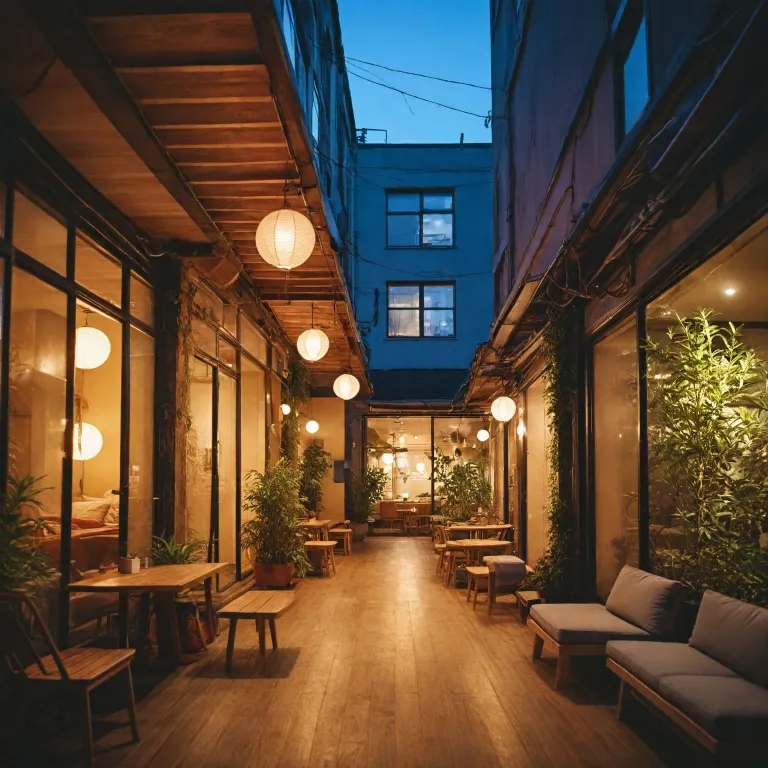
Luxury minded travelers and the new face of hostels in Tokyo
Hostels in Tokyo have evolved into refined spaces that appeal to travelers who once booked only a traditional hotel. In a city where design, efficiency, and hospitality intersect so elegantly, the modern hostel Tokyo scene now blends style with thoughtful comfort for guests who value atmosphere as much as price. Many hostels Tokyo properties sit in central location areas that rival established hotels, giving every guest quick access to major stations and cultural districts.
Across the city, from Shinjuku to Asakusa and Shibuya, hostels offer dorms and private rooms that feel curated rather than basic. Average rates remain attractive, with a dormitory bed around 3000 yen and a private room near 7000 yen, which allows travelers to allocate more of their budget to dining and experiences in Tokyo. This balance of affordability and design is especially appealing to couples or solo guests who want a premium ambience without paying luxury hotel prices.
Properties such as Nui. Hostel & Bar Lounge in Kuramae and Sheena and Ippei in Toshima City show how a hostel can feel intimate yet social. Both integrate traditional Japanese elements like warm wood and tatami with modern amenities such as strong wifi and stylish communal lounges. These examples illustrate how the best hostels now compete with any guest house or compact hotel, while still preserving the relaxed, communal spirit that defines hostel culture in Tokyo.
Choosing between private rooms and dorms in premium hostels Tokyo
One of the most important decisions when booking hostels Tokyo is whether to choose private rooms or dorms. Many travelers who usually book a hotel are surprised by how refined privates dorms can feel in a carefully designed hostel Tokyo property. In premium hostels, dorms often feature custom bunks with privacy curtains, individual reading lights, and secure lockers that help each guest feel both social and protected.
Private rooms in a Tokyo hostel can resemble compact hotel rooms, especially in properties like hotel graphy or graphy nezu, where interiors are minimalist yet warm. These private rooms usually include rooms free from clutter, crisp linens, and sometimes small desks, making them ideal for remote workers or couples. Guests who value quiet nights may prefer these spaces, while still enjoying the shared kitchen, bar, or lounge that defines the hostel experience in this city.
Premium hostels Tokyo also cater to different budgets within the same building, allowing groups to mix dorm beds and private rooms under one reservation. Families might book a guest house style room, while friends choose privates dorms in the same corridor. When you check availability on platforms such as Hostelworld, pay attention to room descriptions, floor plans, and reviews that mention noise levels, as this helps you match your stay to your personal comfort expectations.
Key neighborhoods: Shinjuku, Shibuya, Asakusa and beyond
Location is central to any refined stay, and hostels Tokyo excel by placing travelers close to the city’s most compelling districts. Around Shinjuku, you will find a dense transport hub, neon nightlife, and easy rail links that make a hostel Tokyo base ideal for first time visitors. Many properties here highlight their minute walk distance to major stations, which can significantly reduce daily travel time.
Shibuya offers a different energy, with fashion, youth culture, and late night dining that attract guests who enjoy staying out. Hostels in this area often emphasize social lounges and bars, encouraging guest interaction after a day exploring the city. Meanwhile, Asakusa and nearby Kuramae provide a calmer atmosphere, where traditional temples and riverside walks balance the intensity of central Tokyo.
Staying in Asakusa or Tokyo Asakusa districts can feel particularly atmospheric, especially in a guest house or design forward hostel located on a quiet side street. From here, you can walk to Sensoji, browse small shops, then return to a hostel with free wifi and a relaxed common room. Whether you choose Shinjuku, Shibuya, or Asakusa, always read reviews carefully to understand how each neighborhood’s character will shape your overall stay in this vast city.
Signature premium hostels: from Citan Hostel to Hotel Graphy
Several names recur when travelers discuss the best hostels in Tokyo for a more premium feel. Citan Hostel is frequently praised for its sleek interiors, excellent coffee, and basement bar that attracts both guests and locals from across the city. Hotel Graphy and its sister property Graphy Nezu combine the intimacy of a guest house with the polish of a small design focused hotel, offering private rooms and dorms in a calm residential setting.
GrapeHouse Koenji stands out as a women only option, located in the creative Koenji neighborhood that is known for vintage shops and live music venues. This hostel Tokyo choice appeals to solo female guests who value both safety and a warm, homelike atmosphere. Another notable property, Plat Hostel, offers a contemporary aesthetic and efficient layouts, with some branches positioned within a short minute walk of key train lines.
Hostel Keikyu and Citan Hostel both highlight how a central location can coexist with a relaxed, community driven environment. Many of these hostels Tokyo properties provide free wifi, on site cafés, and multilingual staff who help guests navigate Tokyo popular attractions. When you check availability on Hostelworld or similar platforms, filter by names like hotel graphy, graphy nezu, citan hostel, grapehouse koenji, hostel keikyu, and plat hostel to compare amenities, room types, and verified guest feedback.
How to evaluate quality: reviews, amenities, and subtle luxuries
For travelers used to booking a hotel, evaluating hostels Tokyo requires a slightly different lens that still prioritizes quality. Start by reading multiple reviews, focusing on cleanliness, staff attitude, and the accuracy of photos compared with reality. Pay attention to comments from solo guest reviewers, as they often highlight security, social atmosphere, and how easy it is to meet other guests in the city.
Amenities matter greatly in a premium hostel Tokyo stay, especially if you plan to work or rest between excursions. Free wifi is now standard, but check whether the connection is stable in both private rooms and common areas, and whether there are enough power outlets. Look for mentions of rooms free from noise, blackout curtains, and comfortable mattresses, as these details can elevate a simple bed into a genuinely restorative base.
Many hostels Tokyo now integrate subtle luxuries such as artisanal coffee, curated local art, or small libraries that reflect the neighborhood’s character. Some properties also collaborate with wellness providers, and you can read more about elevated amenities in resources on hostels with spa facilities for a premium wellness experience. When you check availability, compare whether breakfast is free, whether towels are included, and how the hostel describes its central location, as precise wording often signals a more professional, guest focused operation.
Booking strategies for a refined hostel stay in Tokyo
Securing the right hostel Tokyo experience begins long before you arrive in the city. Book in advance, especially during peak seasons, because the best hostels and most popular private rooms sell out quickly. Use platforms like Hostelworld to check availability, filter by central location, and compare properties that offer both privates dorms and dedicated guest house style rooms.
When assessing hostels Tokyo, map how far each property is from key stations in Shinjuku, Shibuya, or Asakusa, and note the exact minute walk. A hostel located within a short walk of a major line can save time and transport costs over several days. Always confirm whether free wifi is available throughout the building, and whether there are additional perks such as laundry facilities or communal kitchens that can reduce daily expenses.
Safety and comfort remain paramount, particularly for solo travelers or first time visitors to Tokyo. Remember that “Yes, Tokyo is one of the world's safest cities, and hostels prioritize security with keycard access, lockers, and staffed receptions.” Finally, balance price with value by considering not only nightly rates but also the overall quality of the stay, including staff support, social opportunities, and how the hostel’s design and atmosphere align with your personal travel style.
Key statistics for premium hostel stays in Tokyo
- Average cost of a dormitory bed in hostels Tokyo is around 3000 yen per night, making the city accessible to budget conscious travelers who still expect quality.
- Average cost of private rooms in a typical Tokyo hostel is approximately 7000 yen per night, offering a hotel like level of privacy at a more approachable rate.
- Hostels have been operating in Tokyo for several decades, with continuous growth and diversification in offerings that now include design focused spaces and enhanced amenities.
Essential questions about staying in hostels Tokyo
Are hostels in Tokyo safe for solo travelers ?
Yes, hostels in Tokyo are widely regarded as safe for solo travelers, supported by the city’s overall low crime rate and strong public order. Properties typically use keycard access, lockers, and staffed receptions to protect guests and their belongings. Many solo travelers choose hostels Tokyo specifically because the communal areas make it easier to meet others while still feeling secure.
Do hostels in Tokyo have private rooms ?
Many hostels in Tokyo offer private rooms alongside dormitory beds, catering to solo guests, couples, and small families. These private rooms often resemble compact hotel spaces, with comfortable beds, desks, and sometimes en suite bathrooms. Booking early is advisable, as private rooms in the best hostels tend to have limited availability and are popular with travelers seeking extra comfort.
What are the best areas in Tokyo to stay in a hostel ?
Top areas for hostels Tokyo include Shibuya, Asakusa, Kuramae, Shinjuku, and Ueno, each offering distinct atmospheres and convenient train access. Shinjuku and Shibuya suit travelers who enjoy nightlife and shopping, while Asakusa and Kuramae appeal to those who prefer a more traditional, relaxed environment. Ueno provides excellent museum access and parkland, making it a balanced choice for guests who want culture, greenery, and efficient transport connections.
Sources : Japan National Tourism Organization, Tokyo Metropolitan Government tourism data, Nomadic Mick travel cost analysis.