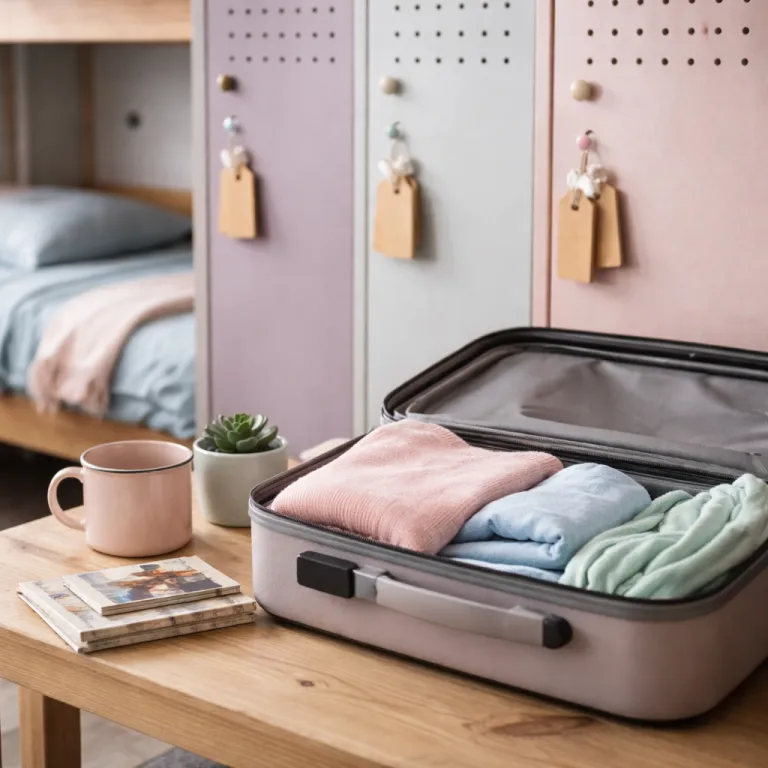
From bed for the night to hostel co-living monthly stay
Luxury and premium hostels are quietly rewriting the rules of urban hospitality. A growing number now position a hostel co-living monthly stay as a refined alternative to anonymous apartment rentals, aimed at travelers who expect hotel-level comfort but want a built community. For business-leisure guests extending a work trip, this shift from transient bed to curated living space changes how you plan both budget and time.
At its core, modern co-living means shared living spaces with private rooms and generous communal areas, designed so people can work, cook, and relax without feeling crowded. One widely used industry definition puts it simply and precisely: “What is co-living? Shared living spaces with private rooms and communal areas.” When hostels adopt this extended-stay model, they move from selling nights to selling a month or more of integrated living, where utilities, housekeeping, and community events are bundled into a single, predictable stay.
For the executive digital nomad, the appeal is obvious and increasingly global. You arrive to a fully furnished private room with a full-size bed, linens and towels neatly folded, and a cowork-ready common space where you can work across time zones without hunting for cafés. Instead of negotiating a security deposit on unfamiliar apartments or homes, you simply book a long-term or short-term package online and step into a co-living space that feels operationally closer to a well-run hotel than to a student dorm.
What a monthly hostel subscription really includes
When a premium hostel sells a hostel co-living monthly stay, you are buying more than a discounted room rate. The typical package in leading co-living spaces includes a private or semi-private room, access to multiple shared spaces, high-speed Wi‑Fi for remote work, weekly cleaning, and all core utilities included in one transparent fee. Many properties now add structured community events, from rooftop aperitivo hours to founder breakfasts, to help residents meet people without forced small talk.
For travelers used to hotels, the difference lies in how the space is programmed rather than in the thread count. A well-designed co-living space will carve out quiet zones for focused work, social lounges for relaxed living, and compact kitchens where people can cook together without queuing for a single hob. In cities with strong design cultures, such as Florence, you can even combine a refined city break with a longer stay by choosing elegant hostels in the historic centre that now experiment with extended co-living-style offers. Examples include concept-driven properties in the Santa Maria Novella and Santo Spirito districts that market hybrid hostel–residence products to remote workers.
Operationally, this model suits both hostel operators and guests who plan to stay beyond a week. Instead of chasing nightly occupancy, managers secure extended-term revenue from digital nomads, students, and young professionals who commit for a month or more, while still keeping a few short-term beds for classic backpackers. For you, that means a quieter, more stable community, where the person at the next desk is likely to be there next week, and where the living space feels more like thoughtfully run homes than a revolving door of weekend parties.
Pricing, value, and how it compares to apartments and Airbnb
Price is where the hostel co-living monthly stay becomes strategically interesting for business-leisure travelers. Public pricing from operators such as Outsite and Selina suggests that the average monthly rent in quality co-living spaces sits around 1,200 USD for a private room in major cities, generally below comparable serviced apartments in the same neighborhoods, especially once you factor in utilities, cowork access, and cleaning. For executives used to expensing hotel nights or Airbnb stays, the all-in nature of a co-living stay can simplify both budgeting and reporting.
Traditional apartment rentals often require a substantial security deposit, local guarantors, and long-term contracts that do not suit a three-month project or a flexible remote work assignment. By contrast, co-living spaces in major hubs across the United States and Europe typically offer one-month minimum terms, with the option to extend your stay or move between properties in the same network without renegotiating a lease. You pay a single full monthly fee that covers Wi‑Fi, energy, water, and often laundry, with linens, towels, and basic kitchenware already in place when you arrive.
Compared with Airbnb, the value equation hinges on consistency and community rather than on pure square metres. A well-run co-living space will guarantee a fully furnished room, ergonomic work space, and a built community of digital nomads and remote workers, while many short-term rentals still treat a desk as an optional extra. If you are planning a refined city-and-beach escape, for example in Mexico, pairing a flexible co-living base with a few nights in a stylish coastal hostel is easier when you use a specialist platform that understands both sides of the market. The booking platform referenced in this guide operates as an editorially curated comparison tool rather than as a direct accommodation provider, and may receive affiliate commissions from some listed partners.
Where the hostel co-living model is strongest now
The most interesting hostel co-living monthly stay ecosystems are emerging in cities that balance lifestyle, connectivity, and cost. Across Eastern Europe, destinations such as Tbilisi and Bansko now host co-living spaces that offer private rooms, coworking, and community events for roughly 400 to 800 USD per month, undercutting many Western European apartment rentals while still delivering reliable Wi‑Fi and comfortable living. Operators like LOKAL Co-Living in Tbilisi and Coworking Bansko in Bulgaria publicly advertise packages in this range, illustrating how regional pricing can support longer stays.
In America, the hostel co-living story is unfolding differently, with a focus on gateway cities and Sun Belt hubs. In San Francisco and Los Angeles, premium hostels have begun to test extended-stay packages that blend dorm-style shared spaces with private rooms for digital nomads who want a central base without committing to a full apartment lease. Further south, San Diego is quietly positioning itself as a softer landing for remote workers, with hostels that offer fully furnished rooms, utilities included, and structured ways to meet people through curated community events and partnerships with local businesses.
Beyond these headline destinations, the model is spreading across the United States as operators respond to a reported 35 percent increase in long-term hostel stays since the early remote work boom, based on internal booking data shared by several multi-city brands. One remote worker described her experience in simple terms: “I booked a month in a co-living hostel to test a new city and ended up staying three months because the community felt like an instant network.” Some properties now run parallel products: classic short-term beds for backpackers, and long-term co-living memberships for professionals who stay a month or more and treat the hostel as home. If you want to track which properties are leaning hardest into this pivot, specialist platforms such as Hostel Stay regularly profile new openings and extended-stay concepts, including in their round-up of notable hostel launches worth booking.
Who monthly hostel co-living really serves, and how to choose well
The first wave of hostel co-living monthly stay products targeted classic digital nomads, but the audience has widened fast. Today you will find corporate remote workers on extended projects, postgraduate students between apartments, and even young families using co-living spaces as soft landing pads when they move to new cities. For hostel operators, this shift from high-turnover nights to extended-term stays brings more predictable revenue and a calmer, more mature community dynamic.
If you are considering this model, start by clarifying your priorities around work, privacy, and social life. Some co-living spaces lean heavily into shared living, with large open kitchens and constant community events, while others prioritise quiet work space and treat social programming as an optional extra. Before you book, research hostel amenities carefully, check lease flexibility, understand pricing structures, and engage with the community online to see whether the tone matches your expectations for both short-term and long-term living.
Quality of life now matters as much as nightlife for many digital nomads, so look beyond the Instagram view. Assess healthcare access, schooling if you travel with family, and connectivity, both in terms of Wi‑Fi speed and flight routes, when you evaluate potential homes or apartments in a new city. The most successful co-living spaces operate less like improvised shared flats and more like professionally managed homes, where every space from the full-size desk to the communal kitchen is designed to help people work efficiently, rest deeply, and meet people on their own terms.
How to evaluate a luxury hostel for a month or more
Choosing a hostel co-living monthly stay at the premium end of the market requires a more forensic eye than booking a weekend dorm. Start with the basics: is the room fully furnished with a proper full-size bed, ergonomic chair, and enough storage for a month of living, not just a few nights of travel? Check whether linens, towels, cleaning, and all utilities are genuinely included as part of the package, or quietly added as fees that erode the value compared with traditional apartment rentals.
Next, interrogate the shared spaces, because this is where a co-living space either supports or sabotages your work and social rhythm. Look for clearly defined zones for focused work, relaxed living, and cooking, so that people can move through their day without competing for the same table or hob at the same time. A strong built community will usually be visible in the calendar of community events, the clarity of house rules, and the way management talks about both digital nomads and longer-term residents in their communications.
Finally, consider the operational culture behind the brand, especially if you plan to stay for an extended term or move between properties in different cities. Hostels that partner with coworking spaces, local businesses, and educational institutions tend to understand the needs of remote workers and students better than those that simply rebrand a dorm as a co-living space. When you find co-living options that tick these boxes, you are not just booking a place to stay; you are choosing a flexible, human-scale alternative to anonymous homes and apartments that can support both your work and your wider life.
FAQ
What is co-living in a hostel context ?
In a hostel context, co-living means you rent a private or semi-private room while sharing kitchens, lounges, and work spaces with other residents for a month or more. As one industry explanation states verbatim: “What is co-living? Shared living spaces with private rooms and communal areas.” The hostel provides fully furnished rooms, utilities, Wi‑Fi, and often community events, so the experience feels closer to a serviced residence than to a traditional dorm.
Why are more hostels offering long term stays ?
Hostels are offering more long-term stays because remote work, student mobility, and housing pressure have changed demand patterns. Operators see that extended-term residents such as digital nomads, students, and young professionals provide steadier revenue than purely short-term backpacker traffic. This business model shift also allows them to foster a more stable community living environment, which appeals to guests who want both social contact and reliable quiet for work.
Are co-living hostels usually more affordable than apartments ?
Co-living hostels are generally more affordable than comparable private apartments once you include all costs. The average monthly rent in quality co-living spaces is around 1,200 USD according to pricing published by several international operators, and that typically covers furniture, utilities, Wi‑Fi, and cleaning, which are often extra in standard apartment rentals. You also avoid large security deposits and long leases, which makes a hostel co-living monthly stay attractive for three- to six-month assignments.
How can I find a reliable hostel co-living monthly stay ?
The most efficient way to find a reliable hostel co-living monthly stay is to use specialist booking platforms and then cross-check each property carefully. Industry guidance is clear: “How do I find a co-living hostel? Search online platforms or contact hostels directly.” Before you book, read recent reviews, confirm what is included in the monthly fee, and ask specific questions about work spaces, community events, and house rules.
What amenities should I expect in a premium hostel co-living space ?
In a premium hostel co-living space you should expect a fully furnished private room, a comfortable full-size bed, quality linens and towels, and strong Wi‑Fi as standard. Most properties also include access to cowork-style work spaces, communal kitchens, laundry facilities, and regular cleaning in the monthly price. Many upscale hostels now add curated community events, from professional networking evenings to local culture walks, to help residents meet people in a relaxed, intentional way.