The flexible hostel common area that works from dawn to midnight
A good hostel common area in 2026 passes a simple flexibility test. The same shared lounge must feel right for a quiet family breakfast at 8.00, a focused coworking session at 14.00, a social aperitivo at 19.00, and a calm reading corner by 23.00. When you book a hostel or hotel level property for your next stay, look closely at how the interior design supports these different rhythms of hostel life.
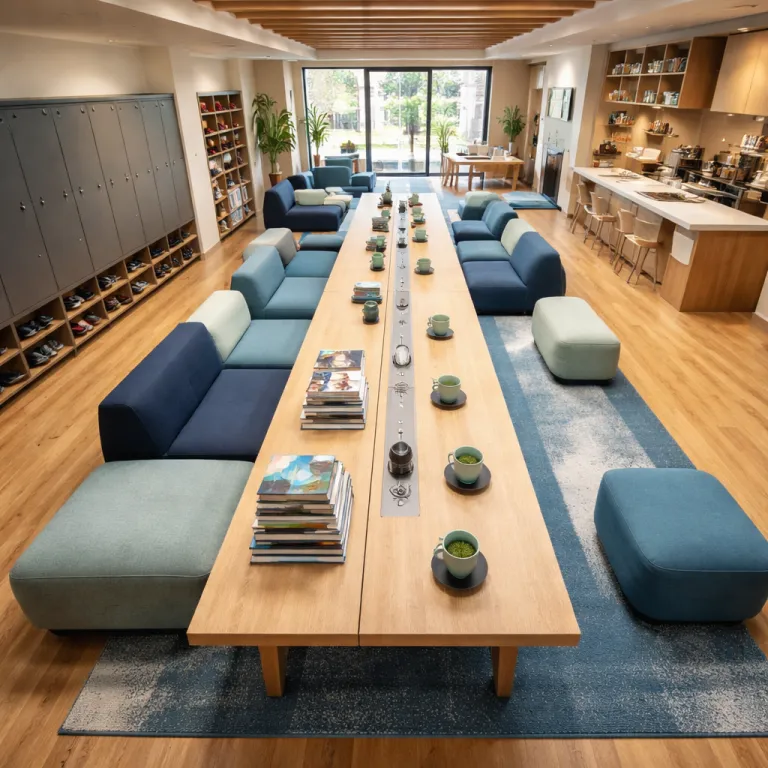
Hostel owners now work with interior designers and design firms to zone one large room into several micro areas without building walls. You will often see a long table near the kitchen for laptops and families, softer sofas in a lounge style corner for relaxed guests, and a slightly raised platform or rug defined zone that becomes the social hub of the hostel common space in the evening. This kind of open plan hostel design lets people choose between lively dorm energy and quieter corners while still feeling part of the same friendly hostel community.
For premium family travellers, the best hostels balance dorm rooms and private rooms around this shared heart. Parents can settle children into a private room or a four bed dorm room with bunk beds, then step back into the common area for an adult conversation within a few metres. When you study photos of a potential room hostel online, check whether the hostel room doors open directly onto a noisy bar or onto a layered common area where sound and light are carefully managed, ideally with softer lighting around 150–200 lux in the evening and background music kept at café level rather than nightclub volume. In floorplan sketches, look for at least one short corridor or lobby pocket between the busiest part of the lounge and the first row of beds.
The seating mix that makes or breaks social energy
Look at the seating mix first when you evaluate any hostel common room. Long communal tables, double sided sofas, individual armchairs and a few bar stools each attract different types of guests and different kinds of hostel life. A design hostel that gets the proportion right will feel naturally social without forcing people into awkward conversations.
Families usually gravitate towards the edges of the common area, where a low sofa or a cluster of armchairs lets children spread out a board game while adults keep an eye on them. Solo travellers and digital nomads prefer the centre of the hostel common space, where a long table with power outlets turns into a coworking zone by day and a shared dinner table by night. When hostels design these rooms, they now use design software and feedback from guests to decide how many seats should face each other for conversation and how many should face outwards for quiet reading, often aiming for at least one accessible power outlet for every two seats at the main table.
Pay attention to how many actual beds the property offers compared with the number of seats in the common room. If a hostel has 80 beds across dorms and private rooms but only 12 seats in the main common area, you can expect a cramped experience at peak times. A friendly hostel that respects guest comfort usually offers at least one seat in the shared space for every two beds, and often more in family focused hostels where people spend longer in the lounge; some well reviewed properties even approach a one to one ratio between beds and seats in the main social area. In practical case studies of successful hostels, designers often start with a target of 40–50 seats for an 80 bed property and then add seasonal overflow seating on terraces or mezzanines.
The kitchen to lounge transition where the cook becomes the host
In the best hostels, the kitchen is not hidden behind a door but flows directly into the hostel common area. This open interior design turns the act of cooking into part of the social programme, especially for families who want children to see and taste local food. A well planned common room will have a clear cooking zone, a dining zone and a soft seating zone, all within one generous area.
During the morning, the kitchen side of the hostel common space works like a café, with parents preparing cereal while staff brew coffee and children drift between tables. By late afternoon, the same room hostel layout supports informal cooking classes, where a staff member or a confident guest leads a small group through a simple recipe. As one experienced hostel manager explains in internal training material, “Common areas work best when guests can move naturally between cooking, eating and talking without feeling they are disturbing anyone.”
By evening, the lights dim slightly over the sofas while the kitchen remains brighter, signalling that families with younger children are welcome to linger at the dining tables. In premium properties, private rooms and dorm rooms are placed just far enough from the common area that a child can fall asleep while adults return for a final drink. A practical rule of thumb is that doors to sleeping areas should be separated from the busiest part of the lounge by at least one short corridor or buffer zone, which helps keep noise and cooking smells away from beds. In many floorplan sketches, this buffer is drawn as a 5–8 metre transition with a change in flooring or lighting to mark the shift from social space to quiet zone.
Staff presence, technology and the invisible welcome
One of the quiet revolutions in hostel common areas is how staff use presence and absence. A common room without an obvious staff desk often feels more relaxed and genuinely welcoming, especially for families who want to settle in without formalities. Yet the best hostels still keep a team member circulating, ready to help with a bed issue, a room question or a travel tip, and to gently enforce quiet hours when the evening becomes too loud for nearby dorms.
Modern hostels design their common areas with integrated technology that stays discreet. You might notice smart lighting that shifts colour temperature between daytime coworking and evening socialising, or acoustic panels that keep sound from the bar away from the reading corner. These experience driven spaces reflect a wider move towards maximalist design and authentic, sustainable interiors, where lush greenery, local art and recycled materials turn one large room into a layered environment.
For families, this invisible hospitality matters as much as the number of beds or the size of the private room. A well trained équipe can adjust music volume, open a side room dorm for a quieter movie night, or suggest that children use a small play area while adults enjoy a glass of wine. If you want to understand how reception and common areas work together, imagine a simple diagram where the check in counter, bar and lounge overlap in a loose triangle, allowing staff to move easily between formal tasks and informal hosting while still keeping an eye on the main social space.
Making space for families without losing the adult evening
Premium family travellers often worry that a lively hostel common area will either overwhelm their children or feel like a playground that adults must endure. The best hostels solve this with subtle zoning, clear but gentle rules and thoughtful interior design that respects every type of guest. When you tour photos of a hostel room or dorm room online, look for evidence that children and adults can share the same common area without friction.
One effective pattern is the early evening family window, usually between 17.00 and 20.00, when the common room lighting is bright, music is low and the menu leans towards simple dishes. During these hours, you will often see children playing near a low shelf of books while parents chat at a nearby table, and solo travellers use the long table for planning the next day of travel. After 20.00, the same hostel common space gradually shifts towards an adult atmosphere, with warmer lighting over the bar, quieter corners for couples and a clear expectation that louder games move to a side room or terrace.
Hostels design these transitions carefully, especially in properties that mix large dorms, smaller dorm rooms and a generous number of private rooms. Families who prefer more control can choose a private room close to the common area for easy access, while those who want silence can book a room dorm or double room on a higher floor. When you compare options on a luxury and premium booking website, filter for hostels design that mentions family facilities, then read between the lines to see how the common area actually works across the full day, including whether quiet hours are clearly stated in the house rules and whether photos show both bright daytime scenes and softer evening lighting.
Three reference common rooms: city, beach and mountain
To understand what a good hostel common area looks like in 2026, it helps to picture three archetypes. In a major city, the ideal common room sits on the first floor above street level, with tall windows, layered lighting and a mix of coworking desks and deep sofas. Here, hostel design leans into urban energy, using local art, bold colours and flexible furniture that can shift from laptop friendly by day to cocktail ready by night.
At the coast, the best hostels open their common areas directly onto a terrace or small garden, blurring the line between interior and exterior rooms. Families return from the beach and move naturally from outdoor showers to a relaxed lounge where sandy feet are accepted and children can nap on a corner sofa. In these properties, bunk beds and dorms sit slightly back from the sea view, while private rooms and double rooms often frame the horizon, leaving the common room as a shared living space for all guests.
In the mountains, a strong common area often replaces the traditional hotel lobby, with a fireplace, long wooden tables and generous storage for gear. After a day of hiking, people of all ages gather here to cook, read and trade trail stories, while staff quietly manage music, lighting and safety. If you want a deeper dive into how such spaces are curated across different regions and price points, consult specialist guides to social stays that analyse hostel room layouts, design ideas and ideas hostel concepts in detail, paying attention to floorplan sketches that show how circulation, storage and seating are combined. When you look at photos or illustrations, check that image captions and alt text describe the common room clearly, for example “mountain hostel lounge with fireplace, long tables and family seating.”
Key figures shaping hostel common areas
- Industry travel reports published around 2023 highlight a strong rise in solo traveller bookings, which pushes hostels to design common areas that feel safe and social for individuals while still welcoming families. Exact percentages vary by region and source, so treat headline numbers as directional rather than absolute.
- Market analyses of the global hostel sector also note steady growth in private hostel rooms, reflecting demand from couples and parents who want private rooms but still value a vibrant common room. When you read any specific report, check the methodology and publication date before relying on precise figures.
- Design trends for hostel common areas in 2026 emphasise maximalism, experience driven spaces and authentic, sustainable interiors, which explains the rise of lush greenery and local art in shared rooms.
- Global hostel owners now follow an annual cycle of trend analysis, design implementation and feedback review, using design software and sustainable materials to refine every common area.
- Guests who choose hostels with modern common spaces, visible sustainability certifications and thoughtful tech amenities report higher satisfaction and stronger loyalty to the brand, especially when reviews mention comfortable seating, good lighting and a clear balance between social buzz and quiet corners.
FAQ about hostel common areas for premium family travellers
What makes a hostel common area suitable for families ?
A family friendly hostel common area offers clear zones for play, work and relaxation, with good sightlines so parents can supervise children easily. It balances dorm rooms and private rooms around the shared space, keeping noise away from sleeping areas. Look for properties where staff mention family hours, kids corners or flexible seating in the room descriptions, and where photos show at least a few low shelves, rugs or benches at child height.
How can I tell if a common room will be too noisy at night ?
Check the floor plan and photos to see how close the common area sits to dorm rooms and private rooms. If beds appear directly off the bar or lounge, expect more noise, especially after 22.00. Reviews that praise quiet rooms and mention clear quiet hours usually signal better acoustic design, with doors that close fully and some form of sound absorbing material such as curtains, bookshelves or wall panels.
Are private rooms in hostels worth the extra cost for families ?
For many families, a private room in a hostel offers hotel level privacy with access to a richer common area and kitchen. The extra cost buys better sleep, easier bedtime routines and a secure base from which children can explore the shared spaces. When private rooms sit close to the common room, parents can step out briefly while children rest, especially if the property offers keycard access and clear policies about who can enter each floor.
What design details should I look for in photos of common areas ?
Look for a mix of seating types, natural light, visible plants and local art, which signal thoughtful interior design. Power outlets near tables, a clear play corner and shelves of books or games show that the hostel common area is meant for lingering, not just passing through. Avoid properties where the common room looks like a corridor or a bare dining hall with identical chairs, as these spaces rarely support relaxed family time or spontaneous conversation.
How do sustainable design choices affect my experience in the common area ?
Sustainable materials, good insulation and energy efficient lighting usually make the common room more comfortable in temperature and sound. Reused timber, recycled textiles and greenery also create a warmer atmosphere than plastic furniture. Hostels that invest in sustainability tend to care more about long term guest comfort, which you will feel every evening you spend in the shared space, from stable temperatures to softer acoustics and calmer lighting.