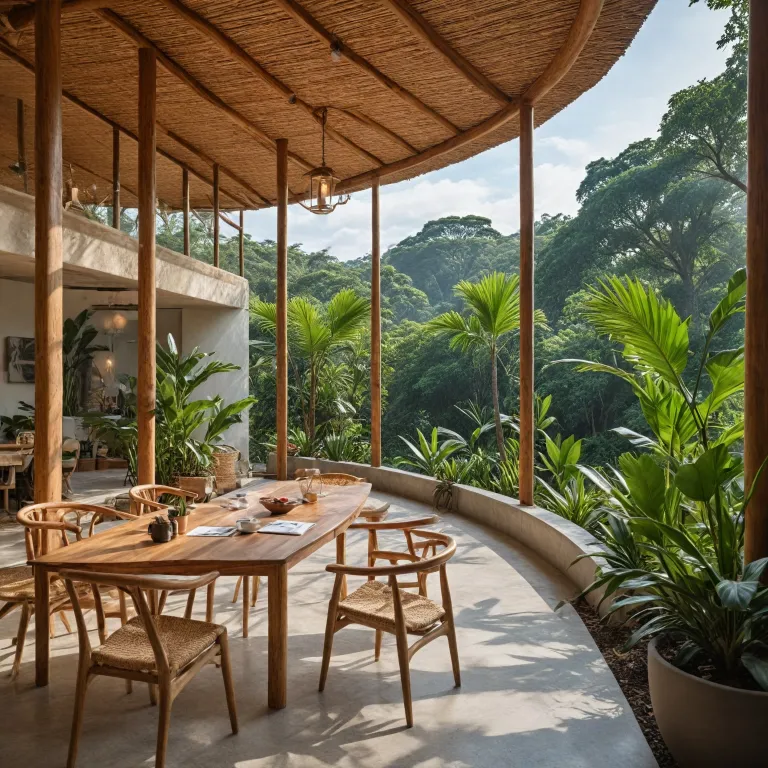
Why hostels in Costa Rica now appeal to luxury minded travelers
Hostels in Costa Rica have evolved far beyond basic bunk beds and shared bathrooms. Today a premium hostel in this lush Central American country can feel closer to a design forward guesthouse, yet it still keeps the social spirit that backpackers love. For travelers who usually book hotels, this new generation of hostel offers an elegant way to stretch the budget without sacrificing comfort.
Across the country, from the capital city of San José to the surf towns on the Pacific coast, many hostel owners now curate stylish dorms and privates with thoughtful amenities. You will find air conditioning, quality mattresses, blackout curtains, and free wifi that actually supports video calls, which is essential for digital nomads. Some of the best hostels also provide free coffee in the morning, a small luxury that feels especially indulgent when enjoyed on a terrace surrounded by tropical gardens.
Prices remain attractive, with an average hostel bed in Costa Rica costing around 18 USD per night, which is significantly lower than most hotels in the same town. This price point allows you to upgrade from large dorms to smaller dorms or even to private rooms while still keeping your overall trip budget under control. For many guests, the real luxury lies in the experience rather than the thread count, and Costa Rica’s relaxed pura vida attitude blends naturally with this premium yet unpretentious style of travel.
Choosing between dorms and privates in premium hostels
When browsing hostels in Costa Rica, the first decision is usually between dorms and privates. Modern hostel dorms can feel surprisingly refined, with sturdy bunks, individual reading lights, and lockers large enough for full backpacks. In higher end properties, each hostel bed may have a privacy curtain, power outlet, and shelf, which creates a cocoon like space even in busy rooms.
Privates in a premium hostel often rival mid range hotel rooms, especially in popular destinations such as Manuel Antonio or near Arenal Volcano. These rooms may include air conditioning, ensuite bathrooms, and small balconies overlooking the jungle or the beach, while still granting access to the same social areas as the dorms. Couples and friends who usually book hotels often appreciate this hybrid model, because they enjoy hotel style comfort but also want the community feeling that hostels provide.
In many hostels Costa Rica wide, you can mix and match dorms and privates across your itinerary, using dorms in the city of San José and upgrading to privates in smaller beach towns. This flexible approach lets you allocate more budget to activities such as a surf camp or guided hikes around Arenal. Whether you choose dorms or privates, always check that free wifi, free coffee, and a guest kitchen are included, because these small details significantly enhance the overall value.
Premium hostel locations from San José to the Pacific beach towns
The most appealing hostels in Costa Rica are often defined as much by their location as by their design. In the capital, hostels San José side tend to cluster near transport hubs, which makes them ideal for a one night stay before or after a flight. A premium hostel in the city can offer quiet rooms, a reliable kitchen, and a calm lounge, giving you a soft landing before heading to the coast.
On the Pacific side, beach towns such as Tamarindo, Santa Teresa, Drake Bay, Manuel Antonio, and Puerto Viejo host some of the best hostels for surf and nature lovers. In Tamarindo, properties like Heart Tamarindo position guests a short minute walk from the main playa, where surf schools operate from sunrise to sunset. Many of these hostels feature a pool, a relaxed bar restaurant, and shaded hammocks, so you can move effortlessly between the waves and your sun lounger.
Inland, around Arenal and the iconic Arenal Volcano, hostels cater to hikers and hot spring enthusiasts rather than pure beach seekers. Here you will find hostels Costa Rica travelers rate highly for volcano views, lush gardens, and easy access to trailheads. Whether you stay in the heart of town or slightly outside, look for a premium hostel that offers free wifi, secure storage, and staff who can arrange excursions, because local expertise often proves more valuable than any glossy brochure.
Facilities that elevate hostels into premium social stays
Facilities are where many hostels in Costa Rica now clearly differentiate themselves from older backpacker style properties. A well equipped kitchen allows guests to prepare fresh fruit, simple meals, and even shared dinners, which helps keep costs low while encouraging conversation. When a hostel combines this with free coffee in the morning and filtered water throughout the day, the sense of thoughtful hospitality becomes obvious.
Outdoor spaces also play a crucial role, especially in warm regions such as Playa Tamarindo, Santa Teresa, and Drake Bay. A shaded pool area, comfortable loungers, and a small bar restaurant create a resort like atmosphere at a fraction of hotel prices. In some surf focused hostels, you will find on site surf camp operations, where instructors guide both beginners and experienced surfers to the best beach breaks along the Costa Rica coast.
Many premium hostels now invest in strong free wifi, coworking corners, and quiet zones, which appeal to remote workers who need more than just a bed. Properties such as Casa Aura show how a hostel can blend calm interiors, reliable air conditioning, and social common areas to attract a more mature crowd. For travelers comparing options, it can be useful to read detailed reviews and even consult curated guides such as this overview of a premium stay in the heart of a European city: premium hostel stays in central locations.
Regional highlights from surf camp towns to rainforest retreats
Costa Rica’s varied regions mean that hostels in Costa Rica can feel very different from one another, even when they share a premium ethos. On the Nicoya Peninsula, Santa Teresa and nearby beach communities attract surfers, yogis, and creative professionals seeking long stays. Here, a premium hostel with dorms and privates near the beach, a pool, and a relaxed bar restaurant becomes a natural hub for both short term backpackers and remote workers.
Further north, Playa Tamarindo and the wider Tamarindo area offer a lively mix of surf camp culture, nightlife, and family friendly activities. Hostels in this town often highlight their minute walk distance to the beach, their free wifi for planning day trips, and their air conditioning for restful sleep after hot days. In Drake Bay on the Osa Peninsula, the focus shifts to wildlife and marine adventures, with hostels organizing boat trips, snorkeling, and rainforest hikes.
On the Caribbean side, Puerto Viejo blends Afro Caribbean culture, reggae rhythms, and laid back pura vida energy. Hostels Costa Rica travelers choose here tend to emphasize bicycles, communal kitchens, and garden lounges rather than pools, because the beach is usually just a short stroll away. Inland, around Arenal and the Arenal Volcano, premium hostels cater to guests who prioritize hot springs, canopy tours, and volcano views, proving that the hostel model adapts gracefully to both beach and rainforest settings.
Practical booking tips for premium hostels in Costa Rica
Booking hostels in Costa Rica through a luxury and premium focused website requires a slightly different mindset than reserving a standard hotel. First, filter by premium hostel or similar quality indicators, then compare dorms and privates based on photos, recent reviews, and amenity lists. Pay close attention to whether free wifi, free coffee, air conditioning, and a guest kitchen are clearly mentioned, because these features significantly influence day to day comfort.
Location details matter, so check how many minute walk you are from the beach, the town center, or key bus stops in San José, Manuel Antonio, or Tamarindo. In smaller places such as Drake Bay or near Arenal, confirm whether the hostel can arrange tours, transfers, and surf camp packages, since local logistics can be complex. When possible, contact hostel staff directly through the booking platform to ask about quiet rooms, pool access hours, and any eco friendly practices they follow.
Safety and value are also essential considerations for backpackers and hotel style travelers alike. Many guests find reassurance in expert guidance such as the statement : “Are hostels in Costa Rica safe? Generally, yes; check reviews for specifics.” By combining this advice with clear price comparisons, you can identify the best hostels for your route, whether you plan to stay in the city, by the beach, or in the shadow of the Arenal Volcano, and enjoy Costa Rica’s relaxed pura vida lifestyle with confidence.
Key statistics about hostels in Costa Rica
- Average price for a hostel bed in Costa Rica is approximately 18 USD per night.
- There are close to 200 hostels operating across Costa Rica’s main regions.
- Hostels run year round, with new properties opening regularly in popular towns.
Essential questions about hostels in Costa Rica
What is the average cost of a hostel in Costa Rica ?
The average cost of a hostel in Costa Rica is approximately 18 USD per night for a bed in shared dorms. Premium hostel options with smaller dorms or privates may cost more, especially in high demand beach towns. However, they still usually remain more affordable than comparable hotels in the same city or resort area.
Are hostels in Costa Rica safe ?
Hostels in Costa Rica are generally considered safe, particularly in well known destinations such as San José, Tamarindo, Manuel Antonio, and Arenal. As with any accommodation, it is wise to read recent guest reviews, check for secure lockers in dorms, and follow local advice from hostel staff. Choosing established properties with consistent positive feedback further enhances peace of mind for both solo travelers and groups.
Do hostels in Costa Rica offer private rooms ?
Many hostels in Costa Rica offer both dorms and private rooms, which makes them attractive to travelers who usually prefer hotels. Privates often include air conditioning, ensuite bathrooms, and access to all shared facilities such as the kitchen, pool, and bar restaurant. This combination allows couples, friends, and families to enjoy the social atmosphere of hostels while maintaining a higher level of privacy and comfort.