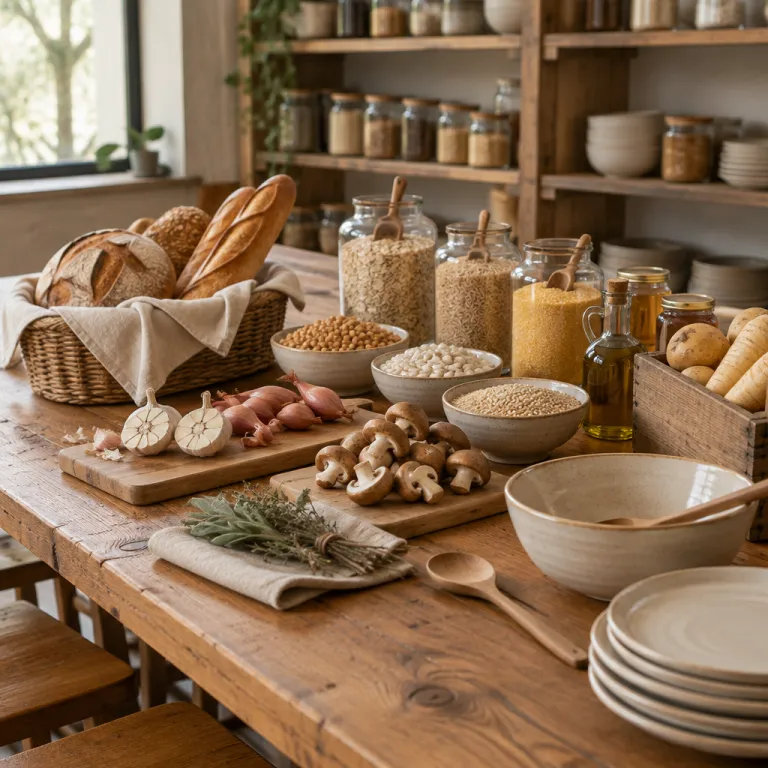
From basic hostel kitchen to curated culinary experience
Luxury-minded travelers now expect more than a shared fridge in a hostel kitchen. In many premium hostels, the hostel food culinary experience has become a defining feature of the destination, shaping how guests remember their stay and how they talk about their travel experiences later. This shift turns the once functional kitchen into a stage for local cuisine, thoughtful cooking and a genuine sense of community.
Where older hostels offered only a few pots, pans and a microwave, newer properties program nightly meals, guided market walks and collaborative cooking sessions that feel closer to a private club than a dorm. At Lisbon Destination Hostel, for example, staff host a weekly “Portuguese table” dinner where guests help prepare caldo verde and grilled sardines before sitting down together. Couples who care about food options can join staff-led visits to nearby markets, choose ingredients together and return to hostel kitchens where salt and pepper, local spices and fresh produce are laid out like a tasting menu. The result is a series of shared meals that feel intimate yet social, especially for travelers who want connection without sacrificing comfort.
This evolution also changes how you evaluate a hostel before booking, because the kitchen now signals ambition. Look for photos that show a clean, well-lit hostel kitchen with proper food safety signage, enough pots and pans for real cooking and guests actually using the space rather than just storing instant noodles. When a property describes its culinary experiences in detail and highlights local street food tours, cheese tastings or chicken grilling nights, you can expect a richer stay than at a place that simply lists “self-catering facilities” in tiny print.
Shared tables, hosted dinners and the new social glue
In food-forward hostels, the most memorable moments rarely happen in the bar; they unfold at long tables where guests sit elbow to elbow over steaming plates. A recurring hosted dinner can do more for fostering a sense of belonging than any pub crawl, especially for couples who prefer conversation to drinking games yet still want to meet like-minded travelers. When the team plans a weekly or even nightly meal, the shared food experience becomes the anchor around which the evening quietly orbits.
These dinners often start earlier in the day, when staff invite travelers to join a walk through local markets or a famous market such as Borough Market in London, using the outing to talk about ingredients and local cuisine. Back at the hostel kitchen, everyone chops vegetables, seasons chicken with local spices and debates how much salt and pepper belongs in the pot, turning simple cooking into one of the most engaging travel experiences of the trip. At The Independente Hostel & Suites in Lisbon, a communal dinner of slow-cooked stews and regional cheese is capped with a quick toast from the chef, and guests regularly mention in reviews how that single meal “made the whole hostel feel like a big dinner party.” Because the cost is usually shared, couples protect their travel budget while still enjoying generous meals that feel far removed from anonymous restaurant dining.
Breakfast has also grown up, moving beyond toast to become part of the wider culinary experience. When you read a property description, pay attention to whether breakfast mentions local street food influences, regional cheese or made-to-order eggs rather than only cereal, then compare that with photos of guests actually eating together. For more detail on what separates a perfunctory buffet from a thoughtful spread, see this guide on what makes a hostel breakfast worth waking up for, then apply the same lens to dinners and late night snacks.
In house cafés, bars and food options that feel genuinely local
Many premium hostels now operate in-house cafés and bars that function as neighborhood hangouts rather than closed guest spaces. When done well, these venues extend the hostel food culinary experience beyond the dorms, drawing in local residents who come for coffee, street food inspired snacks or a glass of wine after work. That mix of guests and locals instantly deepens the sense of community and reassures travelers that the destination is more than a backdrop for Instagram.
The strongest concepts build menus around local cuisine and seasonal ingredients, instead of generic burgers and frozen pizza that could be served anywhere. You might see small plates of grilled chicken with regional herbs, cheese boards sourced from the nearby market or dishes that reinterpret local street classics in a lighter, travel-friendly way. At KEX Hostel in Reykjavík, for instance, the on-site gastropub serves Icelandic lamb, fresh fish and rye bread alongside craft beer, and many guests book specifically because they can sample local flavors without leaving the building. Couples who care about food options can share several plates, taste regional specialties without committing to a long restaurant reservation and still keep an eye on their travel budget.
These cafés often double as informal workspaces during the day, then shift into social hubs at night, which amplifies the experience hostel guests have of the property. Look for signs that locals actually use the space, such as community events, collaborations with nearby markets or chef pop-ups that highlight specific ingredients. If the hostel promotes a regular communal dinner, you can also read this piece on why the best hostel nights start at the communal dinner table and use its criteria to judge whether the advertised meals are likely to feel authentic or merely staged.
Chef partnerships, sourcing and food safety in premium hostels
Some of the most ambitious hostels now collaborate with trained chefs or respected local cooks, turning their kitchens into small but serious culinary labs. These partnerships elevate the hostel food culinary experience from pleasant surprise to primary reason for booking, especially for couples who plan travel around meals and markets. At Generator Paris, for example, the team has worked with local chefs on limited-run menus that spotlight French comfort food with a modern twist. When a property highlights its chef by name and explains how menus change with the seasons, you can safely assume that food is not an afterthought.
Equally important is how these hostels talk about sourcing and food safety, because both shape trust. Look for mentions of daily shopping at the local market, relationships with producers at places like Borough Market or clear policies about handling meat, dairy and street food inspired dishes in shared hostel kitchens. A responsible team will describe how they manage separate storage, cleaning routines and cooking zones so that guests feel comfortable using the same pots, pans and equipment for their own cooking sessions.
For couples who enjoy cooking together, this attention to detail matters as much as the menu itself. A well-organized hostel kitchen with labeled shelves, sharp knives, enough burners and clear food options for different diets encourages guests to experiment with local spices and ingredients without worrying about hygiene. When you read reviews, pay attention to how often travelers mention cleanliness, staff guidance and a fostering sense of respect around shared meals, because these comments reveal as much about the culture of the place as any professional photo.
How to read a food forward hostel before you book
Evaluating a hostel through its food story starts long before you arrive at the destination. Begin with the property website and booking photos, scanning for images of real meals, active hostel kitchens and guests cooking rather than only staged plates on empty tables. If the description leans heavily on the phrase hostel food culinary experience yet shows no kitchen, no markets and no people, treat that as a warning sign.
Next, read how the hostel describes its relationship with the local street scene and nearby markets, because this reveals whether food is integrated into wider travel experiences. Strong properties mention guided walks to the local market, recommendations for street food stalls, tips on where to taste local cheese or chicken specialties and advice on how to balance indulgence with food safety. Reviews from other travelers should echo these details, highlighting specific meals, cooking classes or evenings when a shared pot of stew turned strangers into friends. One couple reviewing a Barcelona hostel, for instance, wrote that “the paella night and market tour were the reason we extended our stay by two days.”
Finally, consider how food fits into your own travel budget and priorities as a couple. If you plan to spend days exploring spas or wellness facilities, you might prefer a property where the kitchen is calm and the main event happens elsewhere, such as the premium stays covered in this guide to hostels with spa facilities for a premium wellness experience. If, however, you want to taste local flavors, cook with like-minded travelers and let meals shape your evenings, choose a hostel where food options, communal tables and the overall culinary experience clearly sit at the heart of the stay.
FAQ
How can I tell if a hostel really prioritizes food before I book ?
Look for detailed descriptions of meals, cooking events and market visits rather than vague mentions of a shared kitchen. Photos should show guests actually cooking, eating and using the hostel kitchen, not just empty counters. Reviews from other travelers often confirm whether the promised culinary experiences genuinely happen and feel well organized.
Are food focused hostels more expensive than regular hostels ?
Rates at food focused hostels can be slightly higher, but shared dinners and cooking sessions often help couples manage their travel budget. Paying a fixed price for a generous communal meal can cost less than separate restaurant dinners. You also gain extra value through social experiences that would be hard to buy elsewhere.
What should I check about food safety in a hostel kitchen ?
Check whether the hostel describes cleaning routines, fridge labeling and separate storage for raw meat and dairy. On arrival, look for clear food safety signage, clean surfaces and well maintained equipment in the hostel kitchens. If staff actively guide guests on using the space, that usually signals a serious approach to hygiene.
Can couples find privacy while joining communal meals in hostels ?
Yes, many premium hostels balance social dinners with private rooms and quieter corners. Couples can join the main table for the meal, then retreat to a lounge or terrace once conversation winds down. Choosing a property with multiple common areas helps you control how social each evening feels.
Do food focused hostels cater to different dietary needs ?
Well run hostels usually offer food options for common dietary preferences such as vegetarian, vegan or gluten free. When booking, read menus carefully and email the property with specific questions about ingredients and preparation. Clear, prompt answers are a strong sign that the team takes both food quality and guest comfort seriously.