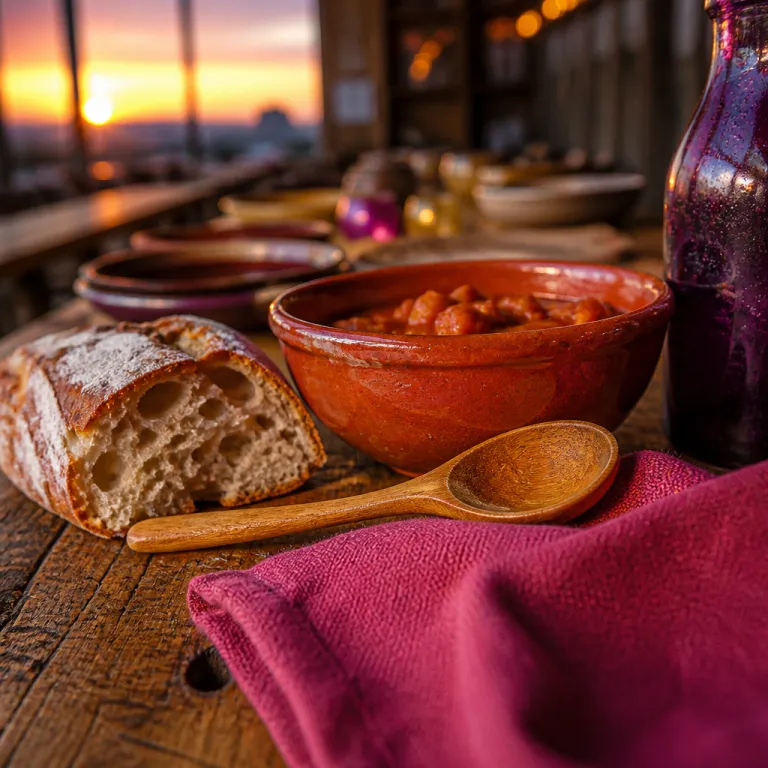
From shared kitchen to curated hostel communal dining experience
A luxury oriented hostel lives or dies by its kitchen layout and shared dining spaces. The most memorable communal meals rarely happen in cramped corners where guests fight for pans and fridge space. They unfold in generous common areas where the counter height invites leaning, the lighting flatters faces, and the aroma of food pulls people in from the dorm room corridor.
Hostels that treat dining as a central feature rather than an afterthought design around flow, not just fire exits. You feel it when you walk in at night and see a long dining table already set, a communal kitchen with labelled shelves instead of chaos, and a discreet sign that explains the few house rules without killing the mood. That is where couples staying in private rooms and solo travelers in shared rooms naturally mix, because the social space has been engineered to help conversations start before the first glass is poured.
Data from major booking platforms such as Hostelworld and Booking.com suggests that roughly four out of five hostels now offer some form of guest kitchen, based on their public amenity filters and category breakdowns. Yet only a smaller share truly elevate the hostel dining concept into a curated experience with structured timelines for preparation, dining, and socializing. When you read reviews that praise the shared table, they rarely mention thread counts in rooms; they talk about the time hostels set aside for cooking together, the way staff work the room like seasoned hosts, and how guests felt free to linger long after dessert.
Design details that turn a hostel into a social dining hub
The difference between a standard hostel and a premium property often starts with the first saucepan you touch. In elevated hostels, the food story begins with sharp knives, heavy pots, and fridges divided into clear sections so people can stay organized without passive aggressive notes. These details sound small, yet they shape whether guests feel confident enough to cook, share, and talk.
Thoughtful hostels do not just provide rooms and a stove; they choreograph a full communal dining ritual around multi functional spaces. A long wooden table doubles as co working area by day and as a candlelit dining room at night, while adjacent common spaces hold sofas where guests drift after dinner to continue conversations. This is where couples on a romantic stay, digital nomads who need to work, and youth hostel regulars all find things in common to talk about, from walking tours to late night jazz bars.
Lighting, acoustics, and circulation matter as much as menu planning in any hostel dining concept that aims for luxury level comfort. You want enough buzz that travelers feel the hostel community is alive, but not so much noise that people must shout across the table. When you evaluate hostels, check the photos of the kitchen and dining room layout, because those images quietly reveal whether the property understands that the best hostel nights begin long before the bar opens. For example, at The Student Hotel Amsterdam, guest reviews frequently highlight the open kitchen, long tables, and relaxed bar area as the heart of the social scene, while at KEX Hostel in Reykjavik, travelers often mention the shared dinners and lively but comfortable dining hall as reasons they extended their stay.
Programming the table: from free breakfast to themed communal dinners
Luxury leaning hostels know that a free breakfast is only the opening act. The real magic happens when staff move beyond a buffet and curate a sequence of food moments throughout the day. Many of the most talked about properties now schedule communal dining events that follow a simple timeline of preparation, shared dining, and unhurried socializing.
Some properties collaborate with local food suppliers and cultural organizations to host market tours followed by cooking classes in the hostel dining room. Others invite a local chef for a residency night, turning the hostel into a temporary restaurant where guests help plate dishes and learn recipes that guide their travel plans the next day. These themed dinners, from regional tapas evenings to plant based feasts, give travelers a reason to stay in rather than search the city for yet another anonymous restaurant.
Guests often ask reception teams a few recurring questions about these events, and the answers are surprisingly consistent across quality hostels. “What is a hostel communal dinner? A shared meal organized by the hostel for guests. Do I need to bring my own food? Usually, the hostel provides the meal or ingredients. Are communal dinners free? Some are free; others may charge a small fee. Can dietary restrictions be accommodated? Many hostels cater to dietary needs; inform them in advance. How do I join a communal dinner? Sign up at the hostel reception or online.” When you read reviews, be sure to look for mentions of these rituals, because they signal a property that understands how to turn strangers into a genuine hostel community and often reveal how couples, solo travelers, and small groups all use the shared table as a low pressure way to meet people.
Why couples, not just solo travelers, thrive at the shared table
There is a persistent myth that the hostel experience is built only for solo backpackers. In reality, couples and small groups often gain the most from a well curated communal dining setup, especially when they are staying in private rooms but still want social contact. The shared table becomes a low pressure way to meet people without sacrificing comfort or privacy.
For a couple planning a city break, the hostel dining table can function as an informal concierge desk. Conversations over food yield hyper local recommendations that no algorithm can match, from the best late night wine bar within 500 metres to the quiet park for a morning run. You might join a group planning walking tours for the next day, or meet another pair who suggest combining plans for a vineyard visit, turning a simple stay into a layered travel story.
Premium hostels do not do social programming by accident; they schedule dinners at consistent times, link them with free or low cost walking tours, and encourage staff to help guests connect across tables. If you hope to find a balance between intimacy and community, check whether the property offers both communal dining and quieter corners nearby. That way, after a lively meal in the main gathering area, you can retreat to your dorm room or private suite knowing that tomorrow night will bring another effortless round of introductions, and you can choose each evening whether to join the hostel community or enjoy a more private dinner for two.
How to choose a premium hostel for unforgettable communal dinners
Selecting the right hostel for a memorable shared dining experience requires reading between the lines of listings. Start by scanning photos for generous common spaces, a clearly defined dining room, and a kitchen that looks like it could host a cooking show rather than a student flat. If the images focus only on beds and ignore the dining area, skip those contenders and keep searching.
Next, dive into guest reviews with a focus on food, social atmosphere, and staff engagement. Look for mentions of communal dining, themed dinners, and how often guests felt free to join in without pressure, because these comments reveal more than any marketing copy. When you find hostels that consistently earn praise for their dining events, their walking tours, and their ability to help people connect, you are usually looking at properties where the hostel experience has been carefully designed rather than improvised.
For travelers who value wellness alongside social energy, pairing a strong dining program with spa level amenities can be ideal, and you can explore more about that premium angle in this guide to an elevated wellness focused stay at hostels with spa facilities on Hostel stay. Finally, remember that the best evenings created around the table are rarely about free drinks or loud music. They are about staff who know your name by the second night, guests who feel comfortable sharing stories, and a hostel community that turns a simple plate of pasta into the highlight of your travel narrative. When you upload photos or browse galleries, look for image alt text and captions that mention communal dining, shared kitchen scenes, and hostel social events, because those details often reflect how seriously the property takes its food culture.
FAQ
What makes a hostel communal dining experience feel truly premium ?
A premium hostel communal dining experience combines thoughtful design, quality equipment, and intentional programming. You should see a well equipped kitchen, a comfortable dining room, and staff who actively host rather than just serve food. When guests mention connection, atmosphere, and local insight in their reviews, you are usually looking at a higher tier property. For better visibility in search results, properties can also add structured data such as FAQ schema markup so these strengths appear clearly to travelers comparing options.
Are communal dinners suitable for couples who prefer privacy ?
Communal dinners work well for couples who want social contact without committing to full time group activities. You can join the table for a few hours, gather local tips, then retreat to your private room when you feel ready. Choosing hostels with both vibrant common spaces and quiet areas ensures you can calibrate your social time each night. Many couples use this balance to enjoy a romantic stay while still tapping into the hostel community when it suits them.
How can I tell from reviews whether a hostel has a strong dining culture ?
Look for repeated mentions of communal dining, themed dinners, and staff who help guests connect. Reviews that highlight shared meals, walking tours linked to dinner, and a welcoming hostel community usually indicate a well developed dining culture. If comments focus only on price and bed quality, the social side may be less of a priority. Pay attention to phrases like “family dinner,” “hostel communal table,” or “shared kitchen events,” which often signal a strong food led social scene.
Do I need to worry about dietary restrictions at hostel dinners ?
Many quality hostels now handle dietary needs with professionalism, especially those positioning themselves as premium. Inform the team when you book or at check in, and repeat it when you sign up for any communal dinner. Properties that take food seriously will usually offer clear options or adapt menus so every guest can participate comfortably. If you have severe allergies, check whether the hostel mentions vegetarian, vegan, or gluten free choices in its description or FAQ before you reserve.
Is a hostel with a great dining scene still a good choice for work trips ?
For many travelers, a hostel with strong communal dining and good co working spaces is ideal for blended work and leisure trips. You can focus during the day in quiet areas, then use dinner as a structured time to socialize and gather local insight. This balance often delivers more value than a conventional hotel where guests rarely talk to one another. When comparing listings, look for photos of laptops on the communal table, mentions of reliable Wi Fi, and reviews that praise both the work environment and the evening social events.