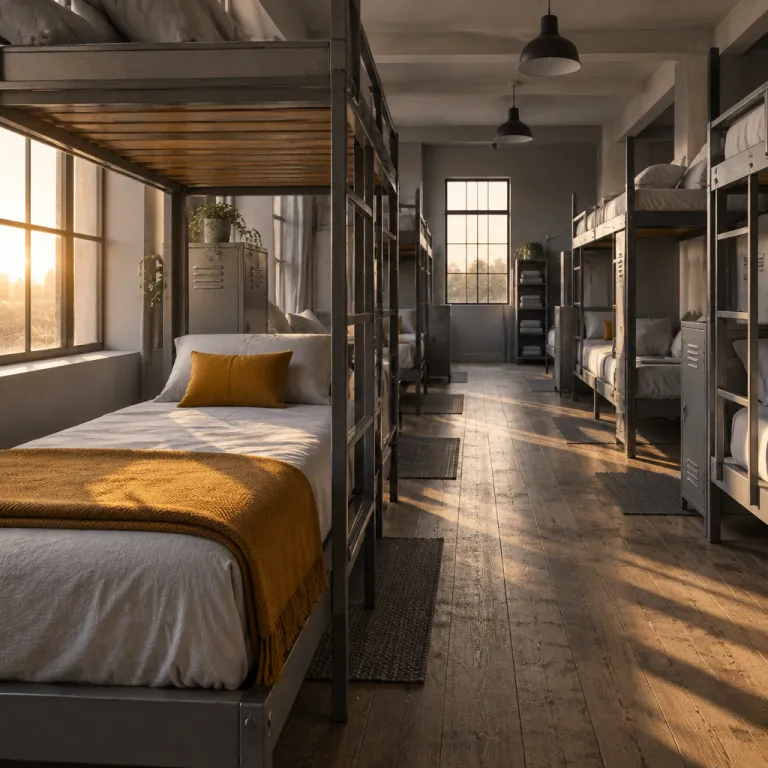
When a hostel sells beds, not rooms, your family map changes
Walk into a premium hostel today and the first thing you notice is that the pricing board talks about each bed, not each room. Behind that simple shift, the hostel is quietly optimising every dorm and every private space so that every bunk or double becomes a revenue unit, and that changes how families, groups and solo travelers actually sleep. For anyone used to booking a whole bedroom in one click, this new inventory logic can feel like the rules of the game moved overnight.
In practical terms, when a property uses bed-based allocation, the system counts every dorm bunk and every double bed as separate inventory, then stitches them together into what looks like coherent rooms for different bookings. That means the same physical hostel dorm might be sold as four single beds to solo travelers one night, then as a dorm private configuration for a family or group booking the next, depending on demand and hostel bed pricing. The Cloudbeds 2023 Hostel Trends Report notes that properties using per-bed allocation can lift occupancy by 8–12% and increase revenue per available bed by up to 15%, as data-driven strategies prioritise selling beds instead of entire rooms, alongside demand for new room typologies and more flexible, hybrid dorm layouts.
For you as a guest, this bed-level logic affects everything from the final price to who ends up in the bunk above your child. A luxury oriented hostel might list several private rooms online, but behind the scenes its channel manager is still optimising the number of beds in each category, deciding whether to sell room inventory as a full private room or as individual dorm beds. Families who want predictable sleep and clear control over bedroom layouts need to read the fine print on each room or bed type, then use filters and messages during booking to make sure the whole space is actually reserved for their group.
The upside for solo travelers, the friction for families and groups
For solo travelers, the bed-by-bed model is usually a win because they can access a high quality hostel dorm at a lower price than a traditional hotel room. They pay only for the single dorm bed they need, while still enjoying generous social space, a refined common kitchen and often a coworking area that rivals many urban offices. When hostels offer premium mattresses, blackout curtains and quiet hours, a carefully chosen dorm bed can deliver better sleep than a budget hotel double room squeezed beside an elevator shaft.
Families and groups, however, feel the tension when they try to secure an entire bedroom in one go and the system keeps nudging them toward scattered beds across several dorms. Because the software is optimised to sell room inventory by bed, it may split a family of five into different rooms if that combination yields a higher overall bed price, even when a larger private room technically exists. In interviews cited by Cloudbeds, several operators admit that automated allocation “will always chase the best bed mix unless we manually override it,” which is efficient for them but confusing for parents who assume they are booking a classic family room.
Before you confirm any hostel booking, check whether the listing explicitly states “entire private room” or whether it quietly lists a number of beds in a shared hostel dorm. On some platforms that feel similar to Airbnb, the difference between a private room and a single bed in a mixed dorm can be a single line of text, yet the impact on your children’s sleep and your sense of privacy is enormous. For complex itineraries or when you need several beds in the same enclosed space, it is often worth contacting the property directly or using a specialist platform that understands family hostel booking needs and can coordinate allocations across multiple hostels.
For a deeper look at how digital tools are reshaping these choices in common areas and lobbies, see the 2022 analysis “The Quietly Digital Hostel Lobby” on Hostel-Stay.net, which shows how technology now mediates everything from check in to late night social space.
Hybrid layouts, flexible dorms and the new premium bed mix
As hostels move to bed-based booking, architects and operators are redesigning floor plans so that one physical room can shift between several identities across a week. A six-bed hostel dorm might be configured as six individual dorm beds for solo travelers on weekdays, then locked off as two three-bed private rooms for a family and a small group on weekends. The same space can even host a couple in a double bed and two friends in single bunks, with sliding partitions creating a dorm private zone that still shares a bathroom with the rest of the floor.
Premium properties now treat each bed level as a design opportunity, adding reading lights, USB ports and privacy screens so that a dorm feels more like a compact cabin than a compromise. In some luxury hostels, the double bed in a corner pod comes with extra storage and a curtain that effectively turns it into a mini private room, while the remaining dorm beds serve budget travelers who value social energy over seclusion. This hybrid approach lets hostels offer a wide range of bed price points inside the same four walls, from elevated beds private for couples to simple bunks that keep the nightly price accessible.
For families, the key is to understand how many dorm beds can be converted into a true bedroom for exclusive use, and whether the property can guarantee that configuration for your dates. Some channel manager systems allow operators to pre-block certain rooms as family friendly private rooms during school holidays, while still selling individual beds at other times to keep occupancy high. To see how software is quietly orchestrating these shifts in real time, explore the 2023 guide “Software for Hostels Redefining Luxury Booking,” which explains how modern tools balance revenue with guest experience.
How to book whole spaces in a bed based world
When a hostel focuses on beds rather than fixed rooms, the smartest strategy for families is to work backwards from the sleep you want, then choose the configuration that matches. Start by deciding whether you need a fully enclosed private room, a cluster of adjacent private rooms or a dedicated hostel dorm that becomes a dorm private space for your group. Once that is clear, you can use filters for private, family or entire room options, then cross check the number of beds listed against the actual bedrooms shown in the photos.
On many premium booking platforms, each listing will show both the total number of rooms and the number of beds in each category, which matters when you are comparing a four-bed room with two bunk beds against a larger space that includes a double bed plus two singles. If the interface feels as opaque as some Airbnb listings, where a “room bed” label might hide a shared corridor or bathroom, pause and read the detailed description before confirming any bookings. For complex group bookings, especially when you need several children on the same bed level and grandparents in a quieter bedroom nearby, use the message function or call the property to lock in a specific layout.
Behind the scenes, a channel manager may be reallocating each dorm bed across different bookings right up until your arrival, so written confirmation that your family has exclusive use of a particular hostel dorm is essential. Ask whether the property can convert a standard dorm into a dorm private arrangement for your dates, and whether that affects the final bed price compared with buying multiple smaller private rooms. If you are travelling with teenagers who want more social space, consider reserving one dedicated dorm for them and a calmer private room for the adults, then using the common areas as your shared living room.
Quick booking checklist for families and groups
- Confirm whether you are reserving an “entire private room” or “bed in shared dorm”.
- Match the number of beds and rooms to your exact group size and ages.
- Ask in writing if a dorm can be set to “dorm private” for your stay.
- Check photos and floor plans for doors, partitions and bathroom access.
- Note which nights on your itinerary involve full bedrooms versus individual beds.
Efficiency for operators, predictability for guests and what to check twice
From the operator’s perspective, the hostel sells beds not rooms model is a rational response to fluctuating demand, because it lets them adjust the mix of dorms and private rooms daily without leaving empty beds. Revenue managers can tweak the bed price for each dorm bed or double bed based on events, seasons and even flight arrivals, while still presenting a clean set of options on each booking channel. For families and groups, the trade off is that the same physical room might be marketed in several ways, so clarity becomes a shared responsibility between guest and property.
Luxury and premium hostels that value trust tend to publish transparent floor plans, clear photos of each bedroom type and explicit labels for beds private versus shared dorm beds. When hostels offer both high end private rooms and classic dorms under one roof, they usually know that family travelers will pay a fair price for predictability, especially when children’s sleep is at stake. Look for properties that cap the number of beds in mixed dorms, enforce quiet hours and provide enough social space outside the rooms so that late night conversations do not migrate back to the bunks.
Before you finalise any bookings, run a quick checklist: does the confirmation state “entire private room” or “bed in shared dorm”; is the total number of rooms reserved correct for your group; and have you requested that any hostel dorm be set as dorm private for your stay. If you are using several hostels across a long itinerary, keep a simple note of which nights involve a full bedroom and which nights involve individual beds, so you can manage expectations with children. In a world where software can sell room inventory by the centimetre of mattress, the most luxurious thing you can buy is still a good night’s sleep in a space that feels entirely yours.
FAQ
What does it mean when a hostel sells beds instead of rooms?
When a hostel sells beds not rooms, each individual bed in a dorm or private room is treated as separate inventory in the booking system. The property can then decide whether to sell those beds one by one to solo travelers or bundle them into a dorm private configuration or full private rooms for families and groups. This approach maximises occupancy but requires guests to read descriptions carefully to understand whether they are reserving a whole bedroom or just a single dorm bed.
How can a family make sure they get a whole room in a hostel?
To secure an entire room, always filter for “entire private room” or “family room” and then confirm that the number of beds matches your group size. Avoid listings that only mention a single bed in a shared hostel dorm, unless you are intentionally booking separate beds for older children or teenagers. For complex group bookings, contact the property directly and ask them to convert a specific dorm into a dorm private setup for your dates, then request written confirmation.
Are bed based hostels cheaper or more expensive for groups?
For solo travelers, paying for just one dorm bed usually lowers the nightly price compared with a traditional hotel room. For families and groups, the cost depends on whether the hostel can bundle several dorm beds into a competitively priced bedroom, or whether you end up paying individual bed price rates that add up quickly. Many premium hostels offer discounted group bookings when you reserve an entire hostel dorm as a dorm private space, so it is worth asking about packages.
What is the difference between a private room and a dorm private configuration?
A classic private room is designed from the start as a self contained space, often with a double bed or double bed plus single layout and sometimes an ensuite bathroom. A dorm private configuration uses a standard hostel dorm, but the property blocks all dorm beds in that room for one booking so no other travelers can sleep there. Both options give you exclusive use of the space, but the dorm private setup may have more basic finishes and shared facilities, which is reflected in the final bed price.
Should I avoid mixed dorms if I travel with children?
Mixed dorms can work for older teenagers who are comfortable in social environments, but many families prefer either a dedicated family private room or a dorm private arrangement. When a hostel sells beds not rooms, a mixed dorm might change its composition nightly as bookings shift, which can feel unpredictable for younger children. If you value control over who shares your space, ask the property to reserve a full dorm for your family or choose hostels that clearly separate family areas from general dorms.