The five minute check in scan for visible sustainability
Step into a sustainable hostel and your first five minutes matter. Those opening moments of your stay will quietly reveal whether sustainability is a design principle or just a line on the website. Train your eye and you will read the space as clearly as a sustainability report.
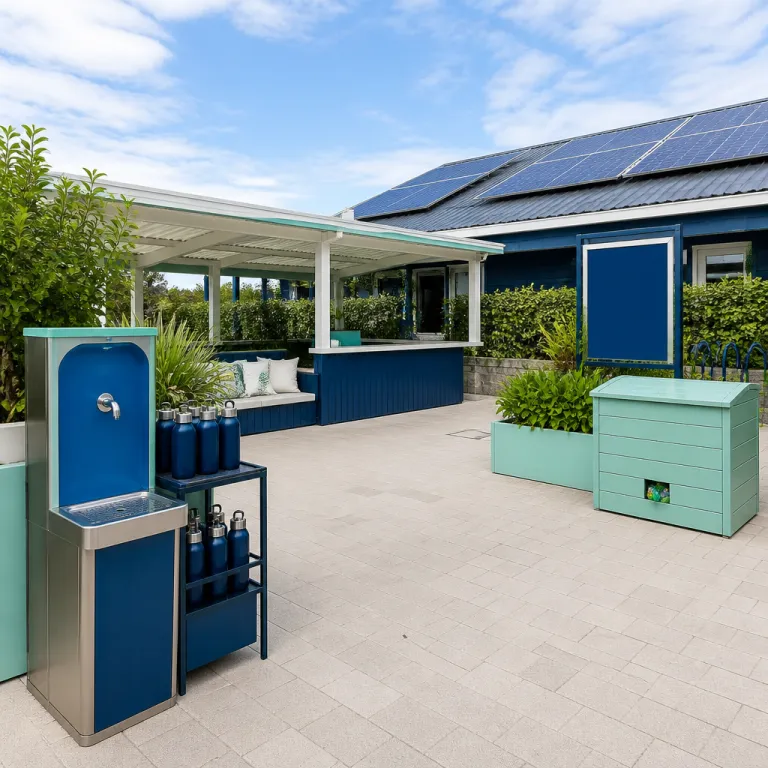
Start with water and waste in the reception zone, because visible hostel practices here signal deeper hostel sustainability behind the scenes. Look for filtered water refill stations near check in or in adjacent common areas, clear signage about water usage in both singular and plural forms, and subtle prompts that frame reduced water waste as a shared project rather than a restriction. If you see only plastic bottles for sale and no mention of water waste or water usage at all, the environmental impact of your stay will probably be higher than the marketing suggests.
Next, scan for waste management that respects how guests actually move through the space. Recycling bins should be close to where people finish drinks, with intuitive icons that make waste reduction easy even after a long day of travel. When a hostel in London or Lisbon separates food waste, mixed recycling, and residual waste in both dorm corridors and common areas, it shows that sustainable practices are embedded in daily hostel practices, not hidden in a back office.
Energy is the third quick indicator, and it is often literally on display. Some of the most eco conscious hostels now place small energy use dashboards near reception, showing real time electricity consumption and the share coming from renewable energy sources. When a sustainable hostel pairs these displays with motion sensitive lighting in corridors and key card controlled power in rooms, guests can feel how their individual stay shapes the overall environmental impact of the property.
Finally, listen to how staff frame these sustainable hostel visible practices during check in. A confident front desk team will mention refill points, explain how to sort waste, and point out eco friendly transport options without sounding like they are delivering a lecture. That light touch sets the tone for a guest experience where sustainability feels like part of the hospitality industry’s service culture, not a guilt trip layered onto your holiday or business travel.
Bathrooms, bedrooms, and common areas as sustainability proof points
Once you have your key card, the private spaces tell a more intimate story about hostel sustainability. Walk into the bathroom and you will quickly see whether the sustainable hotel style promises translate into practical, sustainable hostel visible practices. Refillable dispensers for soap and shampoo, aerated taps that reduce water usage, and clear notes about laundry frequency all help cut water waste without undermining comfort.
In dorms and private rooms, pay attention to textiles and temperature, because both shape the long term environmental impact of your stay. High quality linens that are washed on a stated schedule, rather than daily by default, reduce both energy and water consumption while still meeting premium expectations. When hostels explain this policy on a small bedside card, guests usually accept the trade off, especially business leisure travelers who understand how hotels manage operating costs and waste.
Shared bathrooms and showers are where eco friendly design either shines or fails. Timers on powerful but efficient showers, dual flush toilets, and subtle reminders about water waste can significantly lower total water usage across hundreds of guests each day. If you want to go deeper into how laundry cycles, hot water systems, and food waste interact, look for properties that share a link to in depth analysis such as a hidden carbon cost of a hostel stay style breakdown, which unpacks the full environmental impact of everyday operations.
Common areas are the social heart of hostels, and they should also be the clearest stage for sustainable practices. Look for furniture built from durable, repairable materials rather than disposable decor that will become waste after one design season. When a hostel in London highlights local makers in its lounge, from ceramics to textiles, it supports the local economy while reducing transport emissions associated with imported goods.
Lighting in these shared spaces is another quiet indicator of eco conscious thinking. Warm LED fixtures, daylight sensitive controls, and clear information about renewable energy use show that energy efficiency is part of the design language, not an afterthought. When guests can sit under those lights, sip filtered water, and read a short report on the property’s sustainability goals, the guest experience becomes a live case study in sustainable travel rather than a theoretical promise.
Kitchens as sustainability labs for food, waste, and community
The kitchen is where sustainable hostel visible practices become tactile, because you literally hold them in your hands. A well run hostel kitchen turns sustainability into a daily habit, not a policy document, and guests feel that shift every time they cook. Watch how food waste, energy, and social interaction intersect around the stoves and sinks.
First, look at how the space handles food waste and packaging waste, since these are major pressure points for any hostel. Clear bins for organic scraps, recyclables, and residual waste, all labeled in multiple languages, make waste reduction feel effortless for guests arriving from different countries. When hostels provide a dedicated shelf for food sharing, with labeled boxes for each day, they extend the life of ingredients and reduce the environmental impact of abandoned groceries after a short stay.
Second, examine the tools and dishware, because they reveal whether eco friendly intentions reach the operational level. Real plates, metal cutlery, and glassware signal a commitment to long term use rather than single use convenience that quickly becomes waste. Energy efficient induction hobs, well maintained fridges, and clear guidance on switching off appliances help keep overall energy consumption in line with the property’s sustainability goals.
Local sourcing is another dimension that serious hostel sustainability programs make visible in the kitchen. Chalkboards listing nearby markets, partnerships with local bakeries, or occasional tastings of regional products turn the kitchen into a gateway to the surrounding neighborhood. When guests can explore these local options on foot or via low carbon transport, sustainable travel stops being an abstract concept and becomes part of the daily rhythm of their stay.
Finally, pay attention to how the hostel communicates its standards and certifications in this space. Some properties now display simple infographics explaining their sustainable practices, from renewable energy use to waste management systems, alongside any eco labels they have earned. If you want help decoding these badges, tools such as a sustainability ladder for travelers style framework can clarify which labels reflect rigorous audits and which are closer to pay to play marketing, allowing guests to reward genuinely eco conscious hostels with their bookings.
Energy transparency, transport choices, and the city outside the lobby
Energy use is often the largest part of a hostel’s environmental impact, yet many properties keep it invisible. The most credible sustainable hostel visible practices bring that data into public view, turning kilowatt hours into something guests can actually understand. When you see simple dashboards or monthly charts in the lobby, you know the team is tracking more than just occupancy.
Solar panels on the roof or visible heat pump units in a courtyard are strong physical signals of renewable energy investment. A sustainable hotel that explains how much of its electricity comes from these systems, and how that share has grown over time, invites guests into a long term sustainability journey rather than a one off marketing campaign. Some hostels even pair these updates with notes about how small changes in guest behavior, such as using stairs for one or two floors, contribute to overall energy savings.
Transport is the next frontier where sustainable travel either becomes real or remains a slogan. Look for detailed maps of public transport, bike share stations, and walking routes that connect the hostel to key business districts and cultural sites. When staff proactively suggest low carbon transport options instead of defaulting to ride hailing apps, they align the guest experience with the property’s sustainability narrative.
Location also shapes hostel practices in subtle ways, especially in dense cities like London where space and regulations push operators to be creative. A central hostel that partners with local cafés for breakfast, rather than running an energy intensive buffet, can reduce both food waste and energy use while still offering a premium level of service. These collaborations keep spending within the local community and cut the environmental impact of transporting ingredients across long distances.
For travelers comparing properties across cities and countries, structured insights into hostel sustainability can be invaluable. Analytical pieces that unpack how occupancy, energy use, and waste trends interact, similar to a detailed hostel report on fuller beds and thinner margins, help you read between the lines of marketing claims. Armed with that context, you can choose hostels whose visible sustainable practices are backed by operational discipline rather than surface level gestures.
Staff as sustainability hosts and how to read the fine print
Even the best infrastructure fails without people who know how to use it, which is why staff are central to sustainable hostel visible practices. In high performing properties, every guest facing team member can explain why the compost bin matters as clearly as they can recommend a restaurant. The tone is conversational, never preachy, and that balance is what keeps eco conscious travelers coming back.
Listen for how the team weaves sustainability into everyday interactions, from late night check ins to breakfast chats. A receptionist who casually points out the water refill station, explains how to separate waste, and suggests a scenic tram instead of a taxi is quietly shaping both your environmental impact and your guest experience. Over the course of a multi day stay, those micro conversations can influence dozens of small decisions about water usage, transport, and food choices.
Policies and documentation are the second layer of credibility, especially for business leisure travelers who are used to reading corporate sustainability reports. Look for concise summaries of hostel practices posted in elevators or near common areas, outlining targets for waste reduction, energy efficiency, and water waste control. When a hostel publishes an annual or biannual report on its website, with clear metrics and third party verification, it signals a maturity level that many larger hotels still struggle to reach.
Certifications can help, but only when they are backed by transparent criteria and regular audits. In the hostel segment of the hospitality industry, some eco labels focus on measurable outcomes such as renewable energy share, waste management performance, and community engagement, while others rely more on self reporting. As a traveler, you should treat these badges as starting points, then cross check them against what you can actually see and feel during your stay.
Ultimately, the most persuasive evidence of hostel sustainability is the way sustainable practices shape your own behavior without friction. When you instinctively sort your waste, refill your bottle, choose low carbon transport, and linger in common areas that feel both budget friendly and thoughtfully designed, you are experiencing sustainability as hospitality rather than obligation. That is the standard luxury and premium hostels should aim for, and it is the benchmark you can quietly apply every time you check in.
FAQ
How can I quickly tell if a hostel is genuinely sustainable ?
Use the first five minutes after check in to scan for visible sustainable hostel practices such as water refill stations, clearly labeled recycling and food waste bins, and motion sensitive lighting. Check whether staff mention eco friendly options for transport and explain how to reduce water usage and waste without sounding scripted. If these elements are missing or feel purely decorative, the property’s sustainability claims may be stronger online than on the ground.
Do sustainable hostels always cost more than regular hostels ?
Not necessarily, because many sustainable hostel practices such as energy efficiency, smart water management, and waste reduction lower operating costs over the long term. Some properties reinvest these savings into design and service, positioning themselves as premium yet still budget friendly compared with traditional hotels. When you compare prices, consider what is included in the guest experience, from renewable energy use to high quality shared spaces.
What should I look for in a hostel kitchen to assess sustainability ?
Focus on how the kitchen handles food waste, energy, and shared resources. Clear separation of organic waste, recyclables, and residual waste, along with food sharing shelves labeled by day, shows that hostel practices support both sustainability and community. Durable dishware, efficient appliances, and information about local markets or producers indicate a thoughtful approach to both environmental impact and local engagement.
Are eco labels and certifications reliable when choosing a hostel ?
Some certifications in the hospitality industry are rigorous, with audits that track renewable energy use, water waste reduction, and community impact, while others rely heavily on self reporting. Treat any eco label as a useful signal, then verify it by checking whether the hostel’s visible operations match the claims. If you see strong waste management systems, transparent energy information, and engaged staff, the certification is more likely to reflect real performance.
How can business travelers support sustainable hostel practices during a short stay ?
Business leisure guests can have an outsized influence by choosing hostels that make sustainability visible and by using the systems provided. Simple actions such as refilling bottles, sorting waste correctly, opting for public transport, and accepting reduced laundry frequency all lower the environmental impact of a short stay. When travelers also share constructive feedback about sustainable practices in reviews, they encourage more hostels to invest in meaningful improvements.