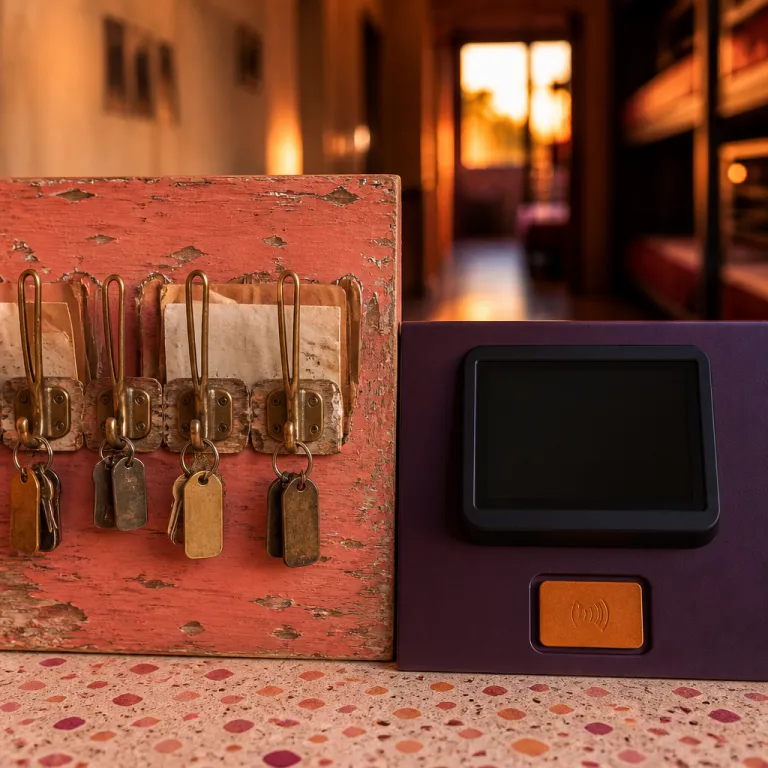
The first five minutes: what your check in really tells you
You feel the difference before you even drop your pack. A seamless hostel technology guest experience starts at the threshold, where a clear online check flow, smart tools and calm staff signal that the guest journey has been designed with intent. When you are handed a pen and a paper form at the front desk, you already know your stay will cost you time as well as money.
In well run hotels and hostels, pre arrival emails or guest messaging via mobile apps guide the hotel guest through digital check options, mobile check links and clear instructions for late night check ins. These systems use hotel technology to collect essential guest data once, then reuse it to speed every later service, from luggage tags to bar tabs and even room access. When the process works in real time, guests move from street to shower in minutes and guest satisfaction quietly rises before anyone has said a word.
Luxury leaning hostels now use platforms such as Canary and Duve to orchestrate this first contact, blending digital efficiency with a human welcome at the front desk. Staff see guest preferences and special notes on screen, so they can offer personalized tips instead of asking the same questions twice during check in. The result is a guest experience that feels curated rather than processed, and it sets the tone for every interaction during your stay.
The invisible backbone: systems you never see but always feel
Behind the barista pulling espresso and the receptionist answering guest communication, a stack of quiet systems shapes your experience. Property management software, channel managers and revenue tools decide which room you receive, how much you pay and whether direct bookings are even available on the hostel’s own site. When these systems are fragmented, staff spend their time reconciling spreadsheets instead of engaging with guests in the lounge.
Smart hostel technology now links booking engines, guest messaging platforms and maintenance logs so that hotel technology becomes an ally rather than an obstacle. A broken reading light in one room can trigger a real time task for the maintenance équipe, while guest data from previous stays informs which bunk or private room you are offered. This connected approach underpins the kind of hostel technology guest experience described in analyses of modern layouts, such as the way a new listing design reshapes how we shop for hostels on curated booking platforms.
For travelers, the benefit is subtle but powerful ; fewer errors, faster responses and staff who are not buried in manual check processes. When guest experiences are supported by integrated digital systems, front desk teams can focus on guest engagement, local storytelling and genuine service. You may never see the dashboards, but you feel their impact every time a simple request is handled in seconds instead of hours.
Sleep, light and air: when technology actually improves your rest
The real test of any stay is how well you sleep. In premium hostels, technology is moving beyond flashy apps to focus on the fundamentals of rest, comfort and quiet guest experiences. The best properties now treat the dorm as carefully as a hotel room, using smart systems to manage light, temperature and noise.
AI driven sensors for air quality, temperature and occupancy are entering hospitality, while circadian lighting systems shift color temperature automatically to support natural sleep cycles. In practice, this means a shared room that cools slightly at night, dims gently rather than snapping to black and uses subtle noise masking instead of a roaring fan. These upgrades may not look dramatic on a booking page, but they are exactly what a fair hostel price should buy in terms of comfort, as explored in guides to what your nightly rate really includes.
For the individual guest, the hostel technology guest experience becomes less about gadgets and more about how rested you feel at breakfast. When hotels and hostels use guest data and guest preferences to fine tune dorm settings, they can offer personalized options such as quiet zones, cooler rooms or darker bunks. Over time, this attention to detail feeds back into guest satisfaction scores and repeat direct bookings, proving that the right technology can support both comfort and revenue.
The human cost of bad tech: when systems get in the way
You notice the strain when staff are fighting their own tools. A clunky digital check interface or unreliable mobile check system forces the front desk to re enter guest data, print extra forms and double check every payment. While they wrestle with screens, guests wait in line, and the easy conversation that defines a great hostel stay quietly disappears.
In some hotels and hostels, messaging platforms are bolted on without training, so guest communication becomes scattered between email, social media and half used apps. Staff lose time searching for pre arrival notes or post stay feedback, and guest engagement suffers because no one is sure which channel to monitor. The guest journey feels disjointed ; you might receive three automated guest messaging prompts but no real time answer when you ask about a late check in.
There is also a financial cost when hotel technology is poorly chosen or badly integrated, because revenue teams cannot trust their own reports. Without clean guest data, it is harder to understand guest preferences, segment hotel guest profiles or encourage direct bookings with targeted offers. For travelers, the symptom is simple ; a hostel that feels oddly stressed, where staff are always apologizing for the system instead of using technology to elevate the guest experience.
Finding the sweet spot: seamless systems, real people
The most memorable hostels strike a balance between automation and warmth. They use mobile tools, online check flows and digital messaging to handle the repetitive parts of the stay, then invest the saved time back into human service. You feel it when the front desk agent looks up from the screen, remembers your name and sketches a handwritten map to the night market.
On the best luxury leaning booking platforms for hostels, filters now highlight amenities such as mobile check options, guest messaging channels and flexible check ins, but the real value lies in how each property uses these features. Articles on time zone friendly hostels with coworking spaces, such as those that keep their desks open late for remote workers on specialist review sites, show how technology can extend the guest journey beyond the bed. When staff are freed from manual tasks, they can host events, lead city walks and offer personalized recommendations that turn a simple room into a rich experience.
For travelers choosing between hotels and hostels, the practical question is how each property uses technology to support guest satisfaction rather than to replace contact. Look for signs of thoughtful guest communication, such as clear pre arrival information, responsive guest messaging in real time and considerate post stay follow ups that ask about guest experiences without spamming. When you sense that systems are working quietly in the background and people are fully present in the foreground, you have found the kind of hostel technology guest experience that feels anything but stuck in 2005.
FAQ
How can I tell if a hostel uses technology well before I book ?
Check whether the hostel offers clear information about online check options, mobile check in and guest messaging on its booking page. Properties that mention integrated hotel technology, real time guest communication and personalized services usually have the systems to back those promises. Reviews that praise efficient check ins and attentive staff are another strong indicator of a seamless guest journey.
Does self service check in mean there is no real front desk anymore ?
Not necessarily ; in many premium hostels, self service kiosks and digital check tools handle routine tasks while a staffed front desk remains available for questions. The best setups let guests choose between quick self service and a human welcome. If reviews mention unstaffed lobbies or difficulty getting help, that suggests automation has gone too far.
What technology actually improves sleep quality in hostels ?
Systems that manage light, temperature and noise have the most impact on sleep. Circadian aware lighting, smart HVAC controls in each room and subtle noise masking can make shared spaces feel closer to a quiet hotel room. When combined with clear guest preferences, such as quiet zones or dark dorms, these tools significantly improve guest experiences.
Why do some tech heavy hostels still feel chaotic ?
Chaos usually comes from fragmented systems rather than from technology itself. If booking tools, guest messaging platforms and revenue software do not share guest data, staff must re enter information and double check every step. That leaves less time for guest engagement and creates the sense that the hostel is always catching up.
Are direct bookings better for the guest in tech forward hostels ?
Direct bookings often unlock the full potential of a hostel’s technology stack. When you book directly, the property usually receives richer guest data, can honor guest preferences more accurately and may offer personalized pre arrival communication. This often leads to smoother check ins, better room allocation and more tailored post stay follow ups.