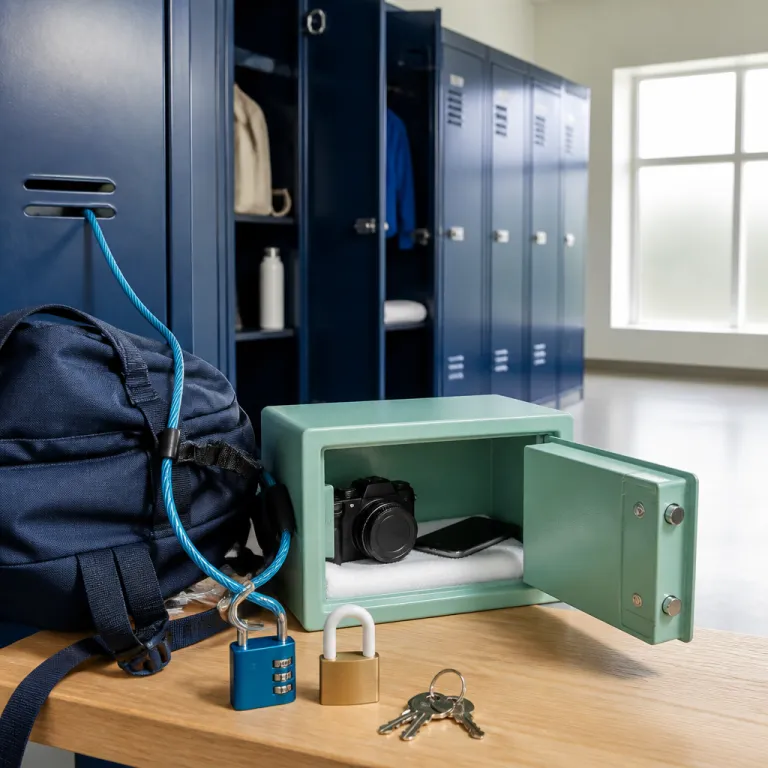
Why luxury minded travelers should care about hostel locker security
Hostel locker security tips matter even when you usually book suites. A premium hostel stay can offer a refined travel experience, but only if the security around lockers and safes feels as considered as the design of the bar. In a shared room you trade privacy for atmosphere, so the way you lock and store things becomes part of the overall experience.
Quality hostel lockers now sit at the center of any serious security hostel strategy, especially in properties that position themselves as luxury or premium. Many of the best hostels in Europe, such as Generator Berlin Mitte or The Student Hotel in Amsterdam, combine electronic locks on the room door with individual lockers that open using the same key card, which keeps the system simple for people who do not want a pocket full of keys. When you compare hostel stays across different cities, the ones that invest in this hardware tend to have calmer dorm energy and fewer stories of petty theft reported in guest reviews.
Security in a shared bed space is less about fear and more about control. You cannot manage what other people will do, but you can decide how your things will be stored, locked, and labeled. Guidance from shared accommodation specialists and hostel associations often reminds guests that “Use personal safes, lock doors, and label items” because these small routines remove most of the easy opportunities for theft or mix ups.
Reading the room: how to assess a hostel’s security culture fast
The first five minutes in any hostel will tell you how seriously the team takes security. Watch how reception explains the locks, the lockers, and the rules for guests and visitors, because this script reveals whether safety is a rehearsed ritual or an afterthought. In premium hostels where couples happily book private rooms next to dorm spaces, staff usually walk you through the best way to use hostel lockers before handing over the key card.
Look around the lobby and corridor for subtle cues that the security hostel culture is strong. You want to see card access on every room, visible CCTV near the dorm entrances, and clear signage about locking doors and reporting suspicious people, which shows that the system will work even at busy times. When you compare different hostels you have stayed in, note whether reception checks names against reservations or simply waves people through, because that tiny moment often predicts how often theft or bag mix ups happen.
Digital booking tools now help you filter for the level of security that matches your comfort. Hostelworld’s annual trend reports and platform data highlight lockers, women only dorm options, and 24 hour reception as core decision factors, which is especially useful for couples planning a longer work hostel stay. When you read reviews, pay attention to how many times hostel guests mention feeling safe in the room at night, not just how comfortable the bed was.
Locker types, sizes, and what actually fits inside
Not all hostel lockers are created equal, and luxury leaning travelers should know the difference. Older city hostels sometimes offer small cubby lockers that fit only the things you absolutely cannot lose, while newer premium properties build full height lockers that swallow a 70 litre backpack with room for shoes. Under bed drawers are common in design focused dorm spaces, but they only work well when every drawer has a solid lock and clear number.
Before you travel, check photos to see whether the lockers will fit your luggage or only your laptop and passport. In many of the best hostels in Europe, each bed in the dorm has a dedicated locker underneath or beside it, which keeps people from wandering across the room to reach their things at night. If you plan to work hostel days into your trip, make sure there is a second smaller locker near the common area so you do not leave electronics open on a table while you refill your coffee.
Premium booking platforms now highlight whether locks are provided or you must bring your own, and that detail matters. Combination locks usually work better for frequent travelers because there is no key to lose, but a small key lock can be more discreet on a slim laptop cable. For couples who have stayed in hostels many times, the ideal setup is one large locker for shared gear and two smaller lockers for personal items, which keeps the experience smooth even in a busy mixed dorm.
Padlocks, safes, and the hardware that actually protects your gear
The most effective hostel locker security tips start with one simple rule, always bring your own lock. Relying on the cheap locks sold at reception will work in a pinch, but they are rarely the best option for someone carrying cameras, laptops, and passports. A solid combination lock with a hardened steel shackle around 6 to 7 millimetres thick, such as a Master Lock 1500T or a TSA approved 4 digit model, fits most hostel lockers worldwide and removes the risk of losing a tiny key in a crowded room.
Think in layers when you plan how your security will work during the trip. A portable safe or lockable packing cube inside the locker adds a second barrier, which is useful in older hostels where the metal doors feel flimsy or do not close fully. Many couples who have stayed in hostels across several continents now travel with a lightweight cable lock, threading it through bag handles and the locker frame so that even if someone manages to open the door, moving the whole bag becomes difficult.
High end hostels increasingly install in room safes for private rooms and premium dorms, mirroring hotel standards. Use these for passports, spare cards, and the small things that would ruin the trip if lost, while keeping day to day cash in a slim money belt. Remember that hardware only does part of the work, because the way people behave around the bed, the dorm, and the common areas often decides whether opportunistic theft ever happens.
Documents, electronics, and the small things you really cannot afford to lose
Passports, cards, and phones are the three things that truly matter in a shared space. The smartest hostel locker security tips focus on how you split these items between your body, your day bag, and your locker so that a single mistake never wipes out everything. A simple rule works well for most people, documents and backup cards stay locked, daily cash and one card stay with you, and the phone never charges unattended on the bed.
Digital backups turn an annoying loss into a manageable one. Before you travel, store scans of passports, visas, and insurance documents in an encrypted cloud folder, then keep printed copies in a separate part of your bag so that even if theft hits your main locker, you still have enough information to work with authorities. When you plug in electronics in the dorm, use a short extension cable that lets you keep the device inside the locker while the charger sits outside, which is one of the best low effort ways to keep phones and tablets out of sight.
Laptops deserve special attention, especially for guests planning to work hostel days into a longer trip. Choose hostels where the common room feels like a real coworking lounge, not just a noisy bar with patchy Wi Fi, because you will be less tempted to leave your computer open while you step away. When you head to the shower or kitchen, lock the screen, close the lid, and secure the device in your locker, even if you have stayed in this hostel several times before and feel that you know everyone.
Habits that keep shared spaces relaxed, not paranoid
The most elegant security system in any hostel is still common sense. Luxury oriented couples sometimes arrive with a mental list of worst case scenarios, but in reality most theft in shared rooms is opportunistic and preventable with a few calm habits. You do not need to sleep with your passport under the pillow, you just need to lock the locker every single time you step away from the bed.
Start by keeping valuables out of sight and routine things within easy reach. Do not spread phones, cameras, and wallets across the room, because the more surfaces you use, the more chances you give a distracted stranger to pick something up by mistake. Use packing cubes or small pouches inside the locker so that when you open the door you can grab what you need quickly, then close and lock it again before you get distracted by conversation.
Shared living always carries some risk, whether you are in a student dorm, a long stay hostel, or a chic coliving space. Industry summaries on shared accommodations from European insurance providers and hostel booking platforms suggest that many incidents come from simple lapses, unlocked doors, valuables left on beds, and guests assuming that friendly roommates remove the need for basic precautions. The same logic applies to sustainable habits, and if you care about how your shower impacts the planet, you can read more in this guide to what a hostel shower really costs the environment, then apply the same thoughtful mindset to how you use lockers and safes.
Key figures every shared space guest should know
- In shared accommodations, reported incidents frequently involve unsecured belongings, with summaries from European hostel insurance claims indicating that theft often occurs in shared spaces where doors or lockers were left unlocked, highlighting how much simple habits influence outcomes.
- Industry reviews of quality hostels on platforms such as Hostelworld and Booking.com show that properties with individual hostel lockers, card access to every room, and visible CCTV consistently receive higher guest security ratings than those relying only on traditional keys and open storage.
- Travel platforms report that filters for lockers, women only dorms, and 24 hour reception are among the most frequently used safety related options, especially for couples and solo travelers planning multi country trips across Europe.
- Security specialists in shared living environments consistently recommend combining personal safes, sturdy padlocks, and clear labeling of items to reduce misunderstandings between roommates and guests in busy dorm settings.
FAQ about securing your things in hostels and shared spaces
How can I secure my belongings in a shared space?
Use personal safes, lock doors, and label items. Combine a strong padlock on your locker with a small portable safe or lockable pouch for passports and cards, then keep everyday cash and one card on your person. Make locking the room and your locker a reflex every time you leave the bed, even for a short trip to the bathroom.
Are personal safes effective in shared accommodations?
Yes, they provide secure storage for valuables. A fixed in room safe or a high quality portable safe, such as a Pacsafe Travelsafe or similar anti theft pouch, adds a second barrier beyond the standard locker, which is especially useful in older hostels where the metal doors feel thin or do not close properly. For the best protection, place the safe inside your locker and secure it with a cable to the frame so that it cannot be removed easily.
Should I trust my roommates with my valuables?
It is best to secure valuables regardless of trust levels. Most people you meet in a hostel will be honest, but shared spaces see a constant flow of guests, friends of guests, and staff, so you can never track who passes through the room. Locking your things protects you from both deliberate theft and simple mix ups when someone mistakes your black charger or adapter for theirs.
What type of lock should I bring for hostel lockers?
A medium sized combination padlock usually works best for hostel lockers worldwide. Choose one with a hardened shackle that fits through both locker doors and zipper pulls, then set a code you can remember without writing it down. If you carry a laptop or camera bag, add a lightweight cable lock so you can secure the bag to the locker frame or bed when needed.
What should I keep with me instead of in the locker?
Keep a small amount of cash, one payment card, and your phone on you whenever you leave the room. Everything else, including passports, backup cards, and spare electronics, should stay locked in the locker or safe so that a single pickpocket or lost day bag does not derail the trip. This balance lets you move comfortably through the hostel without feeling weighed down by every valuable you own.