Reading the lobby: what check-in says about a modern hostel
Walk into a hostel and watch how the first check-in unfolds. The choreography between the front desk équipe, hostel management software and guests’ phones quietly reveals how the property thinks about time, privacy and service. In a modern hostel that takes hostel check-in technology seriously, those first five minutes tell you almost everything about the stay ahead.
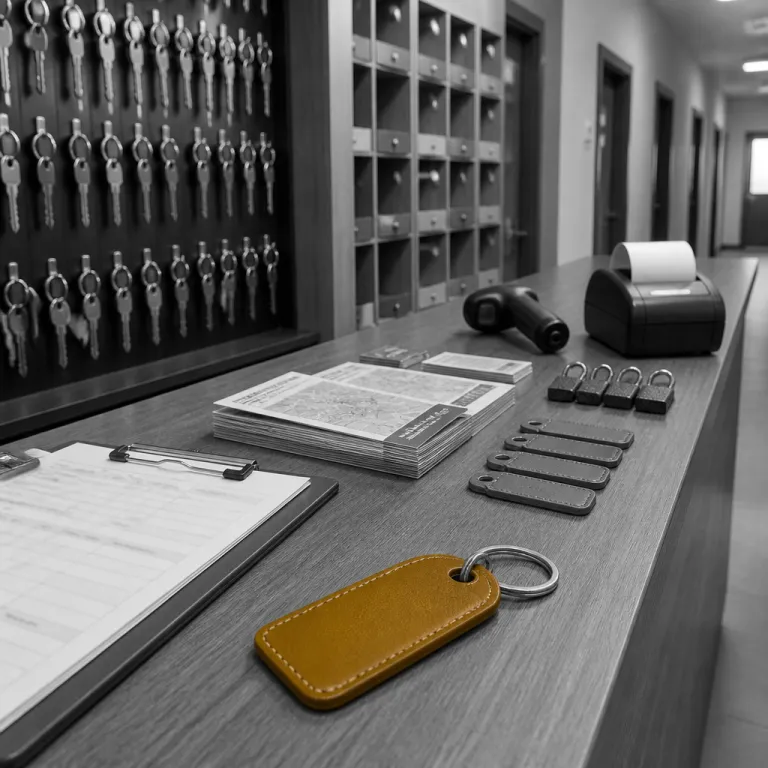
Luxury-leaning hostels now treat the check-in moment as a design brief. Some properties lead with a sculptural self-service kiosk beside a discreet front desk, others with a lounge-style table where staff handle tablets and guests handle espresso. Either way, the way they manage hostel arrivals shows whether they prioritise speed, conversation, or a careful balance of both in their shared spaces.
Behind the scenes, a cloud-based property management system connects booking management, revenue management and hostel operations in real time. When this system is well configured, staff can see bed and room availability, late arrivals and direct bookings at a glance. In internal benchmarks from leading platforms, average check-in times of around three to five minutes are common when pre-arrival data is complete, and that level of fluency lets the équipe keep common areas calm, assign the right room or bunk and protect safety without ever breaking eye contact with the guest.
Three check-in models and what they signal about priorities
Most premium hostels now fall into three clear check-in archetypes. The first is the self-service lobby, where digital check-in kiosks and key-card dispensers handle the basics while staff float through common areas as hosts rather than clerks. In one Prague property using this model, management reports that more than 60% of guests now complete registration at kiosks, which frees staff to spend peak hours guiding arrivals toward the right shared spaces instead of typing.
The second is the app-led model, where you review hostel details, upload ID and even choose your room from your phone before you land. Operators using mobile pre check-in tools from systems such as Mews or Cloudbeds often see shorter queues at busy times and a higher share of repeat guests opting in to digital keys, because they can go straight to their room or bunk after a long journey.
The third remains the classic front desk welcome, upgraded with a modern hostel management system rather than a paper ledger. Here, hostel management teams use cloud tools to pre-assign beds and rooms, pre-authorise payments and prepare key cards before you arrive. Done well, this human-first model feels like a private members’ club, especially for business travellers extending a trip who value a quick but warm late check-in after an evening flight.
Each model has trade-offs, and your preferences matter. Self-service suits guests who want to move from lobby to room and then to shared spaces with minimal friction, while app-based flows reward planners who like to check every booking detail in advance and track access codes. If you care about what a fair hostel price actually buys in terms of service and technology, the way a property invests in its check-in infrastructure is one of the clearest signals you will get.
How hostel check-in technology reshapes operations behind the scenes
For the guest, a smooth check-in feels simple; for the équipe, it is anything but. Cloud-native hostel check-in technology now links booking management, hostel operations and revenue management into a single management system that updates in real time. When a guest extends a stay, swaps rooms or changes late-arrival plans, the data flows instantly across all properties in a group and updates bed status, housekeeping tasks and payment details without manual re-entry.
This matters because it changes how staff use their time and attention. Instead of wrestling with spreadsheets, they can keep eyes on common areas, shared spaces and circulation zones where safety and atmosphere live or die. WYSE Travel Confederation’s research on youth travel technology highlights the same goal: digital tools should remove admin friction, freeing staff to focus on hosting, community-building and on-the-ground problem solving.
Premium hostels using platforms such as Mews or Cloudbeds can manage daily operations with a level of precision that used to belong only to hotels. Front desk teams see which guests booked direct, which arrived via online travel agencies and which need help with local transport in one dashboard. That clarity lets them track occupancy patterns, adjust room allocations and protect quiet spaces for business guests who need to work before heading to stylish Prague hostels for style-savvy travelers seeking premium social stays on their next trip.
Smart does not always mean better: keeping the human moment
There is a temptation to equate more hostel check-in technology with a better guest experience. The reality is subtler, especially in hostels where common areas and shared spaces are the social engine of the property. A lobby full of kiosks but empty of staff can feel efficient yet oddly indifferent, particularly when you arrive tired from a long journey.
The best modern hostel teams use technology to frame, not replace, the human welcome. They let guests complete digital check-in steps on their phones or at a kiosk, then step into a conversation about local food, quiet work-friendly spaces or the safest running route at dawn. That blend of automation and attention is where luxury in a hostel context really lives, because it respects both your time and your curiosity.
Smart access tools like mobile keys and key cards can also be overdone if they are not backed by thoughtful hostel management. If the system fails and no one at the front desk can override room access or help you change rooms, the promise of innovation collapses quickly. When you evaluate premium properties, look for teams who can keep operations calm when the Wi‑Fi stutters, and who still know every corner of their areas by heart rather than only through a screen.
What business and bleisure travelers should read in a check-in flow
Executives extending a work trip into leisure read a lobby differently from gap year backpackers. You are scanning for quiet rooms, strong Wi‑Fi, secure access and a management system that can handle invoices as smoothly as it handles key cards. The way a hostel handles check-ins tells you whether those needs are baked into daily operations or treated as an afterthought.
Start with the basics: how long does it take to move from arrival to room, and how many times do you repeat the same data. Industry surveys of hotel and hostel front desks often cite an average check-in time of around five minutes when ID and payment are ready, and premium hostels should meet or beat that without making you feel rushed. If the équipe can adjust a late check-in, split a bill and assign a quieter room in real time, you are in capable hands.
Then look at how the property uses data to personalise without being intrusive. A strong hostel management system will remember your preference for lower bunks in shared rooms, your need for early coffee in common areas and your interest in eco-certified properties without endless forms. If sustainability matters to you, pay attention to how the hostel talks about energy use and digital receipts at check-in, and read deeper into how the EU’s emerging green label rules affect hostels that claim eco credentials, because operational honesty at the front desk often mirrors environmental honesty across the building.
What your data unlocks: personalisation, safety and smarter spaces
Every check-in is also a quiet exchange of data between guest and hostel. You hand over ID, payment details and contact information, and in return you expect safety, smooth access and a room that matches what you booked. Luxury-leaning hostels now treat this as a strategic moment, not just a legal requirement, because it shapes both guest experience and hostel operations.
Handled well, those données allow the équipe to keep shared spaces balanced and calm. They can see which guests are arriving for work, which are here for nightlife and which need help navigating the city, then subtly steer them toward the right common areas and events. Over time, this same data feeds revenue management decisions about which room types to add, which properties to expand and how to design hostel layouts so that social and quiet areas both thrive.
Handled poorly, the same information can feel intrusive or insecure. When you check hostel privacy policies, look for clear statements about how long data is stored, who can access it and how it is protected across all properties in a chain. A premium modern hostel will be transparent about these practices at the front desk, because they know that trust at check-in is the foundation for everything that happens in the rooms, corridors and common spaces that follow.
FAQ
What do I need for hostel check-in at a premium property?
You generally need a valid government-issued ID and a payment method. Many hostels now offer online pre check-in, but you should still have documents ready for the front desk or digital check-in kiosk. Having details prepared keeps the average check-in close to the industry benchmark of about five minutes.
Can I usually arrange a late check-in at a modern hostel?
Late arrivals are often possible, but policies vary by hostel and destination. Properties using cloud-based hostel check-in technology can manage access codes, key cards and payment authorisations remotely, which makes late check-in smoother. Always confirm the exact process and any fees with staff before you travel.
How does hostel check-in technology affect safety in shared spaces?
Modern systems link guest profiles, room access and common-area monitoring in real time. This allows staff to keep non-guests out of shared rooms, track lost key cards and respond quickly to incidents in communal spaces. When technology and human presence work together, overall safety standards usually improve.
Is self-service check-in better than a staffed front desk?
Neither model is universally better; each suits different travel styles. Self-service kiosks and app-based flows prioritise speed and autonomy, which many frequent travelers appreciate. A staffed front desk offers more immediate help with local advice, room changes and complex booking management.
What questions should I ask at check-in to gauge hostel quality?
Ask how to reach staff at any hour, how room access works and where the quiet and social common areas are located. You can also ask whether they use a hostel management system that remembers preferences for future stays. The clarity and confidence of the answers will tell you a lot about overall hostel management quality.