The quiet rise of privacy: how the hostel private rooms trend began
Walk into many design led hostels today and the first thing you notice is not the number of beds but the doors. Behind those doors, the hostel private rooms trend has turned what was once a fringe option into the most dynamic slice of the hostel market. For couples who used to compromise between romance and a shared dorm, this shift in accommodation is rewriting how they travel.
Across the global hostel landscape, private rooms now account for a substantial share of revenue in many mature markets, and that contribution is climbing faster than any other room type in the hostel industry. Analysts tracking the hostel market describe private room revenue as growing at close to double digit compound rates, while classic dormitory rooms still hold a majority of sales but are losing ground each year. The result is a market where hostels offer more choice than ever, yet the soul of the format is under negotiation.
Hostel owners did not wake up one morning and abandon beds in favor of keys; they followed travelers. Couples, business guests and conscious travelers wanted the social interaction of a hostel without the 3 a.m. backpack shuffle, and they were willing to pay for it. Data from Hostelworld’s Global Pricing Report 2023 and Grand View Research’s Hostel Market Size, Share & Trends study (2022) indicates that a rising share of hostels offer at least one private room, and that this segment is the fastest growing part of the hostel market measured in USD billion terms.
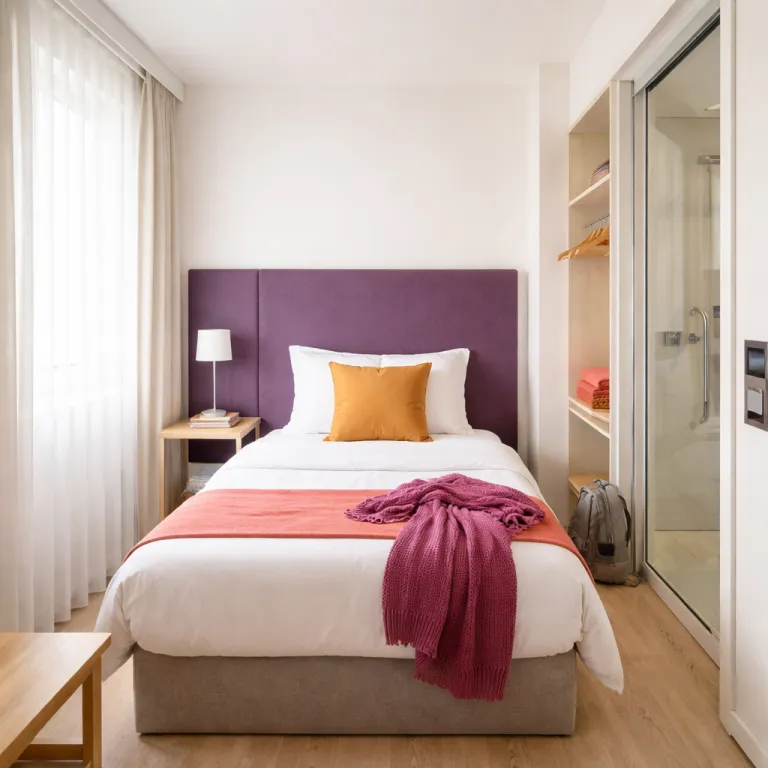
On the ground, that growth looks very specific. In North America, former twelve bed dorms are being carved into four compact private rooms, each with en suite bathrooms and hotel grade linens, while the common kitchen and bar remain defiantly social. In Lisbon, a global hostel favorite quietly converted its top floor into long term private room stays aimed at digital nomadism, leaving the lower floors for classic dorm beds and short stays. These moves show how the hostel private rooms trend is less about abandoning dorms and more about rebalancing living spaces to capture higher revenue per square metre.
For couples planning their next travel itinerary, the implications are clear. The same hostel that once felt too rough for a romantic weekend now offers king size beds, rainfall showers and curated local experiences, while keeping the bar and lounge as the social heart. As one Lisbon hostel manager put it, “Our private rooms pay the bills, but our dorms and common areas build the community.” The question is no longer whether hostels can feel premium, but whether the industry can protect the serendipity that made the format special while chasing growth in private rooms.
What is gained when dorms become doors: revenue, reach and refined guest experience
From a business perspective, the hostel private rooms trend is ruthlessly logical. A single eight bed dorm might generate solid nightly revenue, but four compact private rooms in the same footprint can lift income, smooth seasonality and attract a broader mix of travelers. For a luxury focused booking platform, these hybrid hostels are where the most interesting guest experience innovation is happening.
When hostels offer more private room options, they tap into a market that once defaulted to midscale hotels for comfort. Couples, small groups and solo travelers on work trips are willing to pay a premium for quiet, storage space and a dedicated bathroom, especially on longer term stays. That extra spend translates into higher revenue per available bed and a more resilient hostel industry, less exposed to the pure price competition that defined the early global hostel boom.
The design language has evolved in parallel. Instead of rows of metal beds, you now see timber framed rooms with soundproofing, blackout curtains and thoughtful lighting that flatters both the space and the guest. Many hostels in North America and Europe now position their private rooms as a softer alternative to a standard hotel, layering in social experiences like wine tastings, local food tours and co working sessions to differentiate their stays. For a deeper look at how high end amenities are changing this segment, our guide to hostels with luxury amenities explores concrete examples.
There is also a demographic dividend. The hostel private rooms trend has opened the door to older travelers, first time hostel guests and conscious travelers who care about design and sustainability as much as price. These guests often stay longer, spend more in bars and cafés, and leave detailed reviews that help refine the guest experience for future stays. As one frequent guest in Barcelona told us, “I love having a quiet room to work in, but I still want to walk downstairs and find a shared table and a conversation.” For hostel owners, the shift from a single type of dorm heavy product to a layered mix of rooms and beds is not just about growth; it is about future proofing the business.
Yet the most interesting gain is cultural. When a hostel can welcome a solo backpacker, a remote worker on a term stay and a couple on a city break under one roof, the social fabric becomes richer. The common room conversation changes, the shared kitchen becomes a stage for more varied experiences, and the property feels less like a youth club and more like a small, global neighborhood. Done well, this is where the hostel industry proves that privacy and social interaction are not opposites but complementary parts of the same travel story.
What is at risk: the friendship economy and the soul of shared stays
For all the upside, the hostel private rooms trend carries a quiet cost. Every time a twelve bed dorm is sliced into private rooms, something intangible is lost along with the extra bunks. The risk is that hostels drift toward becoming cheap hotels with thinner walls and better common rooms, rather than guardians of a uniquely social way to travel.
The classic dorm was never just about saving money; it was a machine for chance encounters. You met a stranger over the top bunk, shared a late night snack in the common kitchen, and woke up with a new plan to visit a local market together. That friendship economy powered the reputation of the global hostel scene and turned simple beds into transformative experiences that no other accommodation type could match.
As more guests retreat behind private room doors, hostel owners must work harder to keep that social interaction alive. Sleeping pods, gender segregated dorms and soundproof quiet zones are emerging as a new compromise vocabulary, protecting rest while preserving shared living spaces. Some properties, such as Generator Hostels in major European cities, now combine compact dorms with generous lounges, bars and rooftops that deliberately pull both private room guests and dorm residents into the same social orbit.
The environmental story is also evolving. Conscious travelers increasingly ask whether carving dorms into smaller rooms increases energy use, cleaning loads and material consumption, especially in North America where building standards vary widely. Many of the best hostels answer by investing in efficient systems, durable materials and thoughtful layouts that keep the number of beds reasonable while still offering privacy. For readers interested in how sustainability and style intersect in this space, our feature on eco friendly luxury hostels highlights properties that balance both priorities.
There is a cultural equity question too. If the most atmospheric rooms and quiet corners are reserved for those who can afford a private room, the social core risks becoming stratified. The future of the hostel industry depends on resisting that drift by designing spaces where solo travelers in dorms, couples in private rooms and long term digital nomads all share the same bar, terrace and breakfast table. The best trends hostel properties understand that the value of their accommodation lies not only in the beds they sell but in the experiences they stage between those beds.
The hybrid future: how to read a listing and choose the right kind of hostel privacy
The next phase of the hostel private rooms trend will not be a simple swing from dorms to doors. Instead, the most interesting growth is happening in hybrid properties that treat dorm beds as a specialty product rather than the default. For couples and design conscious travelers, this is good news, because it means more choice without losing the social DNA that makes hostels compelling.
When you scan a listing on a premium booking website, start by looking at the ratio between dorms and private rooms. A property where private rooms dominate but the number of beds in shared spaces is still meaningful usually signals a deliberate hybrid strategy, not an accidental drift toward hotel territory. Pay attention to how the hostel describes its living spaces, whether it highlights common kitchens, lounges and local experiences or focuses only on room amenities.
Next, read the language around social interaction. Hostels that still believe in the dorm as a core experience will talk about events, family style dinners, walking tours and co working tables, not just fast Wi Fi and blackout curtains. Reviews from solo travelers are especially revealing, because they tend to comment on whether the social atmosphere feels organic or forced, and whether private room guests actually join in.
Location remains a powerful filter. In dense urban centers from North America to Asia, the hostel market is moving fastest toward private room heavy models, driven by high real estate costs and a steady flow of couples and business travelers. Our curated guide to elegant hostels in New York City shows how this plays out in practice, with properties that pair refined rooms with serious common areas. In smaller cities and coastal towns, you are more likely to find a global hostel that still treats the dorm as its beating heart.
Finally, consider your own travel rhythm. If you are planning long term or term stays with remote work, a private room in a socially active hostel can offer the best of both worlds. If you crave intense, short burst experiences and late night conversations, a smaller property with fewer private rooms and a modest number of beds in each dorm may suit you better. As one industry FAQ puts it with disarming clarity, “Are hostel private rooms worth the extra cost? Depends on personal preference for privacy and budget. Do private rooms in hostels have en-suite bathrooms? Many now offer en-suite facilities. Is the social atmosphere maintained in hostels with private rooms? Yes, common areas foster interaction.”
Key figures shaping the hostel private rooms trend
- Hostelworld’s Global Pricing Report 2023 notes that a clear majority of hostels worldwide now offer at least one private room, showing how far the format has shifted from pure dorm based accommodation. Readers can consult the regional breakdowns in the report for more granular figures.
- Grand View Research’s Hostel Market Size, Share & Trends, 2022–2030 report estimates that private rooms are the fastest growing segment of the hostel market, with a projected compound annual growth rate of about 9.3% over the coming decade, outpacing overall hostel industry growth measured in USD billion terms.
- Recent industry analyses, including Hostelworld’s 2023 data summary, suggest that dormitory rooms still generate close to two thirds of hostel revenue, which highlights both the enduring importance of shared beds and the scale of the ongoing transition toward more private room inventory.
- Case studies shared by Generator Hostels and other hybrid operators indicate that converting a single large dorm into several compact private rooms can increase revenue per square metre by double digit percentages, while also attracting more couples, older travelers and long term digital nomads.
References
- Hostelworld – Global Pricing Report 2023
- Grand View Research – Hostel Market Size, Share & Trends, 2022–2030
- Generator Hostels – Brand and property information (operator case studies, 2022–2023)