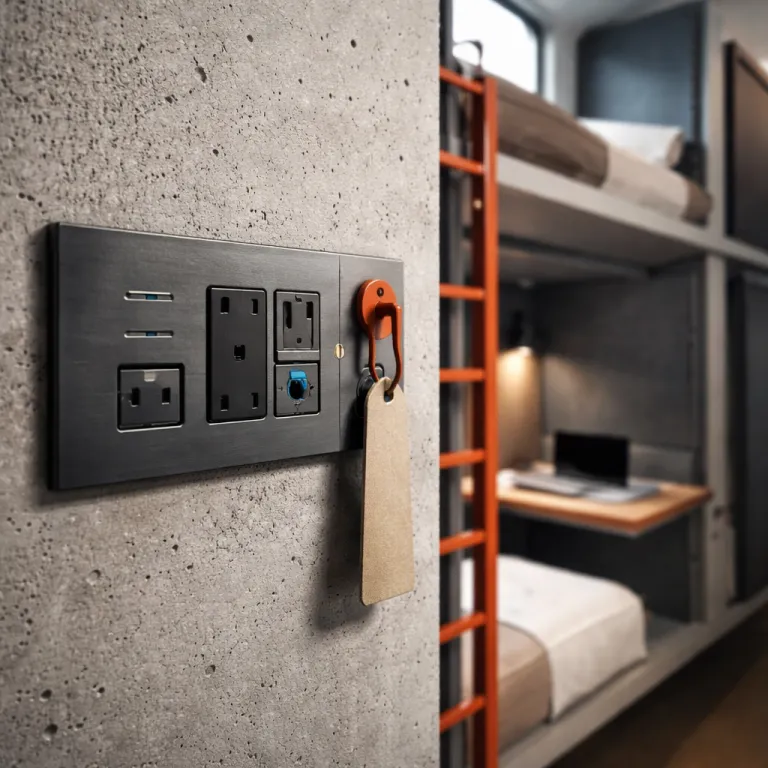
What defines a genuinely work friendly digital nomad hostel
A serious digital nomad hostel starts with one non negotiable element: infrastructure that treats Wi Fi like running water. Remote workers now expect not only fast digital connectivity but also redundancy, mesh coverage in every private room and dorm, and clear information about speeds before they book any stay. Industry surveys from platforms such as Speedtest and Nomad List consistently show Wi Fi reliability as a top three decision factor for remote workers, ahead of decor or even breakfast. As a practical benchmark, many work focused hostels advertise at least 100–300 Mbps download and 50–100 Mbps upload, plus a backup line or 5G router in case the primary connection fails. When hostels ignore this, travellers quickly learn which city properties are the best hostels for working and which are just cheap beds with unstable connections.
For remote professionals, a nomad hostel must also separate where you sleep from where you work. Purpose built coworking spaces with ergonomic chairs, large desks and quiet zones feel very different from improvised common areas where laptops fight for space with breakfast plates and backpacks. The best digital nomad hostels now add soundproof call booths, printing facilities and even small meeting rooms, because a single client call can define whether a stay feels productive or stressful. In a 2023 survey by a European hostel association, more than half of properties targeting remote workers reported adding at least one phone booth or meeting pod. As one Lisbon hostel manager put it in a recent industry interview, “If a guest drops a contract because our Wi Fi fails, we have not just lost a booking, we have lost trust.”
Luxury leaning nomad hostels also understand that a digital nomad is not a gap year backpacker. They offer private rooms and upgraded private bathrooms alongside refined dorms, so business leisure nomads can host a video call without roommates walking behind them. In Europe and beyond, the most nomad friendly hostels now publish clear work friendly policies, quiet hours and long term stay options, which helps digital nomads plan serious working weeks rather than improvised laptop sessions. Weekly rates of around 20–30% below the nightly price and simple extensions at the same rate are increasingly common, making these properties feel closer to flexible serviced apartments than traditional hostels. A quick scan of published rate tables from major brands in cities such as Lisbon, Berlin and Prague confirms that long stay discounts have become a deliberate strategy rather than an occasional promotion.
The coworking space test; from kitchen table to full floor
Walk into any digital nomad hostel and you can run a quick coworking corner test. If the so called coworking space is just a kitchen table with extension cords in the common areas, you are in a social hostel that tolerates work rather than a property that truly caters to digital professionals. A work friendly hostel treats its coworking spaces as revenue generating facilities, with day passes, membership style perks and clear etiquette that keeps noise under control. Typical day passes range from the price of two coffees in cheaper cities to the cost of a budget hotel night in major capitals, which encourages serious use rather than casual laptop parking. Hostelworld and similar booking platforms increasingly list these passes as add ons, signalling that coworking is now a defined product rather than an informal perk.
In the stronger examples across Europe, a dedicated coworking space sits on its own floor, with natural light, acoustic panels and a mix of hot desks and lounge seating. These hostels often add a rooftop terrace or courtyard where digital nomads can take calls or decompress between tasks, turning the property into a vertical campus rather than a simple place to stay. When you book a private room in these hostels, you usually gain priority access to the coworking spaces, which matters during busy city events or conferences. One Berlin property, for instance, reserves half of its hot desks for overnight guests during trade fairs, ensuring that regulars can still maintain their work rhythm. Internal occupancy reports from several hybrid hostel brands show that desk usage can spike by 30–40% during major events, so this kind of access policy is more than just a courtesy.
Some of the most interesting hybrids echo the Generator and Selina style model, where the line between hostel, hotel and office blurs. In Tokyo, for example, several new generation hostels pair compact private rooms with expansive coworking floors, making them ideal for executives extending business trips; you can explore more of these luxury edged hostel stays in Japan through specialist guides that focus on elevated Tokyo hostels for modern travellers. For digital nomads who have stayed in both traditional hostels and serviced apartments, these hybrids often feel like the best digital compromise between cost, community and professional grade working space. A frequent guest quoted in one review described the experience as “70% hotel comfort, 30% hostel community, and 100% better than working alone in a studio.”
Long term economics; when hostels beat serviced apartments
For business leisure nomads planning a long term workcation, the numbers increasingly favour a well run digital nomad hostel. Once you factor in coworking memberships, cleaning, utilities and flexible booking terms, many premium hostels in major city centres undercut serviced apartments while offering richer social life. A typical example: a central European serviced studio might cost the equivalent of €1,600–€2,000 per month before coworking, while a private room in a high quality nomad hostel with included workspace access can sit closer to €1,100–€1,400. Market reports from European hospitality consultancies show similar gaps in cities such as Barcelona and Vienna, especially in shoulder seasons. This is especially true in Europe, where hostels now publish weekly and monthly rates that quietly target digital nomads rather than short stay backpackers.
Properties like Ostello Bello in Milan and other Italian cities illustrate how a hostel can cater digital professionals without losing its soul. Guests can book a private room with a desk, enjoy free breakfast and evening snacks, and then move to the coworking space or shaded rooftop terrace for focused working sessions. Over a month, that package often costs less than a comparable studio, especially once you add the value of curated events that connect travellers, nomads and local entrepreneurs. Publicly listed prices from similar Italian hostels show that long stay guests can often save several hundred euros per month compared with a private rental plus separate coworking membership. One long stay guest quoted in a Milan review summed it up simply: “I saved money compared to a flat, but I gained colleagues, not just neighbours.”
Outside Europe, refined hostels in destinations such as Costa Rica now compete directly with co living brands. Many offer private rooms with hotel level linens, strong digital infrastructure and coworking spaces that open onto gardens or pool decks; this style of nature rich yet work friendly hostel is mapped in detail in independent guides to Costa Rica hostels for refined stays. For digital nomads who have stayed in anonymous city apartments, these hostels feel both more human and more financially rational, especially when public transport and airport links sit within a short walk. Over a season, the ability to downshift to a dorm during lighter work weeks and upgrade to a private room during deadlines can make the overall budget even more flexible.
Community, common areas and the new etiquette of working travellers
As digital nomads multiply, a quiet tension has emerged between laptops and late nights. A digital nomad hostel that leans too hard into work risks losing the serendipity that made hostels appealing, while a party heavy property can sabotage serious working days. The best hostels now curate their common areas with intent, zoning spaces so that social energy never overwhelms those who need to finish a deck before drinks. Clear signage, simple rules about where calls are allowed and staff who feel confident enforcing quiet hours all help keep expectations aligned. Internal guest satisfaction surveys from several European brands show higher review scores when quiet policies are explicit rather than implied.
In practice, that means a mix of lounges, shared kitchens and event spaces that are clearly signed and scheduled. Morning hours might prioritise silent working in the main space, while evenings shift toward talks, communal dinners or city walks that encourage travellers and nomads to look up from their screens. Some hostels even train their équipe to introduce solo guests to one another, because the community problem is real; nomads bring laptops and leave conversations unless someone nudges them toward the table quiz or rooftop terrace aperitivo. A Barcelona operator described their approach as “office rules before 6 p.m., living room rules after,” a simple phrase that staff and guests can both remember.
Operators who cater digital professionals also rethink programming length. Instead of one off pub crawls, they host recurring skill swaps, founder breakfasts or neighbourhood runs that make long term guests feel anchored rather than transient. When you have stayed in several nomad hostels, you quickly sense which ones are genuinely nomad friendly; they remember your name, ask about your work, and design facilities so that both introverts and extroverts can find their version of the best stay. Over time, this balance of structured events and unstructured lounge time becomes a key differentiator between a hostel that simply allows laptops and one that truly supports a location independent lifestyle.
How to choose the best digital nomad hostel for your next trip
Choosing the right digital nomad hostel starts long before you arrive in the city. Read the property description with a sceptical eye and look for concrete details about coworking spaces, Wi Fi speeds, private rooms and quiet hours rather than vague claims about being work friendly. When in doubt, message the hostel directly and ask where most guests work, how many power outlets sit in the main space and whether calls are allowed in common areas. A quick video call test on arrival day, using a speed test app, can confirm whether the connection matches what was promised. Many remote workers also keep a simple spreadsheet of tested properties, noting speeds, noise levels and desk quality for future trips.
Reviews from travellers who have stayed for at least a week are gold. They reveal whether the digital infrastructure holds during peak hours, how reliable the public transport connections feel and whether the rooftop terrace is a genuine working space or just a sunset photo spot. For a curated starting point, consult specialist platforms that focus on elevated hostels, such as independent guides to where to find the nicest hostels for a luxury minded stay, which filter properties that already meet a higher baseline. Pay attention to patterns in guest comments: repeated praise for quiet rooms, stable Wi Fi and respectful community norms usually signals a consistently work friendly environment.
Remember that a good hostel for a weekend might not suit a month of working. Look for long term rate structures, laundry facilities, kitchen quality and whether the nomad hostel attracts a critical mass of digital nomads rather than only short term backpackers. As one reference explains with useful clarity: “What is a digital nomad hostel? A hostel designed for remote workers with work-friendly amenities. Why choose a digital nomad hostel? To access reliable Wi-Fi, workspaces, and a community of travelers. Are digital nomad hostels expensive? Prices vary; many offer affordable options for travelers.” When you combine that definition with your own non negotiables—such as private rooms, call booths or 24/7 access to coworking areas—you can quickly shortlist the properties that genuinely match your working style.
FAQ
What is the main difference between a standard hostel and a digital nomad hostel ?
A standard hostel focuses on beds and basic social spaces, while a digital nomad hostel adds structured working areas, stronger Wi Fi and clearer quiet policies. You can expect coworking spaces, more power outlets and often private rooms designed around laptop use. These facilities make it realistic to maintain a full work schedule during your stay, rather than squeezing calls between sightseeing and shared kitchen noise.
How can I check if the Wi Fi will be strong enough for remote work ?
Look for specific speed numbers in the description and recent reviews that mention video calls or large file uploads. Many of the best hostels now publish their typical download and upload speeds, plus backup connections. When information is vague, contact the hostel and ask where routers are placed and whether coverage reaches every private room. If you rely on video meetings, aim for at least 25 Mbps download and 5–10 Mbps upload as a personal minimum, which aligns with common recommendations from video conferencing providers.
Are digital nomad hostels suitable for long term stays ?
Many nomad friendly hostels actively court long term guests with weekly or monthly rates. They usually offer laundry rooms, proper kitchens and storage solutions that make longer stays comfortable. If you plan to stay for several weeks, ask about discounts and whether you can keep the same private room throughout. Some properties also include coworking access in long stay packages, which can significantly reduce your overall monthly costs compared with paying for a separate workspace.
Do digital nomad hostels still have a social atmosphere ?
Well run digital nomad hostels balance work and community through thoughtful programming. Expect quieter days and more structured evening events rather than constant parties. If social connection matters to you, choose properties that highlight communal dinners, talks or city walks rather than only coworking facilities. Reading guest reviews that mention “easy to meet people” or “felt like a community” can help you gauge the actual vibe.
Is a private room worth paying for in a digital nomad hostel ?
For business leisure travellers, a private room often pays for itself in focus and sleep quality. You gain a controlled environment for calls and can keep work equipment secure. Many digital nomads alternate between dorms and private rooms depending on workload, using private rooms during intense working weeks. If your income depends on reliable calls or deep work, the extra cost is usually small compared with the value of uninterrupted productivity.