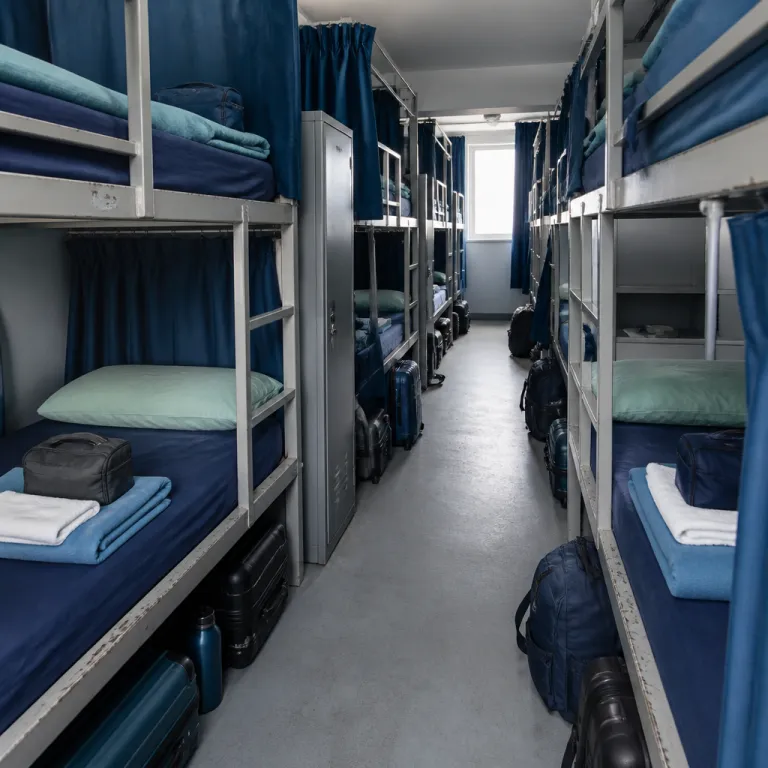
Dorm beds are filling, but hostel pricing power is slipping
Cloudbeds’ latest analysis of global hostel performance lands a clear message. “What is the main finding of the 2026 State of Hostels report? Growing divergence in hostel performance across accommodation types and regions.” For travelers seeking characterful accommodation rather than anonymous rooms, that divergence now shapes every booking decision.
The headline for hostel pricing trends 2026 is stark ; dorm average daily rates have fallen by 8.2 percent even as dorm occupancy rose by 2.6 percent and private rooms climbed by 2.8 percent. This squeeze is most visible in the hostel market segments that rely on youth travel, budget travel and short term city breaks, where demand is strong but owners feel forced to trim pricing in usd to stay visible on every channel. In practice, that means more travelers, tighter margins and a growing gap between accommodation type promises and what the équipe on the ground can realistically deliver.
Across Europe, North America, Latin America and Asia Pacific, Cloudbeds’ données show that OTAs now control 73.7 percent of hostel bookings worldwide. Those same channels generate a 20.7 percent cancellation rate, compared with 9.2 percent for direct booking, which erodes revenue planning and pushes some hostels toward aggressive last minute pricing. For travelers, the key takeaways are simple ; a cheap bed often reflects commission pressure rather than genuine market size weakness, and flexible booking policies can hide higher risk of last minute changes.
Look closely at how each hostel talks about its social spaces and programming before you lock in a low rate. Experience led hostels that invest in shared kitchens, rooftop bars and curated group activities are still outperforming commodity beds in every major market. When you compare hostels in usd, focus less on the absolute pricing and more on whether the property can sustain maintenance, staff fidélité and real social energy at that level.
Regional shifts, OTA dependence and the private room premium
Cloudbeds’ report confirms that Asia Pacific is now the strongest performing region for hostels, while Latin America faces sharp rate compression despite rising occupancy. Europe and North America sit between those poles, with mature hostel market structures, intense competition and a clear split between experience led properties and older, under invested accommodation. For travelers, the regional trend lines behind hostel pricing trends 2026 matter as much as the nightly rate itself.
OTA dependence is the structural story ; “How has OTA dependence changed for hostels? OTA share of hostel bookings rose to 73.7% globally.” That visibility comes at a cost, because each channel takes commission, encourages flexible booking and drives higher cancellation rates that destabilize cash flow. As operators absorb those costs, many quietly lower dorm pricing while holding or even raising the premium for a private room, especially in gateway cities where travel tourism and digital nomads overlap.
In practice, the private rooms and upgraded accommodation type options are becoming the margin engine that keeps social spaces funded. “What is the average booking window for travelers? Travelers booked an average of 24 days in advance in 2025.” That relatively stable booking window gives hostel owners just enough durée to yield manage between dorms and private rooms, often nudging solo travelers and couples toward higher priced categories. For travelers seeking comfort without losing the hostel vibe, paying extra for a private room inside a well run hostel can now be better value than a similarly priced budget hotel.
Luxury leaning platforms such as Hostel Stay’s coverage of where hostels are heading in the OTA era show how a&o hostels and other large groups use scale to negotiate better terms and protect service levels. Smaller independent hostels, especially in Latin America and secondary cities in Europe, often lack that leverage and feel the full impact of every percentage point of commission. When you compare hostels across regions, the key findings suggest that direct booking with clear cancellation terms is still the most reliable way to support properties that prioritize staff, maintenance and guest experience.
What thinner margins mean for service, social life and savvy guests
For travelers on the ground, fuller beds and thinner margins translate into subtle but important shifts in daily hostel life. Some properties respond to pricing pressure by adding more bunks to existing dorms, cutting back on free breakfasts or reducing the frequency of social events. Others double down on social spaces and curated group activities, betting that travelers seeking connection will pay a modest premium for a hostel that still feels like a community rather than a cheap crash pad.
The analysis from Cloudbeds and other hospitality experts shows that experience led hostels continue to outperform on both rate and occupancy, even when overall pricing in usd softens. That is especially true in cities with strong digital nomad scenes, where solo travelers expect reliable Wi Fi, quiet work corners and flexible booking policies that support longer short term stays. Articles such as Hostel Stay’s guide to hostels built for the laptop class highlight how the best properties balance social energy with focused work zones, proving that accommodation type design can still create growth even in a tight market.
When you evaluate hostel pricing trends 2026 as a traveler, treat every low rate as an invitation to perform your own analysis hostel by hostel. Read recent reviews for clues about cleanliness, maintenance and whether social events still run regularly, especially if you are part of a group or traveling alone for budget travel in unfamiliar cities. The most reliable key takeaways ; prioritize hostels that invest in staff, social programming and transparent pricing, because those are the places where youth travelers, older financially stable guests and digital nomads still share a table in the common kitchen and turn a simple bed into a memorable stay.
Across Europe, North America, Latin America and Asia Pacific, the hostel market is not shrinking ; it is evolving, with a growing market size of travelers seeking character, connection and value rather than just the lowest possible usd rate. For solo travelers and groups alike, the smartest move is to use OTAs as a research tool, then book direct when possible to reduce cancellations and support the properties that align with your travel values. In a world of fuller beds and thinner margins, your individual booking choice quietly shapes the future of hostels as much as any global analysis ever will.