Redefining the work friendly hostel for the digital nomad executive
A work friendly hostel for a digital nomad executive is not defined by a password on a key card holder. It is defined by whether you can open your laptop in a calm space at 08.00, take three video calls, finish a board memo, then close the lid and still feel like you are in a sociable hostel rather than a serviced office. When you book a hostel on a luxury and premium platform, the question is no longer only about thread count in a private room but about whether the property understands how digital nomads actually work.
Hostel with Wi Fi and Hostel with Work Facilities may sound similar in a search filter, yet they serve very different types of travellers and remote workers. The first is any hostel where the signal reaches most rooms and common areas, while the second is a hostel that has invested in dedicated work facilities, ergonomic seating, and quiet zones that genuinely cater digital professionals who need to protect their working hours. For business leisure nomads who have stayed in both types of hostels, the difference is as stark as the gap between a café table and a purpose built coworking space.
Quick checklist for a work friendly hostel
Luxury focused booking sites now curate hostels digital properties the way they once curated design forward hotels, highlighting which hostels offer a true work friendly environment for digital nomads. They look at where the work room sits in relation to the bar, how many power outlets are available per seat, and whether the Wi Fi remains stable when every guest is streaming. When you try to find the best hostels in a major city in Europe or Asia, the most useful filter is often not price but whether the hostel offers a real working infrastructure for the modern digital nomad.
As a practical rule of thumb, look for at least 50–100 Mbps download and 20 Mbps upload per active worker, a minimum of one power outlet per seat, and roughly one dedicated workspace seat for every four beds. Properties that publish recent speed tests, show photos of a separate work room, and describe quiet hours for remote workers are far more likely to deliver a genuinely productive stay.
The infrastructure checklist that separates signal from substance
Most hostels provide free Wi Fi, but quality varies. Some hostels offer dedicated workspaces; availability varies. How can I find hostels suitable for remote work? Look for hostels labeled as 'digital nomad-friendly' or with co-working facilities. Those three sentences, drawn from industry guidance, summarise the gap between marketing language and measurable infrastructure better than any glossy photograph.
When you evaluate a work friendly hostel for a digital nomad trip, start with numbers rather than adjectives. Ask the property or check recent reviews for real download and upload speeds in both the work room and the private rooms, because a single overloaded router in the kitchen will not support a full day of working calls. A luxury oriented booking website should show whether the hostel offers backup connectivity, such as a secondary fibre line or at least a mobile hotspot, which becomes essential when guests are working on time sensitive projects.
Connectivity and backup standards
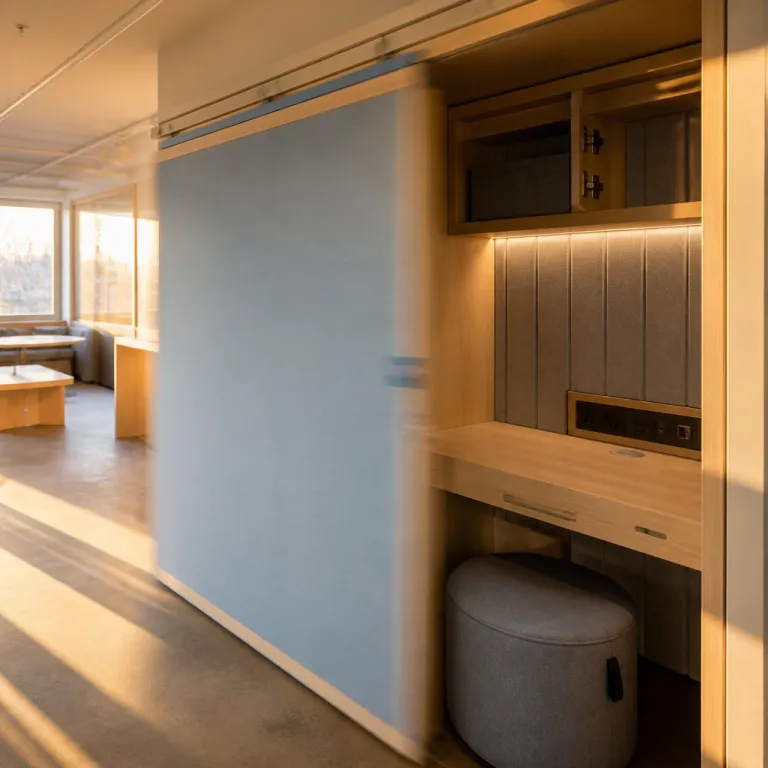
Next, examine the physical space where digital nomads are expected to work, not just the promise of Wi Fi in common areas. A genuine nomad hostel will separate social and working zones, with doors that close, acoustic treatment, and a clear expectation that this is a space for focused work rather than pre drinks. In the best hostels in dense city centres, you will often find a dedicated work room with at least one seat per four beds, multiple power outlets at each desk, and lighting that is designed for screens rather than selfies.
Noise management is the quiet luxury of the work friendly hostel, especially in busy hostels Europe destinations where nightlife runs late. Look for layouts where the work space is not a corridor between reception and the bar, and where the private room options are insulated from the noisiest common areas. In Prague, for example, premium social hostels that balance work and play often place their coworking space on an upper floor, away from the street and the rooftop terrace, a pattern you can see in many style savvy Prague hostels for premium social stays described in this curated city guide.
Why a dedicated coworking room beats the lobby table every time
There is a reason serious digital nomads rarely work long hours at a lobby table, no matter how photogenic the space may be. A lobby is designed for arrivals, departures, and casual conversation, while a coworking room in a nomad hostel is designed for posture, focus, and the kind of video call where you need to share a screen without sharing the soundtrack of the entire city. For business leisure travellers who have stayed in both types of hostels, the difference shows up in their energy levels at the end of the working day.
In a hostel that truly caters digital professionals, the work room will have ergonomic chairs, stable desks, and enough depth between seats to keep laptop screens private. Remote workers can settle in for several hours without the micro distractions that come from people checking in, luggage rolling past, or guests asking for directions to the kitchen. The best digital setups also include at least one enclosed booth for calls, sometimes even a small podcast studio, reflecting the broader trend where coliving and coworking spaces merge into a single hospitality product.
Lighting, acoustics, and tech behind the scenes
Lighting and acoustics are where a work friendly hostel quietly earns its premium label. A dedicated coworking room should offer indirect lighting that avoids glare on screens, sound absorbing materials on at least one wall, and a clear policy about phone calls versus silent working zones. When you book stay options on a luxury hostel platform, look for photos that show these details, not just a single laptop on a café table.
Technology behind the scenes matters as much as furniture, and this is where modern software for hostels is redefining luxury booking for travellers who work on the road. Properties that invest in integrated systems can manage bandwidth allocation, reserve desks or private rooms for working hours, and offer dynamic pricing for longer stays that appeal to digital nomads planning a two to four week workcation. A well run nomad hostel will use these tools to ensure that every guest who needs to work can find a seat, a socket, and a quiet moment when it matters most, as explored in depth in this analysis of how hostel software is reshaping premium stays.
Hostel versus coliving for a two to four week working stay
For a digital nomad planning a two to four week stay, the choice between a hostel and a coliving space is rarely about ideology. It is a calculation that weighs flexibility, cost, and productivity against the social energy of common areas and the privacy of a well designed private room. On a luxury booking website that lists both categories, the work friendly hostel often wins when your schedule is fluid and your appetite for meeting other travellers remains high.
Coliving spaces tend to offer larger private rooms and more predictable quiet hours, which can be ideal for remote workers with heavy meeting loads. However, they usually require longer commitments and higher monthly rates, while a premium hostel offers the option to book stay periods night by night, adjusting your plans as your working calendar evolves. For many digital nomads, especially those moving between cities in Europe by public transport and train station connections, that flexibility is worth as much as an extra square metre of space.
From a budget perspective, hostels often sit well below coliving prices while still offering strong facilities for work. A nomad hostel that has invested in a proper coworking room, reliable Wi Fi, and quiet private rooms can deliver almost the same productivity as a dedicated coliving property, especially if you are disciplined about your working hours. The key is to find the best hostels that explicitly position themselves as hostels digital spaces for remote workers rather than generic party properties.
Socially, the hostel environment remains unmatched for travellers who enjoy meeting other nomads without sacrificing their deadlines. Common areas, from the shared kitchen to the rooftop terrace, become places where guests can shift from working mode to relaxed conversation within a few steps, something that more residential coliving spaces sometimes struggle to replicate. When you book a work friendly hostel through a curated platform, you are effectively choosing a hybrid lifestyle where your office, living room, and social club all share the same location yet remain thoughtfully separated by design.
How to read listings and reviews like a work focused insider
On a luxury and premium booking website, the difference between a hostel with Wi Fi and a hostel with work facilities often hides in the small print. A listing that simply mentions free Wi Fi in all rooms is describing connectivity, while a listing that details a coworking space, quiet hours, and desk reservations is describing an actual working environment. For digital nomads who have stayed in dozens of properties, this distinction becomes second nature.
Start by scanning the description for specific language about where you can work, not just that you can connect. Look for mentions of a dedicated work room, coworking space, or business corner that is separate from the bar and the main common areas, and check whether private rooms include a proper desk and chair rather than a decorative console table. If the hostel offers day passes or discounted weekly rates for remote workers, that is usually a sign that they truly cater digital professionals rather than treating them as an afterthought.
What to look for in photos and guest comments
Guest reviews are your second filter, especially on platforms that aggregate feedback from travellers who work on the road. Pay attention to comments about noise levels during the day, Wi Fi stability when the hostel is full, and whether staff are responsive when working guests need a quieter space or an extra power strip. When multiple guests mention that they comfortably worked full days from the hostel, you can be more confident that the property functions as a genuine work friendly hostel for the digital nomad community.
Finally, consider the wider context of the hostel’s location and its approach to sustainability and design. A property that sits near a major train station or well connected public transport hub will make your working life easier, especially if you need to move between meetings in different parts of the city. If you care about environmental impact as well as comfort, look for properties that perform well on structured sustainability frameworks, such as those explained in this guide to understanding hostel sustainability ratings, because thoughtful operations often correlate with thoughtful working facilities.
What the best work ready hostels in Europe get right
Across Europe, a small but growing group of premium hostels has quietly become the benchmark for digital nomads who expect hotel level comfort and coworking level infrastructure. These properties understand that the modern nomad is as likely to be a consultant or executive as a backpacker, and they design their spaces accordingly. When you find the best digital options in this category, you will notice the same patterns repeating from city to city.
Take the Italian brand Ostello Bello, for example, which has become a reference point for social yet work friendly hostels Europe wide. In several locations, you will find a clear separation between lively common areas and calmer working zones, with long tables, ample sockets, and Wi Fi that holds up even when every guest is streaming. Guests who have stayed there often mention how easy it is to move from a focused working session to a shared dinner in the kitchen or a drink on the rooftop terrace without feeling that either experience has been compromised.
Other standout nomad hostels in major city hubs follow a similar template, offering a mix of dorms and private rooms that suit different working styles. A private room with a desk becomes a retreat for deep work, while the shared spaces remain the social heart of the hostel, drawing in travellers, remote workers, and long term nomads alike. The hostel offers extended stay discounts, clear quiet hours, and sometimes even partnerships with nearby coworking spaces for guests who need an extra professional environment.
What unites these properties is not just their facilities but their attitude towards digital work. Staff are trained to understand why a stable connection matters, why a guest might ask for a seat near a power outlet, and why a last minute request for a quieter room can be the difference between a productive week and a stressful one. In a market where most hostels may offer free Wi Fi but only a smaller share provide dedicated workspaces, these work friendly hostels for digital nomads set the standard for what a truly modern, premium hostel experience can be.
FAQ
Do all hostels offer Wi Fi that is good enough for remote work ?
Most hostels now offer free Wi Fi, but the reliability and speed vary widely between properties and even between different rooms in the same building. A work friendly hostel for a digital nomad will usually publish speed tests, mention multiple access points, and receive consistent guest reviews praising the connection. When you need to work, prioritise hostels with dedicated work facilities rather than relying on a generic promise of Wi Fi in common areas.
How can I tell if a hostel has real work facilities before I book ?
Look for explicit references to a coworking room, business corner, or quiet workspace in the description, and check photos for desks, ergonomic chairs, and power outlets at every seat. Reviews from travellers who mention working full days, taking video calls, or extending their stay for work are strong indicators that the hostel offers more than just connectivity. If you are booking through a premium platform, use filters for digital nomad friendly hostels and read the amenity list carefully.
Are dedicated workspaces common in hostels or still a niche feature ?
Dedicated workspaces remain less common than basic Wi Fi, but their presence is growing as more digital nomads choose hostels for medium length stays. Industry data suggests that while a large majority of hostels provide free Wi Fi, only a smaller proportion have invested in purpose built work rooms or coworking style spaces. Luxury and premium hostels are leading this shift, using work facilities as a key differentiator for business leisure travellers.
Is a hostel or a coliving space better for a two week workcation ?
A coliving space usually offers more privacy and a quieter environment, which can be ideal if your schedule is packed with calls and deep work. However, a work friendly hostel can be better when you value flexibility, social interaction, and the ability to adjust your stay length without long contracts. For many digital nomads, the optimal strategy is to choose a premium hostel with strong work facilities for shorter stays and reserve coliving for longer, more settled periods.
What should I prioritise when choosing a work friendly hostel in a new city ?
Focus on three pillars : connectivity, space, and location. You need stable, fast Wi Fi, a dedicated area where you can work without constant noise, and a location close to public transport or a main train station so you can move easily between meetings or explore after work. If a hostel scores well on all three, it is likely to support a productive and enjoyable digital nomad stay.