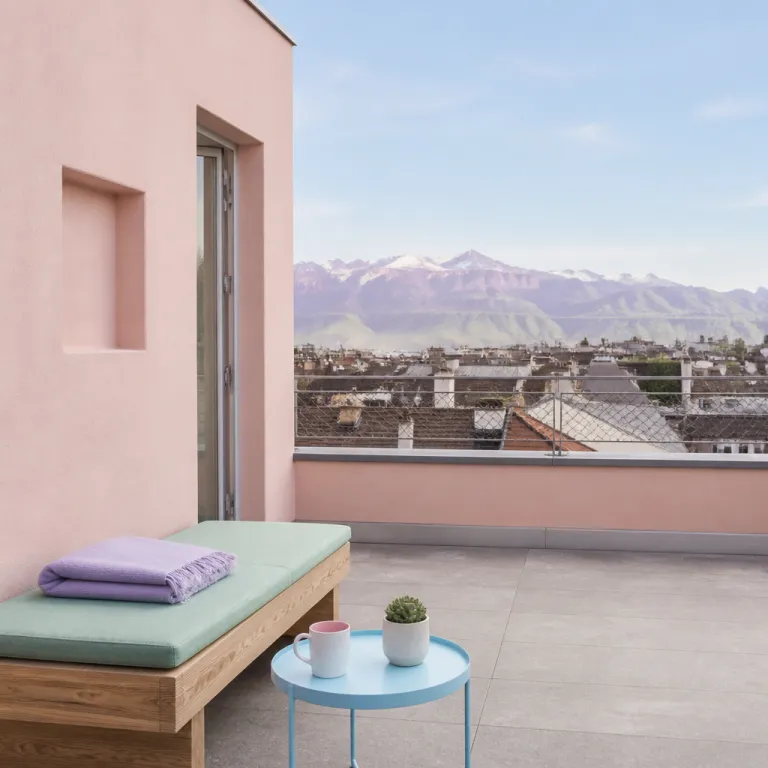
Why hostels in Switzerland now rival premium city hotels
Hostels across Switzerland have evolved into polished, design-led spaces that appeal to travelers who usually book upscale hotels. Many properties now blend the social spirit of a classic youth hostel with private rooms, curated interiors, and attentive Swiss service that feels reassuringly premium. This shift means you can plan a stay in shared accommodation and still expect quiet comfort, refined details, and a central location.
Across the country, the Swiss Youth Hostels association operates around fifty addresses that keep standards consistently high while rates remain accessible. Their properties focus on clean rooms, reliable Wi-Fi, and shared kitchens, and they often sit within a short walk of a city centre or train station for effortless sightseeing. According to Swiss Youth Hostels’ 2023 association information, most locations are inspected regularly and held to clear quality guidelines, which helps keep them clean and comfortable.
For travelers comparing a hotel and a hostel in Switzerland, price transparency helps; Hostelz.com data from early 2024 indicates that the average dormitory bed costs about 38 CHF per night in summer, while a private room averages around 180 CHF, with winter and shoulder seasons sometimes a little lower. Those figures allow you to book a private room in many hostels nice enough to rival mid-range hotels, especially in destinations such as Interlaken or Zurich where hotel prices climb quickly. This value equation is particularly attractive for longer itineraries that combine several Swiss Alps regions and multiple cities.
Location remains a decisive factor when you book, and premium-focused platforms now highlight exact walking times and transport links. In Interlaken, for example, a hostel near the station can save you twenty minutes each way when catching early mountain trains. Always keep in mind how far you will need to walk from train to bed with luggage, especially if you plan to arrive late at night or during winter snow.
Travelers who appreciate design and atmosphere often search for places stylish enough to share on Instagram, and Switzerland delivers many photogenic options. Properties in lakeside towns or in the foothills of the Alps frequently offer a mountain or water view from common lounges, which elevates the daily experience. When you choose accommodation through a curated luxury and premium booking website, you can filter for these visual touches while still prioritizing quiet rooms and strong soundproofing.
Demand for elevated youth hostels has grown steadily, and operators have responded with more private bathrooms, wellness corners, and even outdoor escape games in some locations. These innovations make a hostel stay feel less like a compromise and more like a deliberate lifestyle choice, especially for couples and solo professionals. To secure the best rooms and rates, book early during peak summer and winter seasons when Swiss cities and resorts fill quickly and nightly prices can rise above the averages mentioned.
Interlaken’s premium hostels: Balmer’s, Backpackers Villa and station side gems
Interlaken has become a showcase for how Swiss hostels can feel both social and sophisticated. The town sits between two lakes with the Alps rising sharply behind, so even a simple dorm view can be spectacular. Because of this setting, many travelers now choose a hostel in Interlaken over a traditional hotel, then invest the savings in paragliding, scenic trains, or fine dining.
Balmer’s Hostel, often written as Balmer’s, is one of the most storied youth hostels in the region and remains a reference point for backpackers and flashpackers. This historic property, sometimes called Hostel Balmer’s by guests, combines dormitories with private rooms and a lively bar that stays open late in summer. One recent guest described the pros as “super friendly staff, fun garden hammocks, and a great base for canyoning,” while noting that street-facing rooms can pick up some noise on busy nights.
Backpackers Villa Sonnenhof, usually shortened to Backpackers Villa, offers a calmer alternative that many guests describe as highly recommended for couples and families. The hostel sits within a few minutes’ walk of Interlaken’s centre yet feels residential, with lawns, trees, and a relaxed atmosphere. A frequent visitor praises the “spotlessly clean kitchens, generous breakfast tokens, and quiet garden,” while mentioning that the structured house rules may feel a bit formal to very spontaneous travelers.
Another strong option is the modern Hostel Interlaken located near Interlaken Ost train station, which is ideal for early departures into the Jungfrau region. Being only a brief walk from the platforms means you can roll your suitcase from train to reception in a few minutes. This ease of access matters when you plan multiple day trips and need to move between transport and accommodation several times a day.
In Interlaken, many properties nice enough for design-conscious guests now highlight their interiors and mountain views on Instagram, which helps you assess ambiance before you book. Look for images of lounges, kitchens, and outdoor terraces rather than only dorm beds, because these shared spaces shape your daily experience. A luxury-oriented booking website will usually curate a selection of Interlaken hostels that meet higher standards for design, cleanliness, and quiet hours.
When planning a longer Swiss Alps itinerary, consider pairing Interlaken with elegant hostels in other European regions to maintain a consistent level of comfort. For example, travelers who enjoy refined social stays often compare Interlaken options with elegant hostels in southern Spain for a refined social stay to understand how amenities differ between sun destinations and alpine towns. This broader perspective helps you decide where to allocate more budget to private rooms and where a classic youth hostel dorm will suffice.
Urban style: Zurich, Geneva and Swiss city centre hostels
Major cities such as Zurich and Geneva show another side of the Swiss hostel scene, one that leans into urban style and efficient design. In Zurich, a well-located property in the city centre can place you within a short walk of the lake, the old town, and key tram lines. This proximity allows you to move between train, hostel, and major sights without relying heavily on taxis.
Many Zurich youth hostels now offer private rooms with en suite bathrooms, which appeal to business travelers and couples who usually choose hotels. These properties often sit close to a train station or tram hub, making it easy to arrive late at night and still enjoy a smooth check-in. When you book a stay in Switzerland’s largest city through a premium platform, you can filter for quiet floors, work-friendly desks, and strong Wi-Fi to support remote work.
In Geneva, the best-known hostel options cluster near the lake and the main train station, which keeps transfers simple. A centrally located youth hostel in Geneva typically offers lockers, shared kitchens, and a relaxed lounge where international guests mingle after conferences or sightseeing. For travelers who value both privacy and budget control, booking a private room in a Geneva hostel can be a good alternative to a mid-range hotel.
Swiss Youth Hostels maintain several properties in these cities, and their consistent standards make them highly recommended for first-time visitors. Their network prioritizes cleanliness, safety, and clear house rules, which is reassuring if you are new to shared accommodation. Because these city hostels operate year round, they also understand seasonal patterns and can advise on quieter travel periods.
Visual storytelling plays a growing role in how travelers choose a hostel in Switzerland’s cities, with many guests relying on Instagram to gauge atmosphere. Look for photos that show the lobby, bar, and co-working corners, because these spaces define how comfortable you will feel during a longer stay. If you appreciate Nordic-inspired design and calm social areas, you might also enjoy comparing these Swiss city properties with elegant hostels in Reykjavík for a refined city stay.
When evaluating urban hostels nice enough for a premium experience, keep in mind three core criteria. First, check exact distance from the train station and main tram stops, ideally within a ten-minute walk with luggage. Second, review quiet hours and soundproofing, especially if the hostel bar stays open late, and third, confirm whether breakfast is included or available as an add-on.
Lake and countryside retreats: Beinwil, Avenches and Burgdorf
Outside the major cities, Swiss hostels extend into lakeside villages and small historic towns that offer a slower rhythm. These locations often appeal to travelers who want a refined yet relaxed stay surrounded by nature or medieval architecture. Because demand is lower than in Zurich or Interlaken, you may find particularly good value in these regions.
Beinwil, on the shores of Lake Hallwil, hosts a tranquil youth hostel that feels almost like a lakeside villa in summer. Guests can swim, paddle, or simply enjoy the view from terraces and lawns, making it a strong choice for families and couples. When you book this lakeside retreat through a premium platform, look for lake-facing rooms and check whether water sports equipment is available on site.
Avenches offers a different atmosphere, with Roman ruins and an amphitheatre that give the town a distinctive character. A hostel in or near Avenches allows you to walk through history each day, then return to a modern, well-run property in the evening. Because the town is compact, most accommodations sit within a short walk of the centre, which makes it easy to explore on foot.
Burgdorf brings a medieval castle and charming old streets, and its youth hostel often occupies a historic building with thick walls and characterful rooms. Staying in such a place combines heritage with practicality, especially when the property sits close to a train station or bus stop. These smaller town hostels are often highly recommended by repeat guests who appreciate their calm ambiance and attentive staff.
In rural and lakeside areas, accommodation nice enough for design-conscious travelers still maintains the core hostel values of shared kitchens and communal lounges. This mix encourages conversation between guests who might be hiking the Swiss Alps, cycling between villages, or touring vineyards. When you book, keep in mind that countryside hostels may have more limited reception hours, so confirm check-in times and whether the door remains open late.
Social media plays a subtler role in these quieter destinations, but you will still find Instagram posts highlighting sunsets over lakes, castle silhouettes, and cozy common rooms. Use these images to gauge whether the atmosphere matches your expectations for a peaceful retreat. For a cohesive itinerary, consider combining a few nights in Beinwil or Avenches with more urban nights in Zurich or Geneva, using the rail network to move from train to hostel with minimal effort.
How to book premium hostels in Switzerland with confidence
Choosing the right places to stay through a luxury and premium booking website requires a structured approach. Start by defining your priorities; for some travelers, proximity to a train station and city centre matters most, while others focus on design, wellness, or a specific view. Once you know your preferences, you can filter hostels by room type, location, and guest ratings to create a shortlist.
On a refined booking platform, each Swiss hostel should feature clear photography, detailed room descriptions, and transparent pricing. Look for mentions of private bathrooms, quiet floors, and whether the bar or restaurant stays open late, because these details affect sleep quality. Pay attention to whether the property is labeled as a youth hostel, a family-oriented hostel, or a party-focused address, and match that to your travel style.
Guest reviews remain essential when you book, especially in destinations such as Interlaken where options range from classic youth hostels to more upscale hybrids. Prioritize comments that mention cleanliness, staff responsiveness, and noise levels rather than only social atmosphere. When multiple guests describe a property as highly recommended for couples or remote workers, that is a strong signal that the hostel delivers a consistently good stay.
For summer travel, demand for beds rises sharply, particularly in the Swiss Alps and lakeside towns. To secure the best rooms at Balmer’s hostel, Backpackers Villa, or a central Geneva property, aim to book several months ahead. If you plan to move frequently, choose hostels within a short walk of the train station so you can easily go from train to bed after long travel days.
Premium booking websites increasingly curate lists of new or renovated properties, which is useful if you enjoy fresh interiors and modern amenities. For example, travelers planning ahead might consult a guide to summer hostel openings worth booking now to identify emerging Swiss addresses. When evaluating these newer hostels nice enough for design lovers, keep in mind that they may have fewer reviews, so weigh photos and amenity lists more heavily.
Finally, always confirm practical details before you finalize your booking, including reception hours, luggage storage, and whether bed linen and towels are included. Many youth hostels in Switzerland offer both dormitories and private rooms, so verify that you have selected the correct category. A careful review of these elements ensures that your hostel stay aligns with the premium expectations you would normally reserve for a hotel.
Design, social life and digital savvy: what modern guests expect
The new generation of Swiss hostels caters to travelers who value both aesthetics and connection. Interiors often feature clean lines, natural wood, and large windows that frame a mountain or city view, creating spaces that feel calm yet social. This design approach appeals to guests who might usually choose a hotel but now appreciate the energy of a well-curated hostel.
Social life remains central to the youth hostel experience, yet it has become more nuanced and respectful of different travel styles. Many Swiss Youth Hostels now organize optional activities such as guided walks, cooking nights, or outdoor escape games, while still maintaining quiet hours for those who need rest. This balance allows you to enjoy a lively summer evening in the bar and still return to a peaceful room when you are ready.
Digital expectations have also risen, with guests relying on Instagram, messaging apps, and remote work tools throughout their stay. Hostels nice enough for premium travelers now invest in strong Wi-Fi, multiple charging points, and co-working corners where laptops are welcome. When you book a hostel in Switzerland, check whether these digital amenities are clearly listed, especially if you plan to work during your trip.
Location continues to shape social dynamics, particularly in places such as Interlaken where adventure travelers gather before and after excursions into the Swiss Alps. A hostel near the station becomes a natural meeting point for early morning tours, while a property closer to the centre might attract more nightlife-oriented guests. Keep in mind how you prefer to spend evenings when choosing between these different micro locations.
Outside the main hubs, smaller properties in Beinwil, Avenches, or Burgdorf often cultivate a more intimate community feel. Guests might share a long table breakfast, then head out for a walk, a castle visit, or a lakeside swim together. These experiences show how a thoughtfully run hostel in Switzerland can create meaningful connections without sacrificing comfort or privacy.
Across all these settings, the most successful youth hostels combine good design, clear communication, and a genuine respect for guests’ varied needs. Whether you choose Balmer’s hostel in Interlaken, a sleek Geneva property, or a countryside retreat, focus on how the hostel’s culture aligns with your own travel rhythm. That alignment, more than any single amenity, determines whether your stay feels truly premium.
Key figures and practical statistics about Swiss hostels
- The average dormitory bed in Swiss hostels costs about 38 CHF per night in high season, according to Hostelz.com data compiled in 2024, which keeps multi-stop rail itineraries affordable compared with hotel-only trips.
- Private rooms in these properties average around 180 CHF per night based on the same Hostelz.com figures, with typical seasonal ranges from roughly 150 CHF in quieter months to over 200 CHF in peak weeks, positioning them as a mid-range alternative to traditional hotels in cities such as Zurich and Geneva.
- The Swiss Youth Hostels network operates roughly fifty properties across the country, according to its 2023 association overview, which ensures that most major tourist regions and several smaller towns have at least one standardized youth hostel option.
- Hostels in Switzerland operate year round, but peak seasons in summer and winter significantly reduce availability, so booking several months ahead is advisable for Interlaken and major ski gateways.
- Most Swiss hostels are concentrated in larger towns and tourist resorts, meaning that rural areas may have fewer options and require more careful planning around train station access and bus connections.
Frequently asked questions about hostels in Switzerland
Are hostels in Switzerland clean and safe for premium minded travelers ?
Yes, hostels in Switzerland are widely recognized for strong cleanliness and safety standards, especially within the Swiss Youth Hostels network. Properties undergo regular inspections, and staff are trained to maintain shared spaces and private rooms to a high level. Many travelers who usually choose hotels now feel comfortable booking hostels nice enough to meet their expectations for hygiene and security.
Do Swiss hostels offer private rooms as well as dormitories ?
Many hostels in Switzerland provide both dormitory beds and private rooms, often with the option of en suite or shared bathrooms. This flexibility allows couples, families, and business travelers to enjoy the social benefits of a youth hostel while retaining privacy. When you book, always verify the room category carefully to ensure you select the private configuration you prefer.
Are hostels available in all Swiss cities and towns ?
Hostels in Switzerland are mainly concentrated in larger cities and established tourist destinations such as Zurich, Geneva, Interlaken, and key Swiss Alps resorts. Smaller towns like Beinwil, Avenches, or Burgdorf may have one youth hostel or a limited number of alternatives. Rural villages without a hostel often rely on guesthouses, so check maps and train station access before finalizing your itinerary.
How far in advance should I book hostels in Switzerland ?
For peak summer and winter periods, it is wise to book hostels in Switzerland several months ahead, particularly in Interlaken, Zurich, and Geneva. Popular properties such as Balmer’s hostel, Backpackers Villa, and central Geneva options can sell out quickly during holidays and major events. Outside peak dates, you may find more flexibility, but booking at least a few weeks in advance still secures better room choices.
What amenities can I expect in modern Swiss youth hostels ?
Contemporary youth hostels in Switzerland typically offer Wi-Fi, lockers, shared kitchens, and comfortable lounges, with many adding private rooms, co-working areas, and on-site bars or cafés. Some properties in scenic locations provide terraces with a mountain or lake view, bike storage, and organized activities such as guided walks. Always review each hostel’s amenity list carefully, because offerings vary between simple countryside hostels and more premium city centre properties.