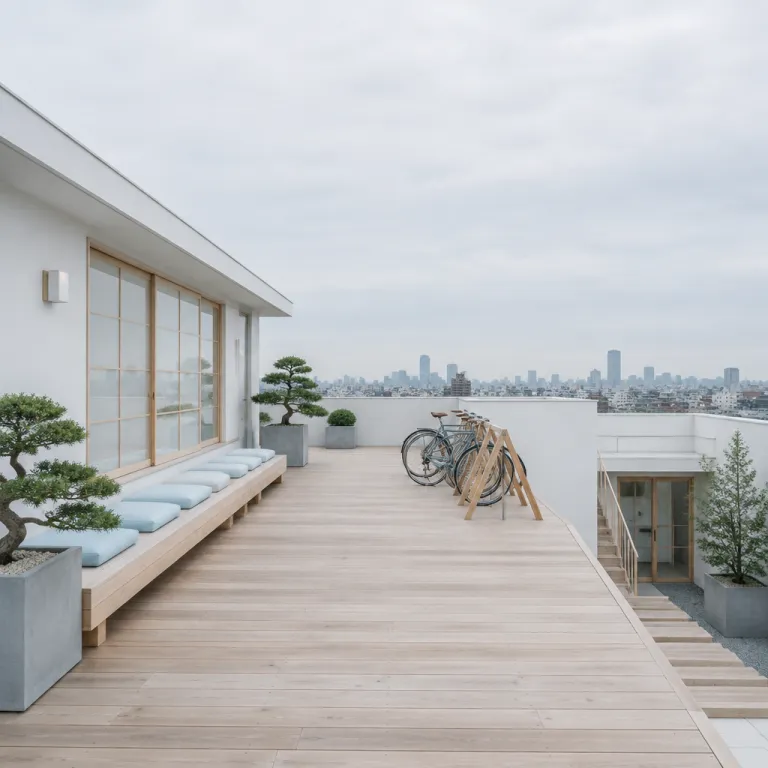
Why Osaka hostels now rival premium hotels for comfort
Osaka hostels have evolved into polished urban retreats that can rival a premium hotel in comfort. In central Osaka, many modern properties sit within a short five-minute walk of major stations yet still offer a calm atmosphere for a restorative stay. For travellers who usually book hotels, these elevated hostels in Osaka provide a refined alternative with thoughtful design, attentive service, and a level of comfort that feels familiar.
In districts such as Namba and Chuo, an upscale hostel in Osaka often features private rooms with hotel-style bedding, blackout curtains, and strong air conditioning. These rooms sit alongside dorms, so guests can choose between a private room or a shared room depending on budget and travel style. This mix allows Osaka hostels to welcome solo guests, couples, and small groups who might otherwise only consider traditional hotels for a city break.
Many premium hostels in Osaka now include a shared lounge that feels closer to a members club than a backpacker common room. You might find a quiet guest house style library corner, a co-working table with power outlets at every seat, and a bar with a curated sake list, all within the same public areas. When a hostel is located three or four minutes from a major subway hub such as Namba or Shinsaibashi, the combination of design, service, and location becomes especially compelling for discerning guests.
Travellers comparing an Osaka hostel with a mid-range hotel in the same neighbourhood often notice that reviews highlight social atmosphere and design details. While hotels in Osaka Japan tend to focus on room size and brand standards, hostel-style accommodation emphasises community, curated activities, and flexible shared spaces. For many guests, this balance of privacy and connection leads to good reviews that mention both comfort and memorable interactions, such as late-night conversations in the lounge or staff-led food walks.
Luxury-leaning Osaka hostels also invest in technology that streamlines the stay. Digital check-in, keyless entry to each room, and real-time messaging with the front desk help guests move between the city centre and their hostel base with minimal friction. These touches, combined with excellent reviews from previous guests on major booking platforms, give confidence to travellers who are new to the hostel concept but expect hotel-level reliability.
Choosing the right Osaka hostel by neighbourhood and style
Selecting the right Osaka hostel starts with understanding the character of each neighbourhood. Around Namba, you will find a dense cluster of Osaka hostels that cater to nightlife lovers who want a short walk to Dotonbori and its neon-lit canal. In contrast, a hostel located in Chuo ward often suits guests who prefer easy subway access and a slightly quieter stay near the city centre, with business districts and cultural sights within easy reach.
Travellers arriving via Shin-Osaka Station may prefer a hostel located seven to ten minutes’ walk from the Shinkansen platforms. This location reduces transfer time and makes it simple to take day trips across Japan, while still enjoying the social side of hostels in Osaka at night. When you read reviews, look for comments about the walk time to stations, whether the route is mostly covered or exposed, and how guests felt about the surrounding streets after dark.
Osaka Shinsaibashi is another strategic location, especially for travellers who prioritise shopping and dining. A hostel located five minutes from Shinsaibashi-suji arcade or Amerikamura allows guests to walk between cafés, fashion boutiques, and their room without relying heavily on trains. In this area, good reviews often mention a superb balance between lively streets and quiet rooms once you close the door, with double glazing and solid doors keeping the buzz outside.
When comparing a hotel with an Osaka hostel, pay close attention to how guests describe noise levels and privacy. Some properties offer capsule-style beds with curtains, individual reading lights, and personal lockers, which can feel surprisingly private for solo guests. Others lean towards a guest house layout with fewer rooms and a more intimate shared lounge, which suits travellers who value conversation over anonymity and enjoy chatting with staff about local ramen or hidden bars.
Price is not the only factor; quality of sleep and service matter just as much. Before you check availability, read both excellent reviews and more critical reviews to understand patterns rather than isolated complaints. For a deeper perspective on what you trade when you focus only on price, consider guidance from a detailed analysis of what you actually give up when you book the cheapest hostel in town, which highlights how service, safety, and comfort can vary widely even within the same neighbourhood.
Room types, amenities, and what “luxury” means in Osaka hostels
Luxury within Osaka hostels does not always mean large rooms; it often means smart use of compact space. Many premium hostels in Osaka Japan offer a mix of private rooms, semi-private pods, and classic dorm beds, each designed with clean lines and high-quality linens. A refined property may also provide a small view hotel style touch, such as a window seat overlooking the city centre skyline or a carefully chosen art print above each bed.
In higher-end Osaka options, air conditioning is individually controlled in each room, which is crucial during humid Osaka summers. Public areas are usually well ventilated, with quiet zones for work and livelier corners for conversation, so guests can choose their preferred ambience. When reviews mention that a hostel is located a few minutes from a busy street yet remains quiet inside, it is often due to thoughtful soundproofing, double-glazed windows, and a layout that separates social spaces from sleeping areas.
Bathrooms in a luxury Osaka hostel tend to feel closer to those in modern hotels. You may find rainfall showers, premium toiletries, hair dryers at every mirror, and separate grooming areas, which help multiple guests prepare at the same time without feeling rushed. Good reviews often highlight water pressure, cleanliness, and how often staff refresh shared facilities, because these details strongly influence the overall stay and can make a compact room feel far more comfortable.
Many Osaka hostels now include a shared lounge that doubles as a café or wine bar. During the day, guests use this space as a co-working hub, while in the evening it transforms into a social venue where travellers from across Japan and beyond exchange tips. This flexible use of public areas is one reason why hostel-style properties can feel more dynamic than many traditional hotels, which may have lobbies designed mainly for check-in and check-out.
Some premium hostels in Osaka Japan experiment with hybrid models that blend elements of a guest house, a design-forward hostel, and a compact hotel concept. These properties may offer a small number of private rooms with hotel-level amenities alongside dorms, allowing couples and solo guests to share the same social spaces. Travellers who appreciate this refined approach often also enjoy elegant hostels in Switzerland for a refined city and alpine stay, which follow a similar philosophy of comfort, community, and efficient use of space.
Reading reviews and using them wisely when you book
Online reviews are essential when choosing between Osaka hostels and hotels, but they require careful interpretation. Start by filtering for excellent reviews that mention specific details such as cleanliness, staff support, and actual walk times to stations. A property with consistently good reviews over many months usually indicates stable management and reliable service rather than a short-lived burst of enthusiasm after opening.
Look for patterns in how guests describe the location. If multiple guests mention that a hostel is located five minutes’ walk from Namba Station or Osaka Shinsaibashi, you can trust that the walk is manageable with luggage, even in busy Osaka Japan streets. When reviewers highlight that a property is located two or three minutes from a quieter back street, it may suit travellers who value rest over nightlife and prefer to sleep away from the main entertainment corridors.
Pay attention to how guests talk about the shared lounge and other public areas. Comments about a warm atmosphere, respectful noise levels, and helpful staff often signal a team that actively curates the guest experience. In contrast, repeated remarks about overcrowded rooms or neglected bathrooms suggest that the property may not match the expectations of travellers used to hotels, even if the photos look appealing.
Many review platforms allow you to filter by traveller type, such as solo guests, couples, or business travellers. For Osaka hostels, this filter is particularly useful, because a solo backpacker may value social events and pub crawls, while a couple might prioritise a quiet private room and late check-out. Reading reviews from guests similar to you helps align your expectations with the reality of the stay and reduces the risk of disappointment.
Before you check availability, compare how guests rate both hostels and hotels in the same Osaka neighbourhood. A hotel with solid but unremarkable feedback may feel less appealing than an Osaka hostel with superb community reviews and thoughtful design. When you see a mix of excellent reviews and a few moderate ones, read the management responses to gauge how seriously the team treats feedback, maintenance issues, and continuous improvement.
Essential amenities: from air conditioning to pets allowed policies
Climate control is non-negotiable in Osaka, so confirm that both rooms and public areas have effective air conditioning. Many premium Osaka hostels specify whether each room has individual controls or whether the system is central, which can affect comfort for light sleepers. Reviews that praise cool, quiet rooms during peak summer indicate that the property has invested properly in infrastructure rather than relying on minimal systems.
Connectivity and convenience also define a refined stay. Look for Osaka hostels that offer fast, free Wi-Fi throughout all public areas and within every room, not just in the shared lounge. Some properties go further by providing multiple charging points at each bed and universal adapters at reception, which frequent guests appreciate during multi-city trips across Japan.
Policies around pets allowed can vary widely between an Osaka hostel and a hotel. A few design-forward hostels in Osaka Japan now welcome small pets in designated rooms, often with a cleaning surcharge and clear house rules to protect other guests. If you travel with an animal companion, always check availability directly with the property and confirm which rooms or floors are pet friendly before you arrive.
Security features deserve close attention, especially in larger Osaka hostels near busy hubs like Namba or Shin-Osaka. Key card access to both the main entrance and each room, plus lockers for every guest, should be considered standard in a premium setting. Good reviews often mention feeling safe returning from the city centre late at night, which is a strong indicator of well-designed access control and attentive staff presence.
Some higher-end Osaka hostel properties add thoughtful extras that echo a compact hotel experience. These may include a small view hotel style rooftop terrace, complimentary toiletries, rental bicycles, or a curated city guide created by local staff. When guests highlight these touches in excellent reviews, it shows that the property understands how to blend hostel sociability with hotel-level comfort and local insight.
Planning your stay: booking strategies and pairing Osaka with other destinations
Planning a refined stay in Osaka starts with aligning your travel dates, preferred neighbourhood, and budget. Once you have chosen between Namba, Chuo, Shin-Osaka, or Osaka Shinsaibashi, shortlist three to five hostels and hotels that match your style. Then check availability across multiple nights, because room types and prices can shift quickly during festivals, school holidays, and major events in Osaka Japan.
When booking a premium Osaka hostel, consider reserving directly through the property website after comparing rates on major platforms. Direct booking sometimes unlocks small perks such as a free welcome drink in the shared lounge, a complimentary towel, or a late check-out, which enhance the overall stay. Always confirm whether taxes and service charges are included in the final room price before you commit, as policies can differ between booking engines.
Many travellers pair a stay in Osaka with other design-forward hostels in Japan and beyond. For example, you might combine a few nights in a central Osaka hostel with an extended trip to elevated coastal escapes at hostels in Maui, Hawaii, creating a contrast between urban energy and oceanfront calm. Others link Osaka with alpine properties in Europe, using a mix of guest house stays and compact hotels to maintain comfort while exploring diverse landscapes.
Flexible travellers can benefit from monitoring excellent reviews and last-minute deals. If a property in the city centre suddenly opens several rooms, you may secure a private room at a rate similar to a dorm bed during busier periods. In such cases, a nearby hotel option might still be more expensive, even though the hostel offers comparable comfort, strong air conditioning, and similar amenities.
As you refine your itinerary, remember that the right Osaka hostels can shape how you experience the city. A well-located property, just a few minutes’ walk from key subway lines, allows you to explore neighbourhoods by day and return easily to a calm, air-conditioned room at night. This balance of efficiency, comfort, and social connection is what sets the best Osaka hostel experiences apart for modern guests.
Key statistics about Osaka hostels and city stays
- Osaka welcomed around 11.1 million international visitors in 2019, and a growing share of these travellers choose hostels over hotels for at least part of their stay, according to data from the Japan National Tourism Organization and regional tourism surveys.
- Average private room rates in Osaka hostels are often 20 to 40 percent lower than comparable mid-range hotels in the same location, based on pricing analyses from major booking platforms that track seasonal averages.
- Properties within a five-minute walk of Namba or Osaka Station consistently achieve higher occupancy rates than those located more than a 15 minutes’ walk away, highlighting the importance of proximity to major transit hubs for both hostels and hotels.
- Guest satisfaction scores for design-focused hostels in Osaka Japan frequently exceed 8.5 out of 10 on leading review sites, which places them on par with many established city centre hotels and sometimes ahead on atmosphere.
- Hostels that offer strong air conditioning, free Wi-Fi, and well-maintained shared lounges receive up to 30 percent more excellent reviews than properties without these amenities, according to aggregated review data from global booking engines and meta-search tools.
FAQ about Osaka hostels for a premium stay
Are Osaka hostels suitable for travellers who usually book hotels?
Many Osaka hostels now offer private rooms with hotel-level bedding, strong air conditioning, and quiet layouts, which suit travellers who normally choose hotels. These properties combine comfort with social shared lounges and curated activities such as walking tours or tasting nights. Reading detailed reviews helps you identify which Osaka hostel best matches your usual hotel standards and preferred level of interaction.
Which Osaka neighbourhood is best for a first time hostel stay?
Namba is ideal if you want nightlife, food streets, and easy train connections within a short walk. Chuo and Osaka Shinsaibashi offer a balance of shopping, dining, and calmer side streets, which many first-time hostel guests appreciate. Travellers arriving via Shin-Osaka often prefer a hostel located ten minutes’ walk from the Shinkansen for convenient day trips to Kyoto, Kobe, or Hiroshima.
How far in advance should I book a premium Osaka hostel?
For peak seasons and major events, booking an Osaka hostel at least four to six weeks in advance is prudent. Private rooms in high-demand locations such as Namba and the city centre often sell out first. If your dates are flexible, you can sometimes find last-minute availability, but choice of room type may be limited and popular weekends can disappear quickly.
Do Osaka hostels offer facilities comparable to hotels?
Many Osaka hostels provide facilities that overlap with compact hotels, including secure key card access, free Wi-Fi, laundry rooms, and well-designed bathrooms. Some also feature rooftop terraces, cafés, or bars that feel similar to a small view hotel lounge. The main difference is usually the presence of dorm rooms and more social public areas, which encourage interaction rather than a purely private stay.
Can I stay in an Osaka hostel with a pet?
Only a limited number of Osaka hostels allow pets, usually in specific rooms with clear rules and cleaning fees. If pets allowed is essential for your trip, contact the property directly before you check availability online and confirm any size limits or crate requirements. In some cases, a pet-friendly hotel option in Osaka may offer more suitable facilities for animals and their owners, such as outdoor relief areas or larger rooms.