From front desk to shared table: how hostel communal design rewrites arrival
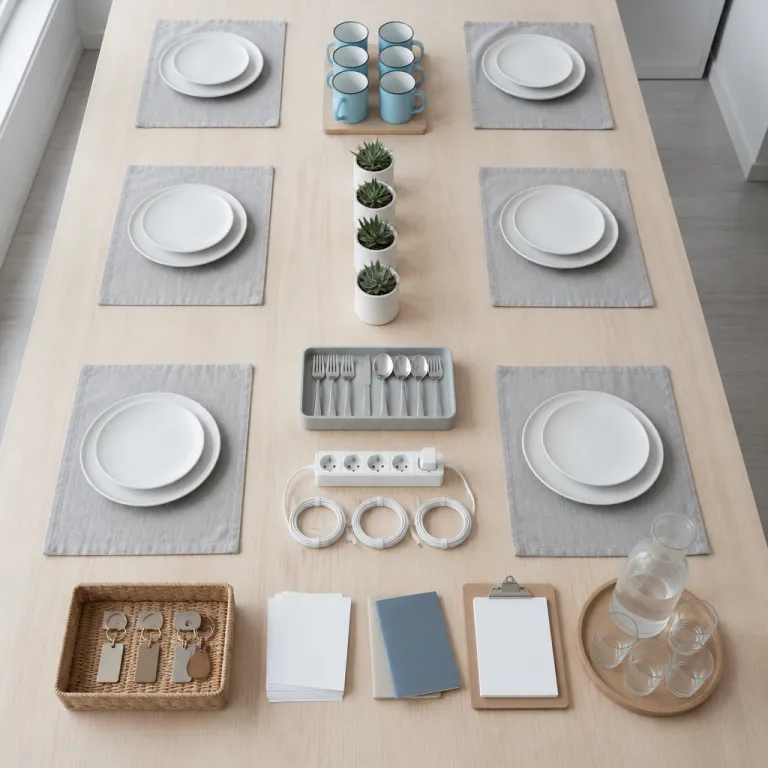
You notice it the moment you step inside a modern design hostel. Instead of a raised counter and a queue of tired travelers, a single long table anchors the space and quietly resets expectations for your stay. This shift in hostel communal design is not cosmetic; it changes how guests, staff, and the local community relate to one another.
Architects and hostel designers have embraced open spaces where check in, coffee, and conversation share the same generous surface. Hospitality consultants describe a clear pattern in the industry, as many hostels remove traditional lobbies and replace them with communal tables that double as coworking space and informal living rooms. When asked why this is happening, one expert answer captures the logic with precision : “Why are hostels removing lobbies? To foster community through shared spaces.”
For couples used to hotel arrivals, the first minutes in a youth hostel can feel surprisingly relaxed. Staff sit at the same table as guests, tablets replace fixed terminals, and the design elements encourage eye contact rather than a transactional handover of passports. This more social interaction at the point of arrival sets the tone for the entire guest experience, especially for travelers seeking a stay that feels both budget friendly and quietly luxurious.
The single shared table also solves a spatial puzzle that has long challenged hostels. Instead of dedicating one space to reception, another to a bar, and a third to common areas, the design concentrates energy in one flexible zone. In practice, this means more rooms can be oriented around natural light, while the central communal space becomes the heart of daily living, from early morning coffee to late night cultural exchange with the local community.
Why one table works: removing barriers and building real community
The genius of the single table lies in how it erases hierarchy. When staff and guests share the same space, the traditional power dynamic of hotel reception softens, and conversations start more easily between solo travelers, couples, and small groups. This is hostel communal design used as social engineering, and when it is done well, the result feels effortless rather than forced.
Modern hostels design their ground floors as fluid coliving spaces where functions overlap throughout the day. Morning light hits the table for quiet laptop work, lunchtime brings local food tastings, and evenings shift toward wine, board games, and shared travel planning. Studies in hospitality design suggest that around sixty percent of hostels adopting communal tables report stronger guest engagement, a figure that aligns with what frequent travelers see on the road.
For travelers seeking meaningful social interaction, this layout matters more than the number of bunk beds in the rooms. The common areas are no longer corridors between the bar and the dorms ; they are the main stage where the hostel design either encourages or blocks conversation. A detailed look at how the common room shapes the guest experience can be found in this analysis of how social design makes a hostel genuinely communal, which underlines why the table often matters more than the mattress.
Couples who might once have avoided a youth hostel now find that a well considered design hostel can feel more intimate than a mid range hotel. The shared table offers a choice : join the community for a glass of natural wine, or sit at the quieter end with a book while still feeling part of the living rhythm of the place. In both cases, the hostel communal design respects different comfort levels while still offering a clear invitation to connect with other guests and the local cultural scene.
Sound, light, and materials: making shared spaces comfortable for couples
For a couple booking a premium hostel stay, the question is simple. Can a space built for community also feel calm, elegant, and genuinely comfortable for two people who want privacy after a long day of travel ? The answer depends less on the number of rooms and more on the acoustic and visual decisions behind the hostel communal design.
Thoughtful hostels use layered lighting to shape different moods around the shared table and adjacent spaces. Pendant lamps focus warm light on the central communal surface, while softer wall lights and floor lamps create quieter pockets for couples who prefer a more private experience. Natural daylight is treated as a design element in its own right, with large windows, skylights, and sometimes green roofs guiding the rhythm of living from breakfast to late evening.
Sound is just as critical as light in these coliving spaces. Designers specify acoustic panels, heavy curtains, and soft furnishings to absorb noise, so that social interaction at one end of the table does not overwhelm guests reading or working at the other. When bunk beds sit close to common areas, double doors and sound locks protect sleep, while private rooms for couples are often placed one or two floors above the main communal space.
Material choices also signal the level of luxury in a hostel design. Reclaimed timber, stone, and tactile fabrics give the shared table and surrounding spaces a grounded, eco friendly character that feels closer to a high end hotel lounge than to a traditional youth hostel. For couples comparing accommodation options, a detailed breakdown of why the room next door sometimes beats the dorm is explored in this guide to why private rooms in hostels are increasingly winning over classic dorm beds, especially when combined with refined communal areas.
Restorative luxury on a hostel budget: biophilic and eco friendly design
Restorative luxury started in the hotel world, but it now shapes hostel communal design in very concrete ways. The idea is simple : guests should leave feeling more rested, grounded, and connected than when they arrived. For couples who value wellness as much as social energy, this approach makes hostels a serious alternative to traditional hotels.
Biophilic design brings nature into interior design through plants, natural materials, and views of the outdoors. In hostels, this often means a shared table framed by indoor trees, herbs growing in planters along the windows, and a rooftop garden that doubles as a quiet retreat from the buzz of the city. Green roofs and rainwater collection systems are no longer marketing gimmicks ; they are part of a broader eco friendly strategy that reduces energy use while making spaces more pleasant for guests.
Many hostels offer filtered water stations, low VOC paints, and energy efficient lighting as standard, aligning with the expectations of travelers seeking responsible accommodation options. Couples who care about sustainability can now choose a design hostel where the communal spaces feel both refined and environmentally conscious. The same table where you check in might later host a workshop on local cultural traditions or a tasting of wines from nearby producers, deepening the sense of place.
From a budget friendly perspective, restorative luxury in hostels is about smart allocation of resources. Instead of investing heavily in ornate lobbies, owners focus on one generous communal space with high quality materials, comfortable seating, and flexible layouts that work for coliving, coworking, and shared dining. For many travelers, this balance between cost, comfort, and community delivers a guest experience that rivals far more expensive hotel stays.
Instagram versus everyday living: testing hostel communal design in real time
Scroll through social media and you will see plenty of photogenic hostels. Long tables under statement lighting, sculptural staircases, and carefully styled common areas dominate the feed, but the real test of hostel communal design happens at 08.00 on a rainy Tuesday. That is when couples, solo travelers, and remote workers all compete for the same space, and the layout either flexes gracefully or reveals its limits.
Design elements that look striking in photos can sometimes undermine daily living. A concrete bench may photograph well, yet feel unforgiving during a three hour work session, while a dramatic light installation might cast awkward shadows on plates during dinner. The most successful hostels design their communal spaces with both aesthetics and ergonomics in mind, ensuring that chairs, tables, and circulation routes support long, comfortable use.
For travelers seeking a premium yet budget friendly stay, the key is to read beyond the images. Look for signs that the space works in different modes : breakfast buffet, quiet afternoon coworking, lively evening drinks, and late night board games. Reviews that mention how easy it is to find a seat, plug in a laptop, or have a private conversation at the edge of the community are more revealing than any single photograph.
Hostel stay specialists often distinguish between properties that are genuinely social and those that feel like a cheap hotel with weaker plumbing and a few bunk beds. A deeper exploration of this difference appears in this editorial on what separates a refined hostel from a basic hotel with poor infrastructure, which argues that the quality of the communal table and surrounding spaces is a decisive factor. For couples, this means choosing hostels where the design supports both shared moments and quiet time, rather than chasing the most dramatic interior for a single photo.
How to choose a one table hostel for your next couple stay
When you filter hostels for your next trip, start by studying the ground floor plan. A clear photo of the shared table, adjacent common areas, and nearby bar or kitchen will tell you more about the guest experience than any list of amenities. Look for spaces that feel generous, with enough room for both social interaction and quieter corners.
Pay attention to how the hostel describes its communal and coliving spaces. Phrases about community dinners, local cultural events, and collaborations with the local community usually signal that the design hostel is serious about cultural exchange rather than just filling beds. If the property highlights eco friendly features such as natural materials, rooftop gardens, or energy efficient systems, you can expect a more thoughtful approach to both design and daily living.
Room types matter as much as shared spaces for couples. Many hostels offer private rooms with hotel level bedding and ensuite bathrooms, positioned a short walk from the main communal space so you can move easily between intimacy and community. Check whether bunk beds are limited to specific rooms or whether mixed accommodation options coexist on the same floor, as this affects noise levels and privacy.
Finally, read reviews from other couples and solo travelers who mention the shared table specifically. Comments about staff joining guests for coffee, spontaneous group dinners, or relaxed coworking sessions indicate that the hostel communal design is working as intended. When hostels design their spaces around one generous table, the best of the industry emerges : a place where travel, community, and comfort meet in a way that feels both human and quietly luxurious.
Key statistics on communal tables and hostel design
- According to Hospitality Design Magazine, around 60 % of hostels adopting communal tables report stronger guest connections, highlighting how a single shared space can outperform traditional lobbies in building community.
- Industry surveys show that hostels with open plan common areas and flexible coliving spaces often achieve higher guest satisfaction scores than comparable properties with closed reception desks and fragmented rooms.
- Global hospitality design reports indicate that natural lighting and biophilic design elements in communal spaces can reduce perceived stress levels for guests, which is especially valuable for couples on multi city travel itineraries.
- Data from sustainable hospitality initiatives suggest that eco friendly features such as energy efficient lighting and low VOC materials in hostel communal design can lower operating costs while improving indoor air quality for guests.
FAQ about hostels designed around one shared table
Why are more hostels removing traditional lobbies ?
Many hostels are removing traditional lobbies to create more social, flexible spaces where check in, coworking, and dining happen around one shared table. This hostel communal design encourages interaction between guests and staff, reduces unused space, and aligns with a broader industry shift toward community focused living environments.
Are one table hostels suitable for couples seeking privacy ?
One table hostels can work very well for couples, provided the property offers well insulated private rooms and thoughtful zoning between communal areas and sleeping spaces. The shared table gives you access to a lively community when you want it, while a good interior design plan ensures that your room remains a quiet retreat.
How does a shared table improve the guest experience for solo travelers ?
For solo travelers, a central communal table acts as a natural meeting point where conversations start easily over coffee, laptops, or shared meals. This reduces the social friction of approaching strangers in fragmented spaces and often leads to more meaningful cultural exchange with both other guests and the local community.
What should I look for in the design of communal spaces before booking ?
Before booking, examine photos of the common areas to see how the shared table relates to the bar, kitchen, and lounge zones. Look for comfortable seating, good lighting, visible power outlets, and signs of eco friendly materials, as these design elements indicate that the hostel has considered both aesthetics and everyday usability.
Do hostels with communal tables still feel budget friendly ?
Hostels with communal tables often remain budget friendly because they concentrate investment in one high quality space rather than multiple smaller rooms. This allows owners to offer competitive rates while still delivering a premium guest experience that rivals more expensive hotel stays, especially for couples and travelers seeking both comfort and community.