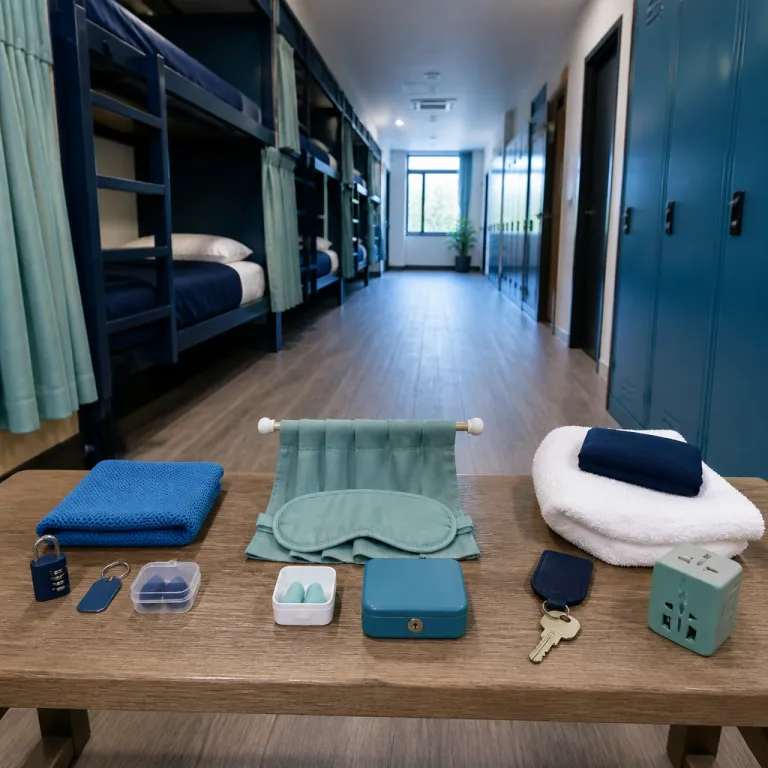
How to use this hostel room types guide for a premium yet budget friendly stay
Choosing the right hostel room type shapes your entire stay. A mixed dorm, a female only dorm, or a private room each creates a different rhythm for your nights and your days. This hostel room types guide is written for travelers who like the social energy of hostels but expect hotel level comfort, thoughtful amenities, and a sense of style.
Think of hostels as curated accommodation options rather than a single budget category. The best types of hostels now combine the warmth of a social room hostel with the privacy of hotel style private rooms and double beds. Many usa hostels, from New York to Seattle, now operate as hybrid hostel hotel properties where dorm rooms, private rooms, and family suites share the same lobby and bar.
For premium families and discerning budget travelers, the question is not whether to book a hostel, but which hostel room will deliver a comfortable stay. Mixed dorm rooms might suit your teenager, while a quiet private room with ensuite bathroom may be better for parents who need real rest. This guide walks through the pros and cons of each room type so you can match your travel plans, your budget, and your expectations for space and privacy.
Mixed dorm rooms: social energy, lowest price, most variables
Mixed dormitory rooms are usually the cheapest hostel rooms per night. In a mixed dorm, beds are sold individually, and the room is shared by guests of all genders, often in bunk beds that maximise space. For many budget travelers, this room type is the classic hostel experience, with late night conversations, shared snacks, and a constant flow of new travelers.
The pros and cons are clear. Mixed dorm rooms are budget friendly and ideal if you travel solo and want to meet people quickly, but they are also the loudest and least predictable option at any time of night. Light sleepers, families with children, and solo female travelers who prioritise safety and privacy usually find a mixed dorm hostel room too intense for more than a short stay.
When you browse listings on a premium booking website, read the mixed dorm description carefully. Check the maximum number of beds in the hostel room, whether the bathroom is shared or ensuite, and whether hostels provide large lockers for each guest. For a more comfortable stay, look for mixed dorm rooms with fewer bunk beds, blackout curtains around each bed, and clear house rules about quiet hours in the shared space and common areas, which you can evaluate using detailed guides to what good hostel common areas look like.
Female only dorms: safety, comfort and a quieter social rhythm
Female only dorm rooms exist because many solo female travelers want the social side of hostels without compromising on safety or comfort. These dormitory rooms are reserved for women, and they often feel calmer, cleaner, and more respectful than large mixed dorms. For mothers traveling with older daughters, a female only dorm can be a reassuring compromise between a private room and a full family suite.
Demand for female only dorms has grown steadily as hostels offer more nuanced accommodation options. Major platforms such as Hostelworld now allow travelers to filter by women only dorms, mixed dorms, private rooms, and ensuite facilities, which makes this hostel room types guide especially relevant when you compare room type choices. In many usa hostels, the female only dorm is located on a separate floor or wing, with better lighting, secure key card access, and bathrooms shared only with other women.
From a pros and cons perspective, female only dorms usually cost slightly more per night than mixed dorm rooms but less than a private room. You still share the room hostel style, often in bunk beds, but the atmosphere tends to be more considerate, with less late night noise and more informal support between guests. When you read listings, look for details about amenities such as individual reading lights, under bed storage, and hooks or shelves, and pay attention to photos of the shared space and the way hostels provide privacy curtains or partitions.
Small dorms and family friendly shared rooms: the sweet spot between price and sanity
Not all dorms are created equal, and small dorm rooms with four to six beds often deliver the best balance between budget and sleep quality. These hostel rooms feel more like an oversized private room shared with a few strangers than a chaotic hall of bunk beds. For premium families or small groups of friends, booking all the beds in a small dormitory room can effectively turn it into a private space at a budget friendly rate.
When you compare types of hostels, pay attention to how many small dorms they offer and where they are located within the building. A small mixed dorm at the end of a corridor, away from the bar and common room, will usually be quieter at night than a large dorm next to the lobby. Some usa hostels now design small dorms with double beds on the lower bunks, which works beautifully for couples or a parent and child who prefer to share one bed while still enjoying the social experience of a hostel stay.
Families should read the pros and cons of each room type with care. A four bed dorm with ensuite bathroom can be ideal if you reserve all four beds, because you keep control over who enters the room hostel wise and still benefit from shared amenities outside. When you browse photos, look for thoughtful interior design touches such as warm lighting, local artwork on the walls, and flexible furniture layouts, which you can explore further in features about how hostels use local artists to build identity.
Private rooms and ensuite options: when the premium is worth paying
Private rooms in hostels have evolved dramatically, and many now rival compact hotel rooms in comfort and style. A private room usually includes either twin beds or double beds, sometimes a sofa bed for a child, and often an ensuite bathroom. For couples, business travelers, and parents who need a reliable night of sleep, this room type is often worth the higher nightly rate.
From a value perspective, the pros and cons depend on how many people share the private room. A family of four in a quad private room may pay less per person than four separate beds in a premium small dorm, especially in high season. When hostels offer both private rooms and dormitory rooms under one roof, you can tailor your stay night by night, perhaps starting in a dorm for social energy and then upgrading to a private room for the final nights of your travel.
The ensuite question matters for both private rooms and shared dorms. An ensuite bathroom adds convenience and privacy, especially for solo female travelers and families with young children, but it also raises the price and slightly reduces the social interaction that happens in shared corridors. When you read listings on a luxury oriented booking website, check whether hostels provide clear information about bathroom type, towel policies, and extra amenities such as coffee machines, mini fridges, or premium toiletries, which can make a hostel stay feel closer to a design forward hotel experience.
Reading listings like an insider: bed counts, layouts and subtle design cues
Most travelers scan hostel listings too quickly, focusing only on price per night and a few photos. A more careful reading of each hostel room description reveals how your stay will actually feel once you arrive. This hostel room types guide encourages you to read like an insider, paying attention to bed count, bathroom layout, and the way space is organised.
Start with the basics. Check whether the room hostel description specifies bunk beds or standard beds, and whether double beds are available in private rooms or only in certain dorm rooms. Look for square metre information when possible, because a slightly larger hostel room often means more breathing space between beds, better luggage storage, and a calmer atmosphere for guests who value a comfortable stay.
Then move to the details that separate premium hostels from generic accommodation options. High quality usa hostels and European properties often highlight design elements such as custom built bunks, integrated reading lights, and individual shelves, which signal investment in guest comfort rather than just bed count. When a listing mentions adaptive reuse buildings such as converted factories, churches, or prisons, you can cross reference with in depth features on hostels in character filled historic buildings to understand how architecture shapes the overall experience.
Matching room types to your trip: who should book what, and when
Once you understand the main hostel room types, the real work is matching them to your specific trip. A family on a ten night road trip across the usa will have different needs from a solo female traveler on a three night city break. The art lies in mixing room types across your itinerary so that your budget, your energy levels, and your social appetite stay in balance.
For short stays of one or two nights, a mixed dorm or small dormitory room can be a smart budget friendly choice, especially if you arrive late and leave early. For longer stays of three nights or more, many travelers find that a private room or a small dorm with fewer beds delivers better rest and a more sustainable travel rhythm. Parents often book a private room for themselves and a small dorm for older teenagers in the same hostel, which allows everyone to enjoy the social experience while keeping clear boundaries and a reliable base.
Think in terms of pros and cons for each segment of your journey. In a party heavy city, you might choose a quiet private room in a social hostel so you can dip into the shared spaces when you want, then retreat to a calm, well designed space. In a relaxed coastal town, a four bed dorm with friends or family can feel like a holiday house, especially when hostels provide generous communal kitchens, terraces, and lounges that extend your private space into the wider property.
Key figures that shape modern hostel room choices
- Private room occupancy in hostels grew by 2.8 percent while dorm occupancy grew by 2.6 percent, according to Cloudbeds, showing that demand is diversifying across room types rather than shifting entirely away from shared spaces.
- Major booking platforms such as Hostelworld now allow travelers to filter by women only dorms, mixed dorms, private rooms, and ensuite facilities, which makes it easier to align room type with safety preferences and budget constraints.
- Hybrid hostel hotel concepts increasingly offer everything from sixteen bed dorms to intimate double rooms under one roof, expanding the range of accommodation options for families and premium budget travelers.
- Smaller dormitory rooms with four to six beds often achieve higher review scores for sleep quality than very large dorms, reflecting the balance between social interaction and rest that many guests seek.
FAQ about hostel room types for premium and family travelers
Are private rooms in hostels as comfortable as hotel rooms ?
Many modern hostels provide private rooms that match compact hotel rooms in comfort, with quality mattresses, double beds or twin beds, and ensuite bathrooms. The main difference is usually in the surrounding environment, which remains more social and informal than a traditional hotel. For families and couples, these private rooms often deliver an excellent balance between price, privacy, and access to shared amenities.
Is a mixed dorm safe for solo female travelers ?
Safety in mixed dorms varies by property, but many solo female travelers prefer women only dorms for extra peace of mind. Female only dormitory rooms limit access to women, often include better lighting and security, and tend to have a calmer atmosphere at night. When you book, read recent reviews that mention safety, lockers, and staff presence, and choose hostels that provide clear security measures such as key card access and staffed reception.
How many nights should I stay in a dorm before upgrading to a private room ?
Most travelers find that one to three nights in a dorm is comfortable, especially in small dorm rooms with good design and respectful guests. For longer trips, alternating between dorms and private rooms can help you manage both budget and energy levels. Families often choose dorms for short city stops and private rooms for longer stays where rest and routine matter more.
What should I check in a hostel listing before booking with children ?
When traveling with children, check the room type, bed configuration, and bathroom setup carefully. Look for private rooms or small dorms where you can book all beds, and confirm whether bathrooms are ensuite or shared. Reviews that mention noise levels, cleanliness, and family friendliness are especially valuable, as they reveal how well the hostel manages both social spaces and quiet hours.
Are hostels still a good option for budget travelers who want comfort ?
Modern hostels offer a wide range of room types, from very affordable mixed dorms to stylish private rooms, which makes them ideal for budget travelers who still value comfort. By choosing the right hostel room type and reading listings carefully, you can enjoy hotel level amenities and design at a lower price point. The key is to balance pros and cons for each option and align them with your travel style, privacy needs, and expectations for a comfortable stay.