When the cheapest hostel price quietly rewrites your whole trip
Sorting by lowest price feels rational when you plan any travel. The question that matters more than “is the cheapest hostel worth it” is “what does that saved ten dollars per night quietly remove from your stay”. For a premium family used to a comfortable hotel room, that trade often shows up as lost sleep, longer commutes, and a thinner sense of safety.
Across many cities, the very cheapest hostel options sit at the edge of the map, where land is cheaper and infrastructure more fragile. Average hostel price per night hovers around 20 USD globally, yet the rock bottom tier in some parts of Southeast Asia or Eastern Europe can fall far below that, and the cost savings often echo in weaker maintenance, thinner mattresses, and fewer staff on duty. When dorm average daily rates declined while occupancy rose, operators in the most aggressive hostels budget segment responded by trimming cleaning schedules, shrinking common areas, and stretching quiet hours policies until they barely exist.
For families comparing budget hotels and hostels, the calculus is not only about the nightly cost of rooms. A budget hotel may offer a smaller hotel room but steadier hot water, thicker walls, and a predictable breakfast, while the cheapest hostel in town might swap those comforts for a crowded hostel dorm and a single dorm bed under a flickering light. The smartest move is rarely to stay hostel at the very bottom of the price list, but to treat that low number as a warning sign and then check what you would gain by moving one or two price steps up.
The location tax: when a cheaper hostel means paying in time
On a map, the cheapest hostel can look only three or four metro stops from the center. In reality, that hostel budget choice may sit beyond reliable late night transit, in a district where taxis are your only way back after dinner with the kids. Multiply that taxi cost by several nights and the original price advantage over mid range hostels or a modest budget hotel evaporates quickly.
Families planning a refined Côte d’Azur stay, for example, often compare elegant hostels in Nice with cheaper hostels far inland, and the difference in daily rhythm is stark. A central property with well designed private rooms lets you walk to the promenade, return easily for a child’s nap, and head out again for an evening ice cream, while the cheapest hostel on the outskirts locks you into long tram rides and early curfews. Over a four night stay, that extra hour or more of commuting each day quietly steals time from beaches, museums, and the kind of slow breakfasts that make a family trip feel like a holiday rather than a logistics exercise.
Location also shapes how safe solo travelers and solo female guests feel when returning after dark, especially in unfamiliar cities. A slightly higher price for a private hostel in a well lit, mixed use neighborhood can be worth more than any free breakfast or welcome drink, because it reduces the stress of every late night walk back to your room. When you ask whether the cheapest hostel worth it for your family, factor in not only the posted price but also the invisible location tax you will pay in time, taxis, and mental bandwidth.
The sleep tax: dorm beds, quiet hours, and the real cost of rest
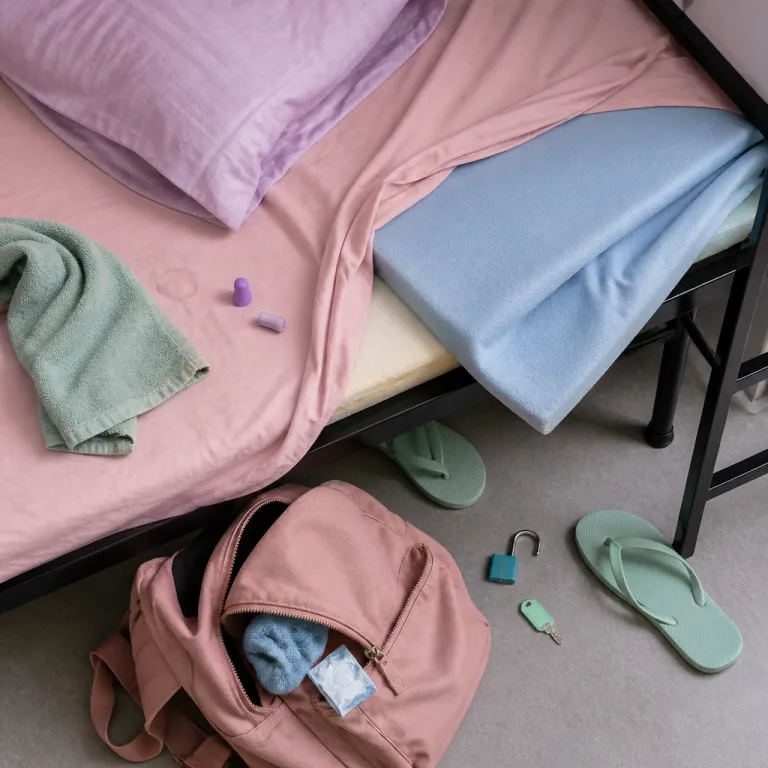
Sleep is where the cheapest hostel usually extracts its highest fee. Ultra low cost hostels often rely on large dorm rooms with 10 to 16 dorm beds, thin mattresses, and minimal sound insulation between common areas and sleeping spaces. For a family used to a calm hotel room, that can turn every night into a negotiation between earplugs, eye masks, and the unpredictable habits of strangers.
In well run premium hostels, quiet hours are enforced with a light but firm touch, and staff gently move late night conversations back to the bar or terrace. At the very bottom of the price range, quiet hours may exist only as a line on the wall, with no one on the night shift to enforce them and no separation between the bar, the reception, and the nearest hostel dorm. When you see reviews mentioning “party until 4 a.m.” or “music in the corridor all night”, assume that the cost of that cheaper bed will be paid in groggy mornings and shortened sightseeing days.
Families and solo travelers alike often do better in a small dorm or a reasonably priced private room than in the absolute cheapest dorm bed available. In destinations like southern Spain, where elegant social hostels balance bar life with rest, paying a little more for a four bed dorm or a family style private room can mean your children actually sleep and you wake ready to explore. The question is not only whether the cheapest hostel worth it for your wallet, but whether the hostel budget you set allows for the kind of rest that keeps everyone patient, curious, and kind.
The safety and service tax: what disappears when margins get too thin
Safety in a hostel is rarely about dramatic incidents and more about the quiet systems that either exist or do not. At the lowest price point, those systems are often the first to be trimmed, because a 24 hour reception, sturdy lockers in all rooms, and well lit corridors cost money every single night. When you choose the absolute cheapest hostel in town, you are often choosing a place where those investments have been postponed again and again.
Families should look closely at whether a hostel offers staffed reception around the clock, individual lockers large enough for a suitcase, and clear procedures for late check in and emergency situations. In some ultra cheap hostels, keys are left in open boxes, doors to private rooms do not close properly, and stairwells feel neglected, which can be unsettling for solo female travelers and parents alike. Safety varies; research reviews and security features.
Service quality follows a similar pattern, especially in markets like Southeast Asia where competition on price is fierce and hostels budget operators feel constant pressure to shave costs. When margins shrink, daily cleaning of dorm beds may become every second day, breakfast might be reduced to instant coffee and white bread, and staff presence in common areas can vanish after sunset. Asking whether the cheapest hostel worth it means asking whether you are comfortable with fewer eyes on the property, slower responses when something breaks, and a thinner layer of human attention between your family and the city outside.
The social and comfort tax: when a hostel becomes just a cheap hotel
Many travelers choose hostels over hotels because of the promise of connection. The best hostels design generous common areas, shared kitchens, and thoughtful programming that make it easy for solo travel veterans, couples, and families to meet without forced fun. When prices plunge too low, those spaces and activities are often the first luxuries to disappear.
In the race to offer a cheaper night, some operators strip their properties back to bare corridors of rooms and a small reception desk, turning what should be a social hostel into something closer to a no frills hotel with bunk beds. You might still pay less than at nearby budget hotels, but you lose the chance for your children to play cards with a backpacker from Osaka in the lounge or for you to share restaurant tips with another parent over a late breakfast. Over several nights, that absence of community can make staying hostel feel oddly isolating, especially for solo travelers who rely on shared spaces to turn a city from anonymous to welcoming.
Comfort follows the same curve. A private hostel that charges a little more can afford better mattresses, thicker towels, and air conditioning that actually cools the room, while the very cheapest hostel in town may offer only a fan and a window that will not close. For families who usually book hotels hostels hybrids or higher end budget hotels, the question “is the cheapest hostel worth it” should include whether you are willing to trade away both social richness and physical comfort for a small saving on the nightly price.
Finding the value floor: how to choose smart, not just cheap
There is usually a sweet spot in every city where value peaks before quality drops off a cliff. In practice, that sweet spot often sits around the second or third cheapest hostel in a given neighborhood, where the price remains friendly but the operator still has enough margin to invest in staff, cleaning, and design. For premium families who usually lean toward a hotel, this is where hostels can genuinely outperform budget hotels on both atmosphere and comfort.
Start by filtering your booking platform not only by price but also by rating, and then read reviews with a focus on sleep, safety, and cleanliness rather than only on vibe. Pay attention to how guests describe rooms, whether private rooms feel like a true hotel room or just a dorm with a door, and whether dorm beds have curtains, individual lights, and power outlets. When you see repeated praise for quiet hours, helpful staff, and well maintained common areas, you are usually looking at a property that has chosen to sit above the absolute bottom of the market and protect the guest experience.
Families planning Southeast Asia itineraries, for example, often find that spending just 5 to 10 USD more per night than the cheapest option unlocks hostels with family friendly private rooms, reliable breakfast, and pools or gardens where children can unwind. The same pattern holds in coastal destinations like Costa Rica, where refined hostels near the beach can offer a better overall stay than many mid tier hotels once you factor in location and atmosphere. The real question is not whether the cheapest hostel worth it, but where your personal value floor lies — the point at which saving another few dollars would start to erode the trip you actually want.
How premium families can use hostel tools without losing hotel standards
For families used to hotels, the world of hostels can feel opaque at first glance. Yet the same tools that budget travelers use — booking websites, travel apps, and detailed guest reviews — can help you filter quickly for properties that match your standards while still offering better value than many hotels. The key is to approach hostel booking with the same rigor you would apply to choosing a high quality budget hotel in a new city.
Begin by deciding whether you want a private room, a family room, or a small dorm, and then filter out any hostel that cannot guarantee those room types for your dates. Look for properties that clearly state quiet hours, outline security measures, and show photos of common areas that feel welcoming rather than improvised, because those details signal a professional équipe behind the scenes. When you compare cost across hotels hostels, remember to factor in extras like breakfast, linen fees, and late check out charges, as these can tilt the equation in favor of a slightly more expensive but more transparent stay.
For coastal or resort style trips, curated guides to refined hostels can be especially useful, as they highlight properties where design, service, and social life align with premium expectations. In Costa Rica, for instance, some coastal hostels combine private rooms with resort level pools and thoughtful programming, offering a compelling alternative to traditional hotels for families who value both comfort and connection. Used this way, the hostel ecosystem becomes less about chasing the cheapest hostel worth it and more about finding the specific property where your family’s need for space, safety, and atmosphere meets a fair, sustainable price.
Key figures that reshape how you think about the cheapest hostel
- Dorm average daily rates declined by 8.2 percent globally even as occupancy rose, a combination that has pushed some operators into a race to the bottom on cost cutting, especially in cleaning and staffing.
- Global hostel prices typically range from 15 to 40 USD per night, and properties clustered at the very bottom of that range are statistically more likely to sit in peripheral locations with weaker infrastructure and fewer amenities.
- The average hostel price per night of around 20 USD worldwide masks wide regional variation, with Southeast Asia often offering the lowest prices but also the greatest spread in quality between the cheapest hostel and mid tier options.
- Roughly 85 percent of hostels now provide free Wi Fi, which means that connectivity is no longer a reliable differentiator between the cheapest hostel and more premium properties, shifting the focus to sleep quality, safety, and social spaces instead.
- Rising margin pressure has been identified as one of the key emerging trends in the hostel sector, and in the most aggressively priced properties this has already translated into reduced common area programming, shorter reception hours, and less frequent room cleaning.
FAQ about choosing the cheapest hostel in town
Are cheap hostels safe for families and solo travelers ?
Safety in cheap hostels varies widely, so you need to check each property rather than rely on price alone. Look for 24 hour reception, secure lockers in all rooms, and strong reviews mentioning how safe solo female travelers felt on site. Safety varies; research reviews and security features.
What should I check in reviews before booking the cheapest hostel ?
Focus on recent reviews that mention sleep quality, cleanliness, and staff presence at night, because these are the areas where the cheapest hostel often cuts corners. Pay attention to comments about noise, broken lockers, or unreliable hot water, and treat repeated complaints as a red flag. When you see consistent praise for quiet hours, helpful staff, and clean dorm beds, the hostel is more likely to offer good value even if it is not the absolute cheapest option.
Do cheap hostels usually include breakfast in the price ?
Many low cost hostels either charge extra for breakfast or offer only a very simple spread, such as toast and instant coffee. When comparing the cheapest hostel with slightly more expensive competitors, factor in the daily cost of feeding your family elsewhere, as a generous included breakfast can quickly offset a higher nightly rate. Always check the booking details carefully for hidden fees related to linen, towels, or breakfast before you commit.
Can I find quiet hostels if I am sensitive to noise ?
Yes, you can find quiet hostels, but they are rarely the very cheapest option in town. Look for smaller dorms, clear quiet hours policies, and reviews that mention a calm atmosphere rather than constant parties. Choosing a private room in a well rated hostel often provides a better balance of price and rest than booking the lowest priced dorm bed available.
Is it better to book a budget hotel than the cheapest hostel ?
A budget hotel can be a better choice if you prioritize privacy, predictable service, and a consistent level of comfort, especially when traveling with children. However, a well run hostel with good private rooms and strong social spaces can offer more character and better locations than many budget hotels at a similar cost. The key is to compare specific properties, not categories, and to avoid assuming that the cheapest hostel worth it simply because the number on the screen is lower.
References
- Cloudbeds, global hostel performance and pricing trends report.
- Hostelworld, global hostel guest preferences and amenity data.
- Hostelz, international hostel price index and regional comparisons.