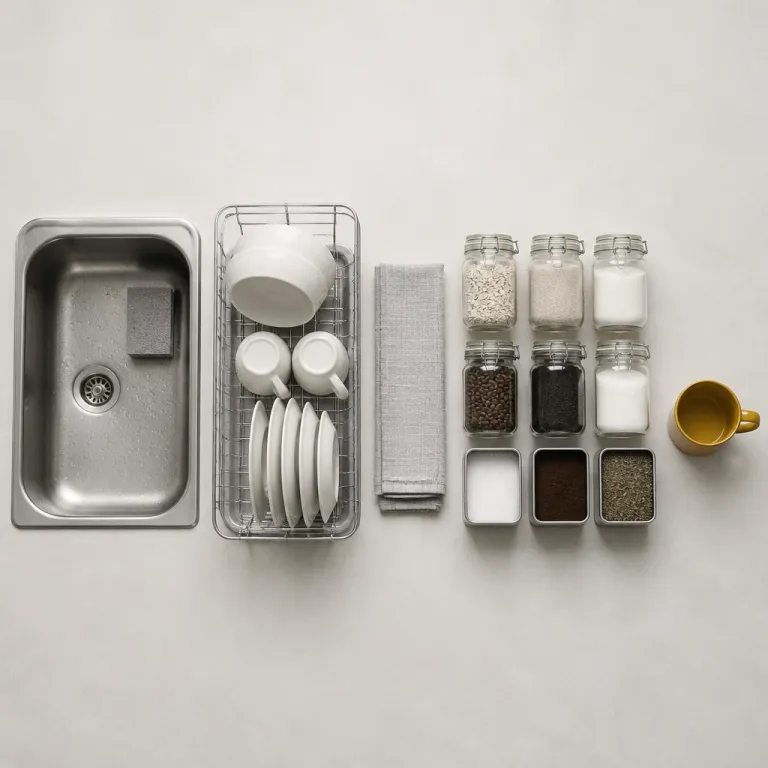
Why hostel kitchen etiquette defines your stay
A well run hostel kitchen quietly decides whether your stay feels effortless. In premium hostels where people expect both character and comfort, the way guests handle food and shared space matters as much as thread count. When you understand refined hostel kitchen etiquette, you move through the room like part of the équipe, not an intruder with a saucepan.
Design driven hostels now treat their communal kitchens as social hubs where food travel stories, recipes and future plans are traded over simmering pots. For a savvy backpacker who values good lighting and thoughtful interiors as much as a fair dorm rate, the kitchen is where you test whether the property truly understands people. The best cooking hostels treat the shared kitchen as a lounge with knives, not a basement afterthought beside the laundry room.
Behind the scenes, hostel staff invest serious time in keeping every hostel fridge, sink and counter ready for the next wave of guests. They track how food moves through the space, from raw meat to free pasta, to prevent food safety issues that could ruin a trip. When you respect hostel etiquette in the kitchen, you reward that invisible work and help maintain a calm rhythm between dorm rooms, private room corridors and the clink of plates at the sink.
The fridge rules: labels, shelves and the art of leaving no trace
The hostel fridge is where good intentions go to spoil if nobody follows the rules. In well run hostels, each hostel kitchen assigns shelves or baskets so people can keep food organised by dorm or room number. When you arrive, place your ingredients in plastic bags or reusable containers, then label them clearly with your name, dorm room and departure time.
Data from internal operations reviews at several premium hostels shows that clearly labelled food cuts reported incidents of food theft significantly over a season. For example, one anonymised review across three European properties (around 1,200 guests over six months) found that complaints about missing items dropped by roughly a third after labels became mandatory. That is why one expert guideline states without ambiguity: “Label your food clearly with name and date.” In a busy shared kitchen, this simple act tells other people that your food is not part of the free shelf and helps staff know what to remove when you check out.
High end cooking hostels often reserve one section of the hostel fridge for communal items such as oil, salt and leftover vegetables. Use that free shelf generously, but do not leave mystery containers or raw meat there, because staff cannot judge food safety at a glance. When you are staying in a hostel for more than a few nights, build a habit: keep your shelf tidy, don’t leave spills, and always clear everything before your final morning coffee.
For travelers comparing premium properties in major cities, the way a hostel manages its fridge and shared kitchen often signals overall standards. If you are planning a refined yet social stay in the Pacific Northwest, look at this guide to elegant hostels in Seattle for a premium yet social stay. You will notice that the best addresses highlight their hostel kitchens and food travel culture as proudly as their rooftop views.
Peak hour strategy: timing your cooking in shared space
Between 19:00 and 20:00, almost every hostel kitchen in the world feels like a small airport. People return from day long travel, open the hostel fridge and start negotiating burners, chopping boards and elbow room. If you want a calmer experience, plan your cooking time either before 18:30 or after 20:30, when the shared kitchen breathes again.
Luxury leaning hostels sometimes experiment with informal cooking schedules or sign up boards to smooth the flow. This kind of innovation respects both the guests who like to cook and those who prefer a quiet room and a quick snack. When you see such a system, use it; it shows the hostel takes kitchen etiquette seriously and expects you to do the same.
On nights when you must cook during peak time, arrive prepared and move with purpose. Bring everything from your dorm room in one trip, so you do not block space while hunting for plastic bags or spices. A simple 30 minute plan helps: five minutes to claim a spot and unpack, fifteen minutes to cook, five minutes to eat a first portion and five minutes to wash, dry and put away your dishes. If you are working with raw meat, claim a corner, keep it scrupulously clean and tell nearby people what you are doing, because food safety is a shared responsibility in cooking hostels.
Some of the most interesting properties never win mainstream awards, partly because their strengths live in places like the kitchen rather than the lobby. For a deeper look at how such hostels are evaluated, read this analysis of why hostel awards keep missing the most interesting properties. You will see how a well managed hostel kitchen can be a quiet marker of excellence that seasoned travelers notice immediately.
Cleaning protocol: from sink habits to raw meat discipline
The fastest way to lose respect in any hostel kitchen is to walk away from a dirty pan. In premium hostels where the design feels almost hotel level, people still expect you to wash, dry and put away everything immediately after cooking. Leaving dishes to “soak” in a shared sink is not clever; it is a signal that you assume hostel staff will clean up after you.
Good hostel etiquette starts while you cook, not after you eat your food. Wipe boards between tasks, keep knives away from the edge and use separate tools for raw meat to protect food safety for everyone. If you spill oil or sauce on the stove, clean it before the next person will cook, because nobody wants to fry vegetables in someone else’s mess.
Hostel teams usually provide basic cleaning supplies, but a truly savvy backpacker carries a small cloth and a few biodegradable wipes. These weigh almost nothing in your bag yet transform how you move through hostel kitchens, dorm rooms and even the occasional private room kitchenette. When you see someone forget the rules and leave a mess behind, the recommended approach is simple: “Politely remind them to clean up.”
Remember that staff are partners, not invisible cleaners, in maintaining a refined shared kitchen. They already invest time to keep counters, the hostel fridge and the cooking area ready for the next wave of food experiments. When guests match that effort, the whole hostel feels calmer, and your own stay becomes easier, cheaper and more pleasant.
What to bring, what to share and how to socialise over food
Even in luxury oriented hostels, the kitchen rarely includes every tool you might want for ambitious cooking. Expect a basic set of pots, pans and utensils, then bring small personal items such as a favourite knife, a clip for plastic bags and a compact spice kit if food travel is central to your plans. These details let you cook well in any shared kitchen without taking over the entire space.
Most hostel kitchens maintain a clearly marked shelf or box for free food, where departing guests leave pasta, rice or unopened sauces. You are welcome to cook with these ingredients, but never assume that unlabelled items in the main hostel fridge are communal, because that is how food disputes begin. When in doubt, ask the person nearby or a member of staff before you reach for that tempting jar of pesto.
Sharing is where hostel cooking becomes more than a way to save money. Offer a spare portion to the person chopping vegetables beside you, or trade spices with someone preparing raw meat for a regional dish, and you will often gain a new friend faster than any app could manage. In mixed dorm rooms, keep the late night feast in the kitchen rather than the dorm, so people who want to sleep can enjoy their room without the smell of garlic at midnight.
Some travelers prefer a private room but still rely on the hostel kitchen to keep costs down and meet others. For them, the balance between quiet personal space and lively shared space is crucial when choosing where they will stay. If that sounds like you, this guide to refined luxury hostel booking explains how to read between the lines of listings and identify properties where the kitchen is genuinely social, not just a microwave beside reception.
Cultural nuances, dorm life and the quiet power of respect
Shared kitchens bring together people from dozens of countries, each with their own cooking habits and comfort levels. Strong smells that feel like home to you may overwhelm someone from another culture, especially in compact hostels where the kitchen sits close to the nearest dorm. When you plan to cook intensely aromatic food, choose a time when windows can stay open and the room is not crowded.
Alcohol in a hostel kitchen can be a pleasant social lubricant or a fast route to tension. Many premium hostels allow guests to enjoy a drink while they cook, but they expect you to keep the space civil, the counters clean and the volume low enough that dorm rooms remain restful. If you want a louder night, move to the bar or common room and leave the shared kitchen for people who are actually cooking.
Behind the scenes, hostel staff quietly mediate conflicts about fridge space, noise and food that migrates from shelf to shelf. They know that when guests respect kitchen etiquette, they are more likely to respect dorm etiquette, from using headphones to keeping plastic bags from rustling at 05:00. The same mindset that keeps a hostel kitchen orderly also keeps a dorm room peaceful, and that is the real luxury in any price bracket.
Statistics that shape modern hostel kitchen etiquette
- Roughly 65% of hostel guests now prefer self catering options, according to the Hostelworld “Evolution of the Hostel Traveler” trends survey from 2019, which makes the quality of each hostel kitchen a decisive factor for many bookings.
- Internal complaint logs from several properties indicate that around 20% of guest issues about kitchens involve some form of food theft, which reinforces the need for clear labelling on every hostel fridge shelf.
- Tracking by upscale hostels shows that communal cooking events and shared meals consistently increase guest satisfaction scores, especially among solo travelers who value people focused spaces.
- Properties that implement simple kitchen booking systems during peak hours report smoother use of shared space and fewer conflicts about cooking time or access to equipment.
FAQ about hostel kitchen etiquette
How can I prevent food theft in a hostel kitchen ?
The most effective step is to label every item with your name, dorm room and departure date before placing it in the hostel fridge. A clear example is: “Alex – Dorm 4B – Checkout 12/07.” Store food in sealed plastic bags or containers so it is clearly separate from the free shelf. When possible, buy smaller quantities so you do not leave tempting leftovers behind during a long stay.
What should I do if someone leaves a mess in the shared kitchen ?
If you feel comfortable, follow the recommended approach: “Politely remind them to clean up.” Many people simply lose track of time while cooking and will respond well to a calm request. If the mess is serious or involves raw meat and food safety concerns, inform hostel staff so they can handle it without escalating tension between guests.
Can I use other guests’ condiments or ingredients ?
You should only use items that are clearly placed on the communal or free shelf and marked as shared. Anything stored in a labelled container or on a specific dorm shelf in the hostel fridge belongs to that person, even if it looks like a small amount. When in doubt, ask the nearest guest or a staff member before you cook with something that is not yours.
Is it acceptable to cook strong smelling food in hostel kitchens ?
It is usually allowed, but you need to manage timing and ventilation carefully. Choose a quieter time of day, open windows or use the extractor fan, and keep the door to nearby dorm rooms closed so the smell does not linger where people sleep. If the hostel has posted rules against certain dishes, respect them and adapt your menu for that stay.
What should I bring if I plan to cook often while staying in hostels ?
Pack a light kit that works in most hostel kitchens: a small sharp knife with a cover, a reusable container, clips for plastic bags and a compact spice mix. These items help you cook efficiently without taking over limited shared space or relying entirely on basic hostel equipment. Add a cloth or a few biodegradable wipes so you can leave every kitchen as clean as you found it, which is the essence of good hostel etiquette.