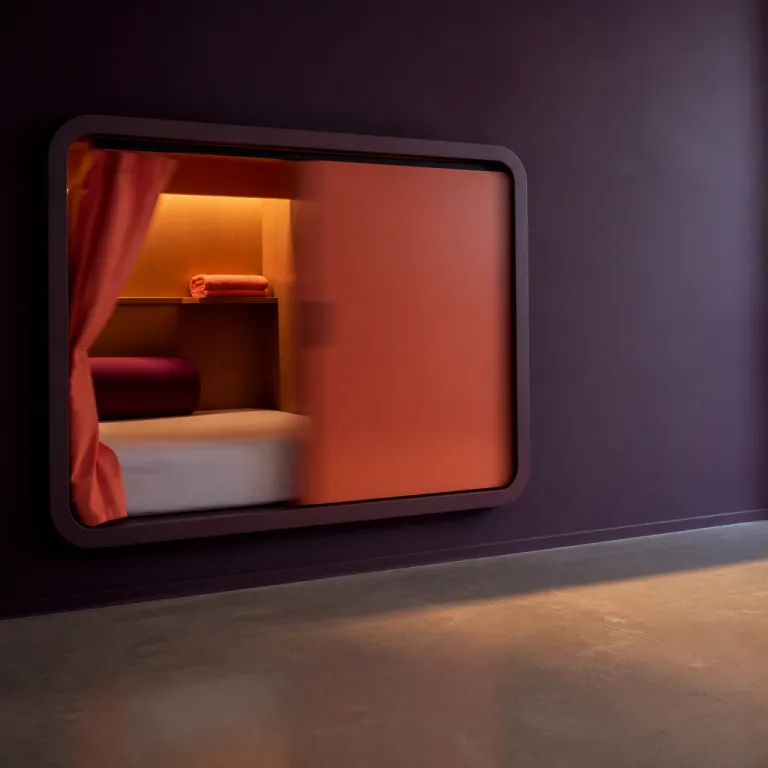
From capsule hotel to family friendly pod hostel room
The story of hostel pod bed design capsule innovation begins in Japan, inside the first compact capsule hotel corridors. What started as a pragmatic way to stack a high number of beds in a limited floorplan has evolved into a refined bed capsule concept that now shapes premium hostels worldwide. For families used to a traditional hotel bed in a private room, this shift can feel radical yet surprisingly comfortable.
In a classic capsule hotel, each capsule bed is a self contained sleeping shell, usually arranged in two levels like a discreet bunk bed with a strict, almost industrial layout. These early capsule beds focused on efficiency rather than a beautiful bed aesthetic, prioritizing the number of beds over generous furniture or playful design details. Today’s pod hostels reinterpret that place of origin, softening the capsule form with warmer materials, better sound insulation, and thoughtful lighting that supports deeper bed sleep for both solo travelers and parents sharing a pod hostel dorm with children.
The best hostel hotel hybrids now treat each bed capsule as a micro hotel room, with its own light, shelf, and power points. In premium hostels, pod hostels often sit alongside private rooms and family rooms, giving guests a choice between social dorm energy and more contained sleep spaces. For a family comparing hostels and hotels, this hostel pod bed design capsule approach can deliver hotel level comfort at a hostel price, especially when the pod layout is carefully installed and maintained under strict quality control standards.
The anatomy of a well designed pod bed for real sleep
A strong hostel pod bed design capsule starts with the shell itself, which can be either a fully enclosed pod with a sliding door or a semi open bed capsule with a heavy curtain. Doors provide better sound insulation against ambient noise in busy hostel rooms, while curtains feel softer and less claustrophobic for younger guests who may be new to shared rooms. For families, the sweet spot is often a pod with a solid frame and a thick curtain that closes fully but still lets parents hear children if they stir at night.
Inside the capsule bed, the layout matters as much as the mattress, because poor furniture placement can turn even a beautiful bed into a frustrating product. Look for pods where the reading light is installed on the wall opposite your pillow, with a dimmer that allows you to support your own circadian rhythm without flooding the room with glare. The most family friendly pod hostels also position USB ports and outlets high enough that small children cannot easily reach them, while still keeping phones and tablets within arm’s length on a narrow shelf for safe bed sleep.
Ventilation is another non negotiable feature in any pod hostel, especially when the number of beds per room climbs above eight. A good hostel hotel will specify a clear model number and airflow rate for the ventilation products used inside each pod, then test them under real occupancy conditions. When you read a property review or a detailed guide to shared sky level spaces such as how rooftop areas redefine the hostel experience, pay attention to whether the same care is applied to the hidden systems that keep pods cool, quiet, and genuinely restful.
How pods changed the dorm: privacy, layout and family comfort
Traditional hostel dorms relied on the open bunk bed, with metal frames lined up in rows and little more than a thin curtain or nothing at all between beds. That layout made it easy to count the number of beds and maximize revenue, but it left guests exposed to every flicked light switch and every rustle of a backpack. For parents, the idea of children sleeping in such an open room often felt incompatible with the privacy and control they expected from a hotel bed in a standard hotel room.
The arrival of the hostel pod bed design capsule changed that calculus, because eight pods can feel more private than four open bunks when each bed capsule functions like a tiny apartment bedroom. Perceived privacy matters as much as square meters, and a well designed pod hostel uses furniture, partitions, and careful circulation routes to separate sleep zones from social zones. Research into neuro aesthetic interiors shows that soft curves, acoustic dampening, and hushed color palettes can lower cortisol levels, and many premium hostels now apply these principles directly to pod products so that even shared rooms feel calmer for families.
Invisible technology also plays a role, with some capsule beds integrating circadian lighting systems that shift color temperature through the day to support better sleep. This kind of bed product blurs the line between capsule hotel innovation and upscale hostel hotel comfort, especially when paired with strict quality control on mattresses and linens. If you are weighing whether to book a pod or a neighboring private room, it is worth reading in depth analyses such as the case against the classic dorm bed, then comparing how each property balances privacy, social energy, and family friendly design.
Sound, space and the quiet science of pod insulation
Noise is the most underestimated factor in any hostel pod bed design capsule, especially when you travel with children who need predictable sleep. Solid walled pods with doors offer the strongest barrier against ambient noise, but they can also trap heat and stale air if ventilation is not carefully installed. Curtain based capsule beds breathe more easily and feel less like a capsule hotel, yet they rely on the overall room layout and respectful guests to keep sound levels low.
Premium pod hostels now treat sound insulation as a core product feature rather than an afterthought, testing different materials and panel thicknesses to find a balance between quiet and airflow. Some properties line the interior of each bed capsule with acoustic panels, while others focus on the wider hostel rooms by adding carpets, soft furniture, and padded headboards to absorb footsteps and zippers. For families, this means that a pod hostel can sometimes deliver a better night of bed sleep than a budget hotel, provided that the hostel hotel team has invested in both physical materials and clear quiet hour policies.
When you evaluate a property online, look for specific mentions of sound insulation, not just vague promises of a peaceful room. Reviews that reference reduced ambient noise, stable temperatures, and comfortable mattresses usually indicate that the hostel has taken quality control seriously across all products, from the main bunk bed frames to the smallest capsule bed fittings. If a listing simply tells you to skip content and scroll past the details, treat that as a signal to keep searching for a pod hostel that respects your family’s need for rest.
Choosing the right pod hostel for a premium family stay
Selecting a hostel pod bed design capsule for a family trip starts with clarifying how you want to balance privacy, budget, and shared experiences. Some hostels cluster capsule beds in mixed dorms, while others offer women only rooms, family pods, or interconnected private rooms that share a small hallway. For parents, a mixed strategy often works best, booking a pod hostel dorm for older teenagers and a compact private room for younger children within the same hostel hotel building.
Look closely at floorplans and photos to understand the true layout of the rooms, including where the pods sit relative to bathrooms, stairwells, and common areas. A beautiful bed inside a capsule means little if the pod is installed next to a constantly banging door or a late night office corner where staff chat until dawn. Some of the most thoughtful properties, such as coastal design forward hostels featured in guides to elevated coastal stays, show how pod hostels can integrate quiet sleep zones with vibrant shared terraces ; one example is highlighted in this review of a glamping style hostel in Sorrento.
Finally, consider how the hostel uses pods across different products, from standard dorms to upgraded capsule hotel style suites. Some properties experiment with hybrid layouts that combine a small number of capsule beds in a larger apartment style room, giving families semi private nooks within a shared space. Others keep pods only in larger hostels and reserve classic bunk bed frames for satellite locations, so always check the exact model number or bed product description before you book to ensure the number of beds, room type, and overall support level match your expectations.
FAQ
Are pod hostels suitable for families with young children ?
Pod hostels can work well for families when the pods are in smaller rooms, ideally with four to eight capsule beds and clear quiet hours. Parents often prefer booking an entire room of pods so children sleep within reach while still enjoying individual bed capsules. Always confirm age policies, as some hostels restrict young children from mixed dorms but allow them in private pod rooms.
How does sleep quality in a pod compare to a standard hotel bed ?
Sleep quality in a well designed pod can rival a mid range hotel bed, especially when the mattress, linens, and sound insulation are carefully chosen. Pods reduce visual distractions and ambient noise, which helps many guests fall asleep faster and stay asleep longer. However, airflow and temperature control vary by hostel, so reviews mentioning ventilation and comfort are particularly valuable.
Will I feel claustrophobic inside a capsule bed ?
Reactions to capsule beds differ, but many modern pods are taller and wider than early capsule hotel designs, with soft lighting and neutral colors that feel less confining. If you are concerned about claustrophobia, choose a pod with a curtain instead of a solid door and request a lower bunk level. Visiting the room before committing, when possible, can also help you gauge whether the space feels comfortable.
What should I check before booking a pod hostel for my trip ?
Before booking, review photos and floorplans to understand the layout of rooms, the number of beds per dorm, and the position of pods relative to bathrooms and common areas. Look for mentions of sound insulation, ventilation, and strict quality control on cleaning, especially if you travel with children. Clear information about private rooms, family policies, and storage options is another sign of a well managed pod hostel.
How do pod hostels handle luggage and storage safely ?
Most pod hostels provide lockers or under bed storage for each capsule, sometimes with electronic locks linked to your room key. Families should confirm that there is enough secure space for multiple suitcases, strollers, or travel cribs before arrival. When storage is well designed and close to the pods, it reduces clutter in the room and keeps the sleep area calmer and safer for everyone.